
Welcome to the Archives of The Paul Rudolph Institute for Modern Architecture. The purpose of this online collection is to function as a tool for scholars, students, architects, preservationists, journalists and other interested parties. The archive consists of photographs, slides, articles and publications from Rudolph’s lifetime; physical drawings and models; personal photos and memorabilia; and contemporary photographs and articles.
Some of the materials are in the public domain, some are offered under Creative Commons, and some are owned by others, including the Paul Rudolph Estate. Please speak with a representative of The Paul Rudolph Institute for Modern Architecture before using any drawings or photos in the Archives. In all cases, the researcher shall determine how to appropriately publish or otherwise distribute the materials found in this collection, while maintaining appropriate protection of the applicable intellectual property rights.
In his will, Paul Rudolph gave his Architectural Archives (including drawings, plans, renderings, blueprints, models and other materials prepared in connection with his professional practice of architecture) to the Library of Congress Trust Fund following his death in 1997. A Stipulation of Settlement, signed on June 6, 2001 between the Paul Rudolph Estate and the Library of Congress Trust Fund, resulted in the transfer of those items to the Library of Congress among the Architectural Archives, that the Library of Congress determined suitable for its collections. The intellectual property rights of items transferred to the Library of Congress are in the public domain. The usage of the Paul M. Rudolph Archive at the Library of Congress and any intellectual property rights are governed by the Library of Congress Rights and Permissions.
However, the Library of Congress has not received the entirety of the Paul Rudolph architectural works, and therefore ownership and intellectual property rights of any materials that were not selected by the Library of Congress may not be in the public domain and may belong to the Paul Rudolph Estate.
LOCATION
Address: 25 Staniford Street
City: Boston
State: Massachusetts
Zip Code: 02114
Nation: United States
STATUS
Type: Government / Academic
Status: Project
TECHNICAL DATA
Date(s): 1985-1990
Site Area: 363,781 s.f.
Floor Area:
Height:
Floors (Above Ground):
Building Cost:
PROFESSIONAL TEAM
Client: Ed Logue (1921-2000); John P. Ryan (1929-2008)
Architect: Paul Rudolph (1918-1997)
Rudolph Staff: R.D. Chin
Associate Architect:
Landscape:
Structural:
MEP:
QS/PM:
SUPPLIERS
Contractor:
Subcontractor(s):
Boston Government Service Center Addition
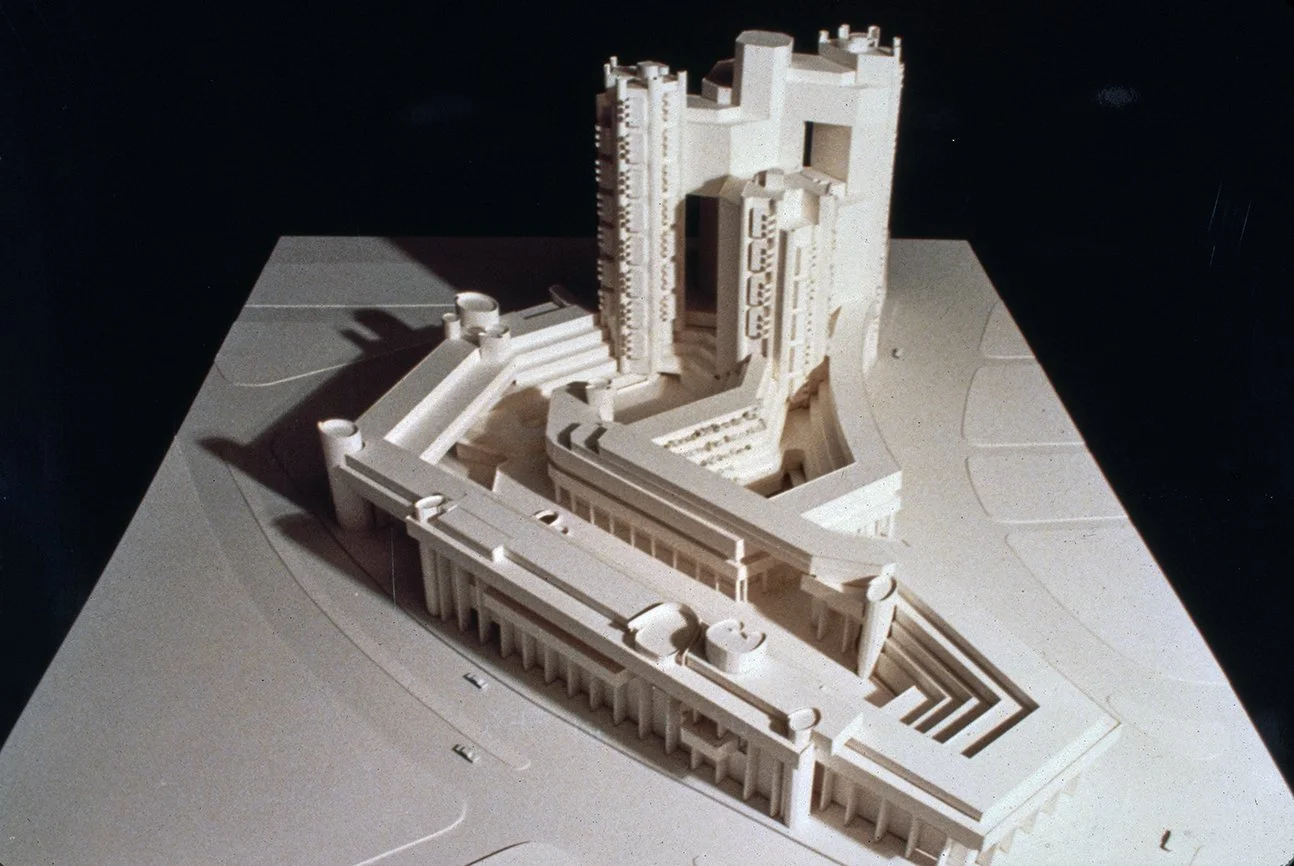
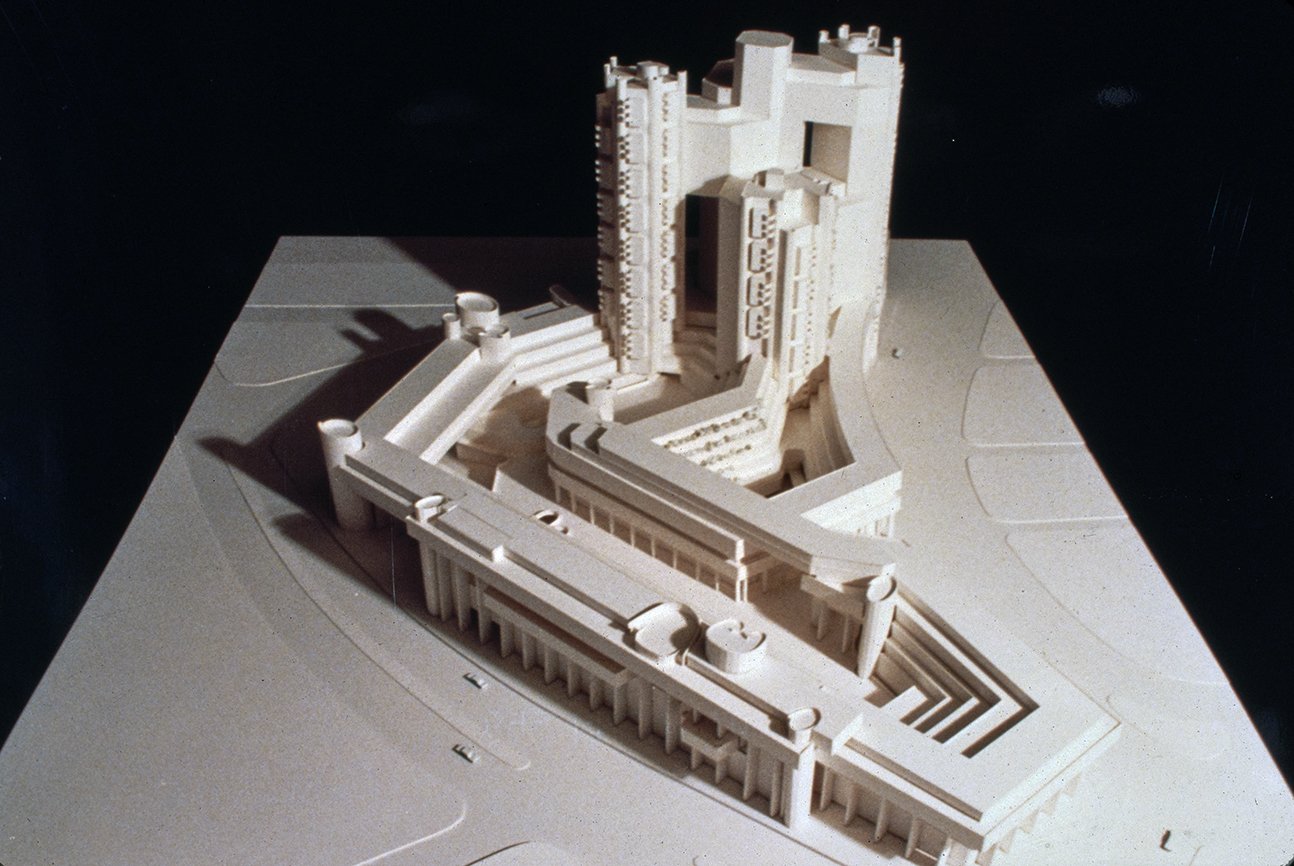
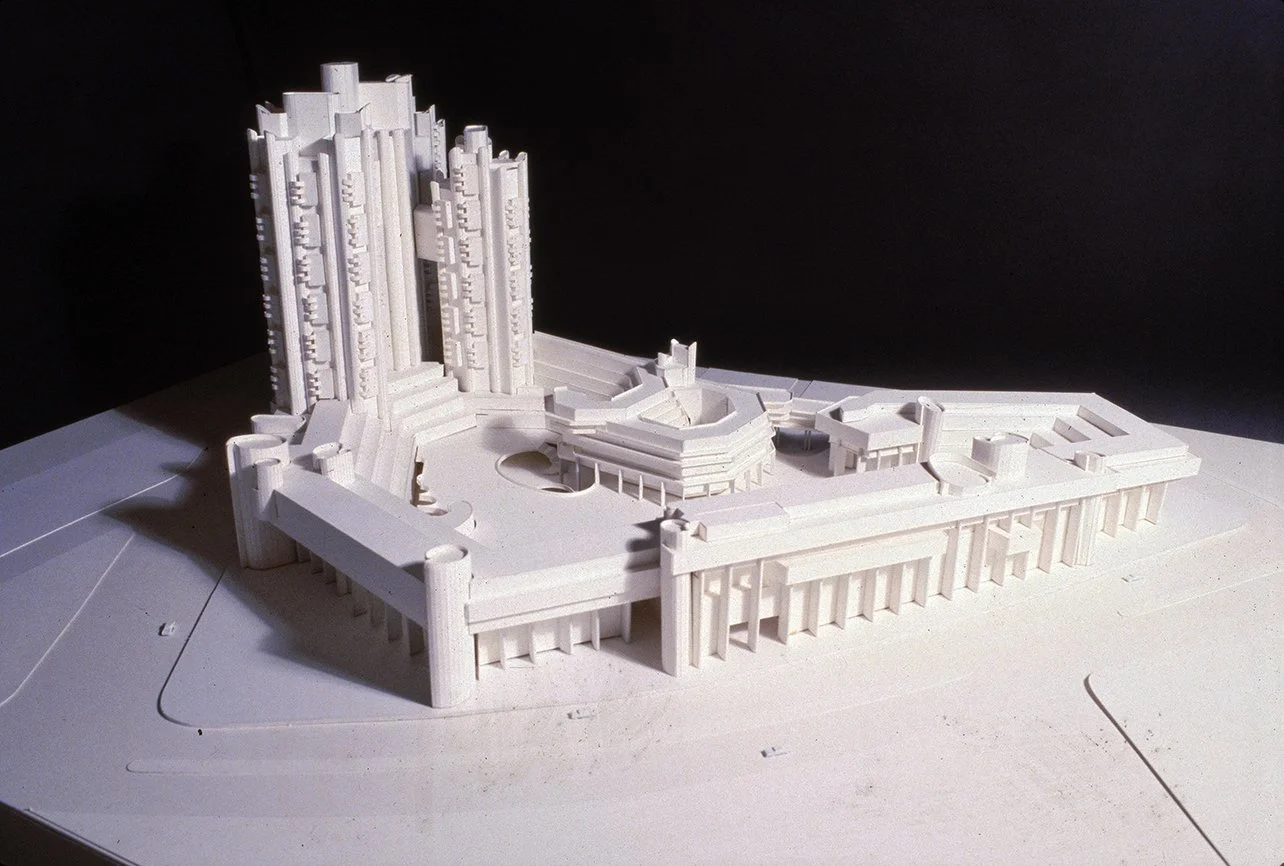
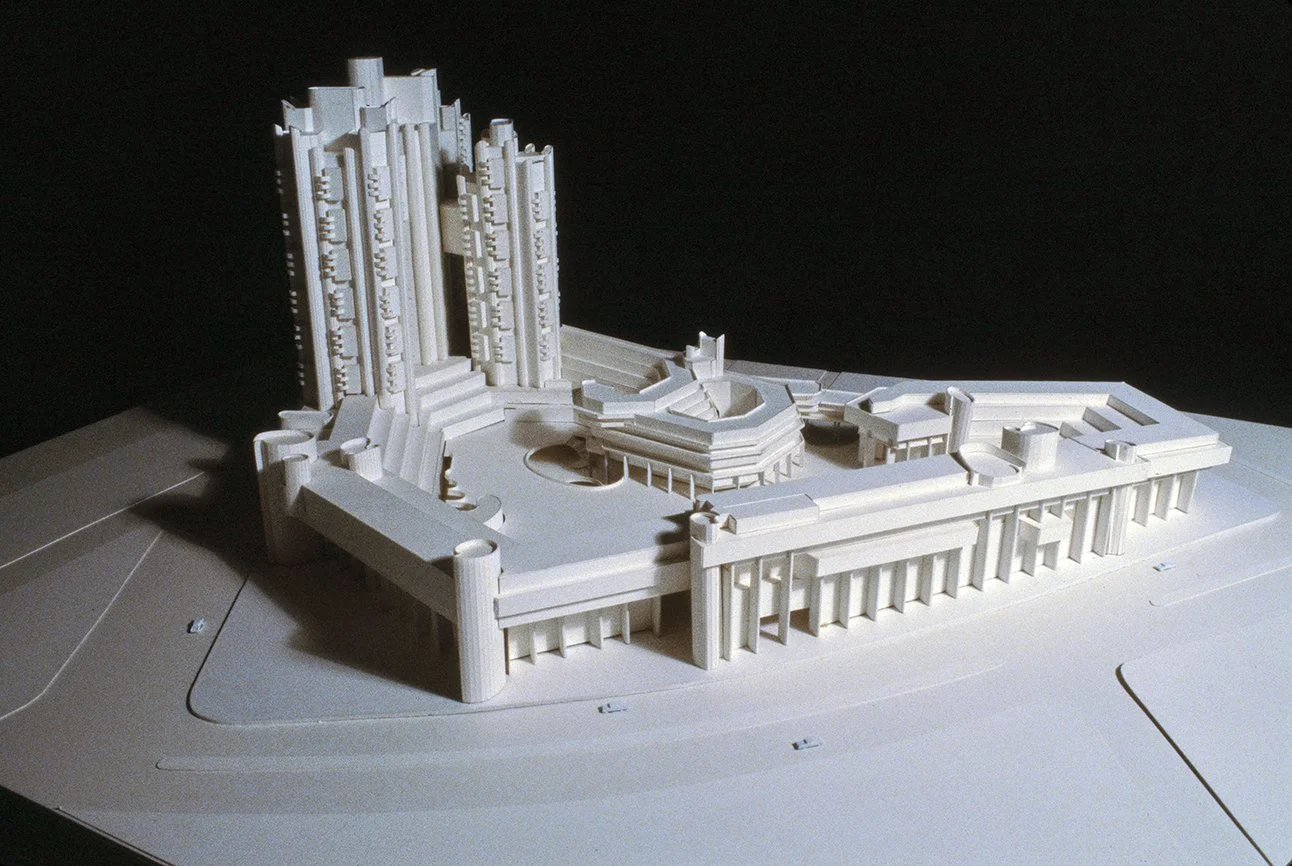
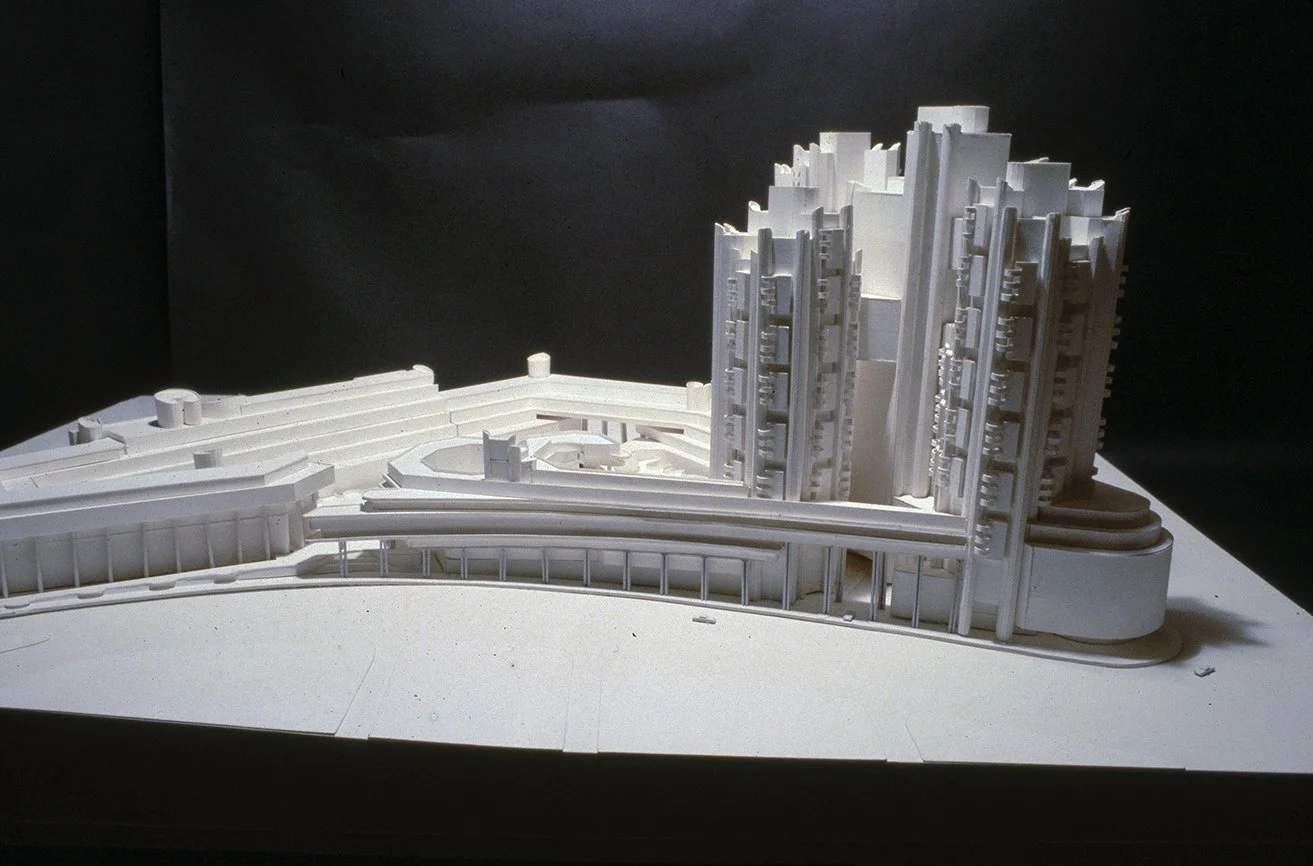
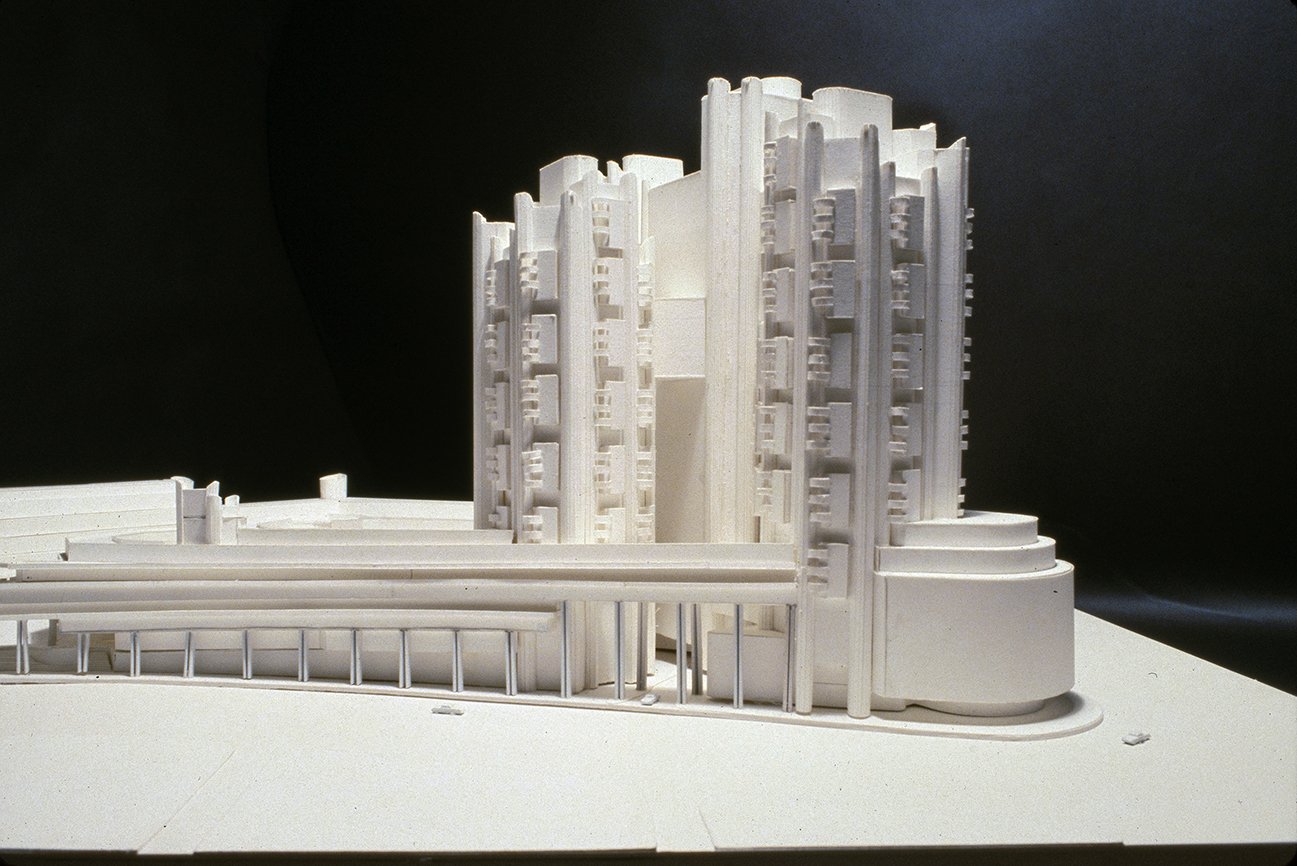
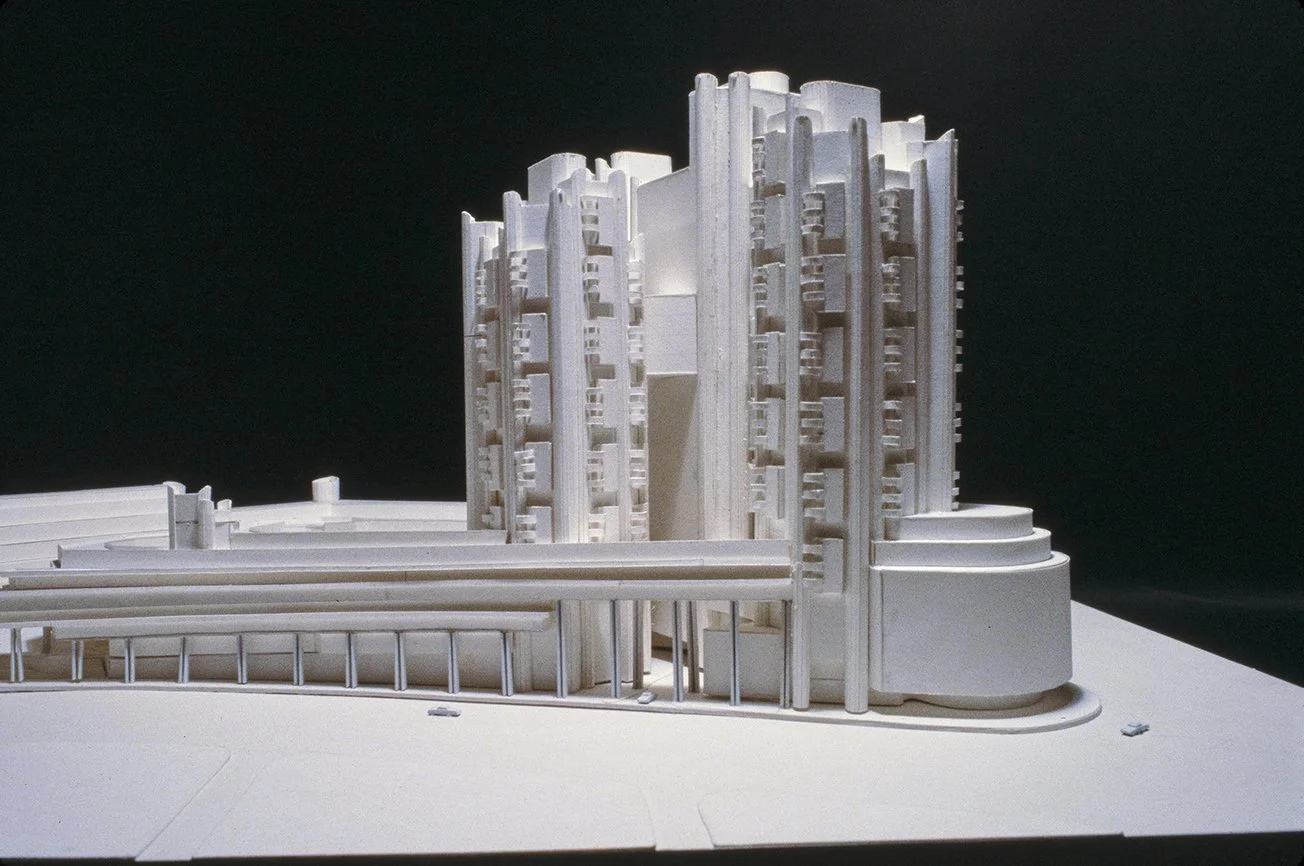
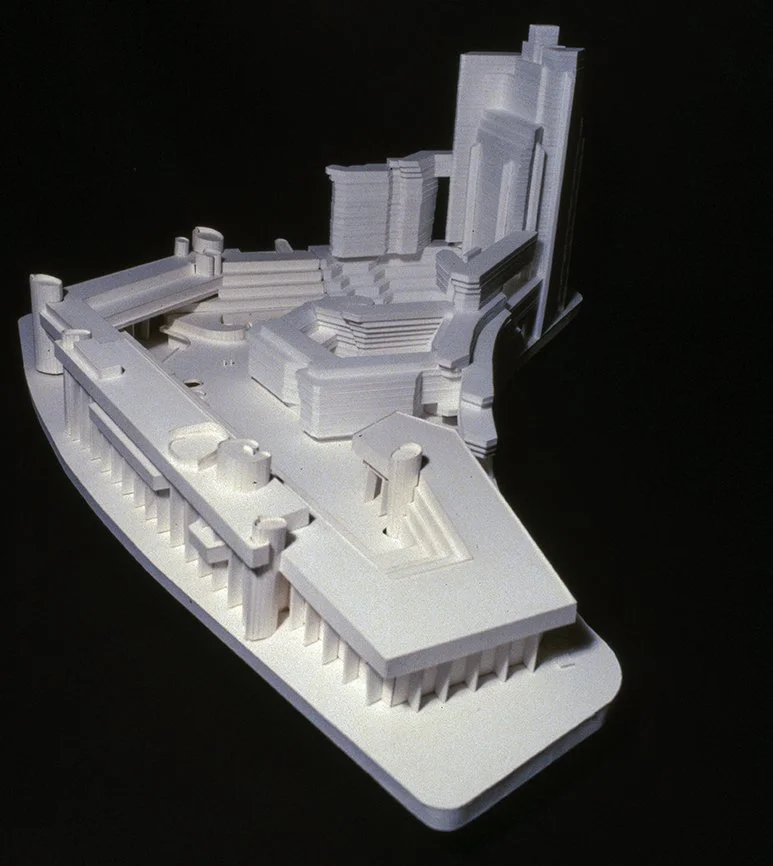
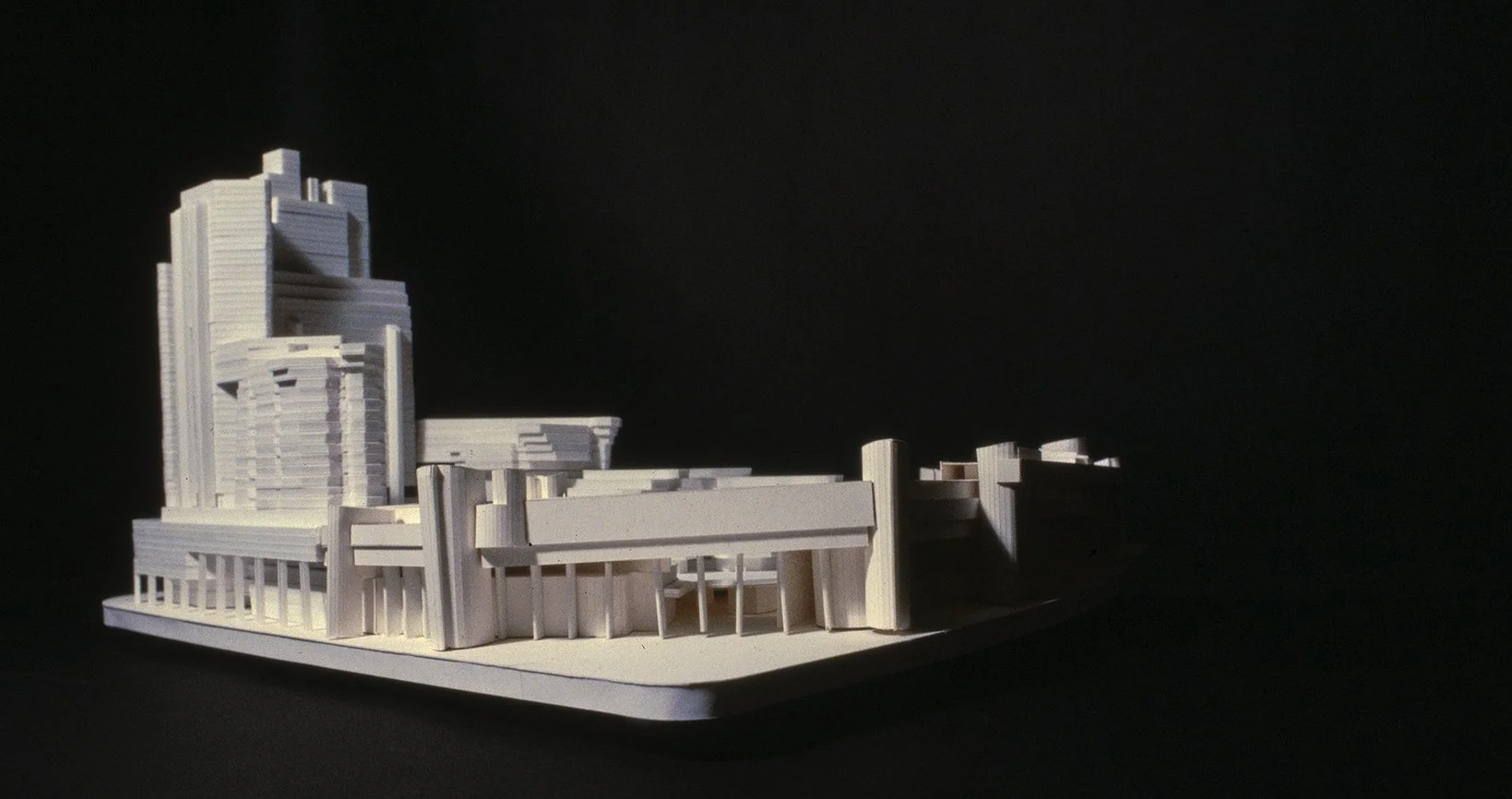
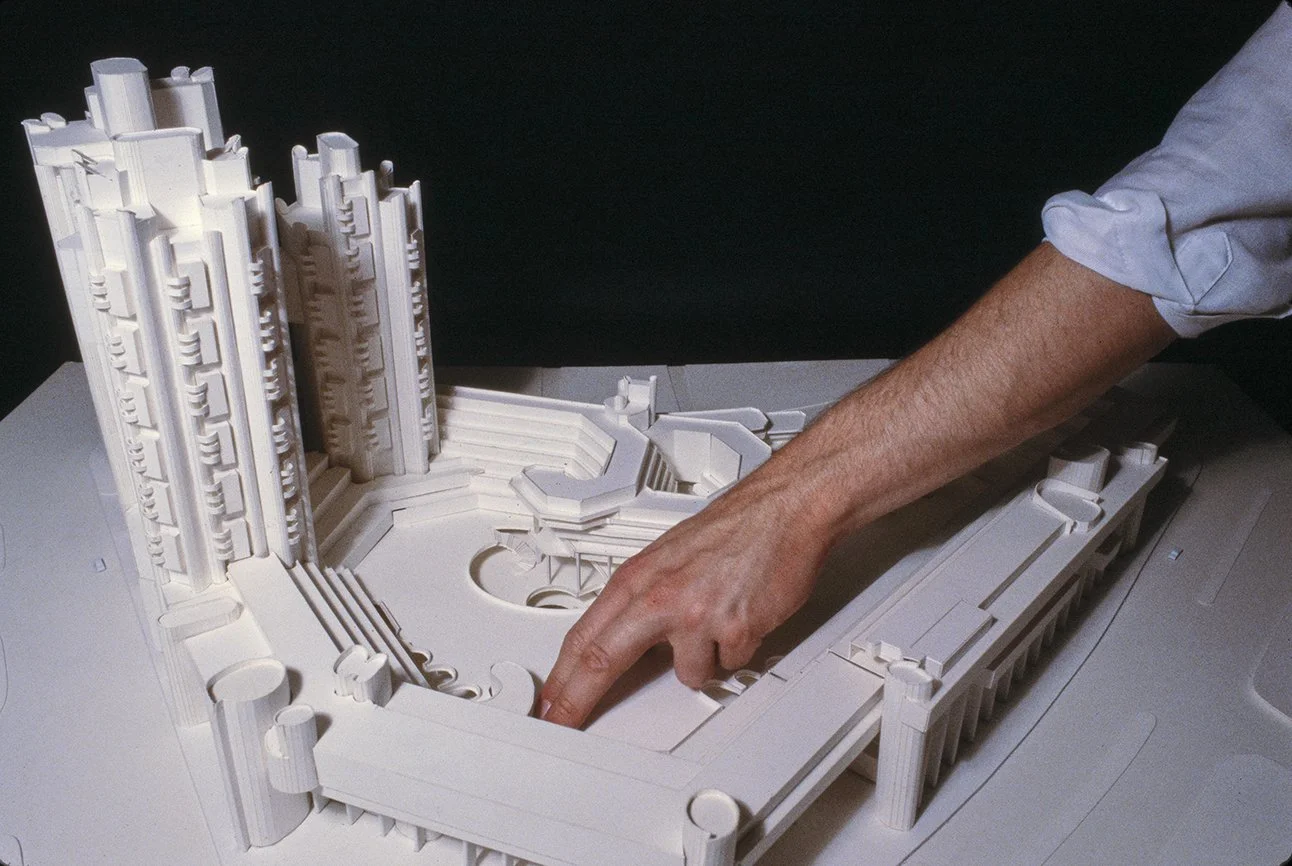
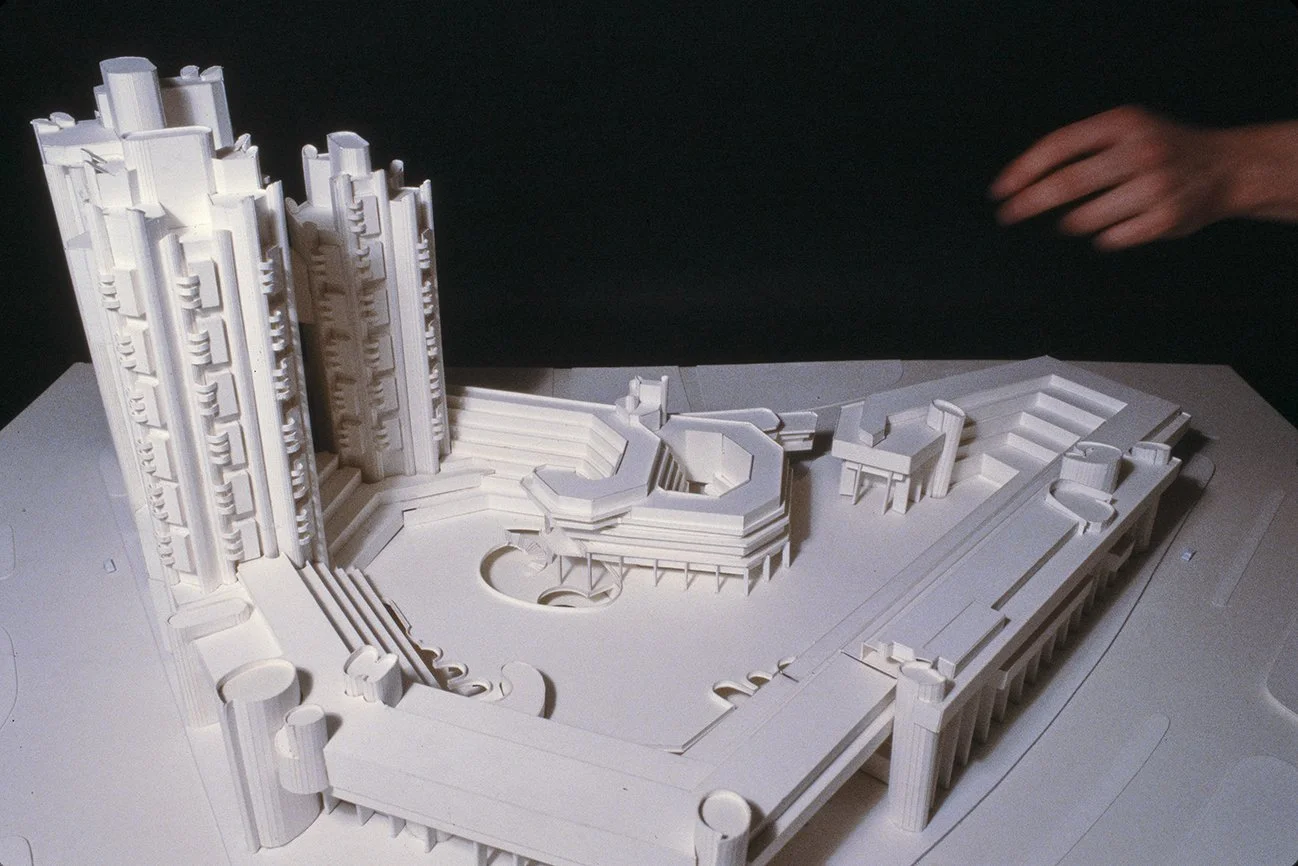
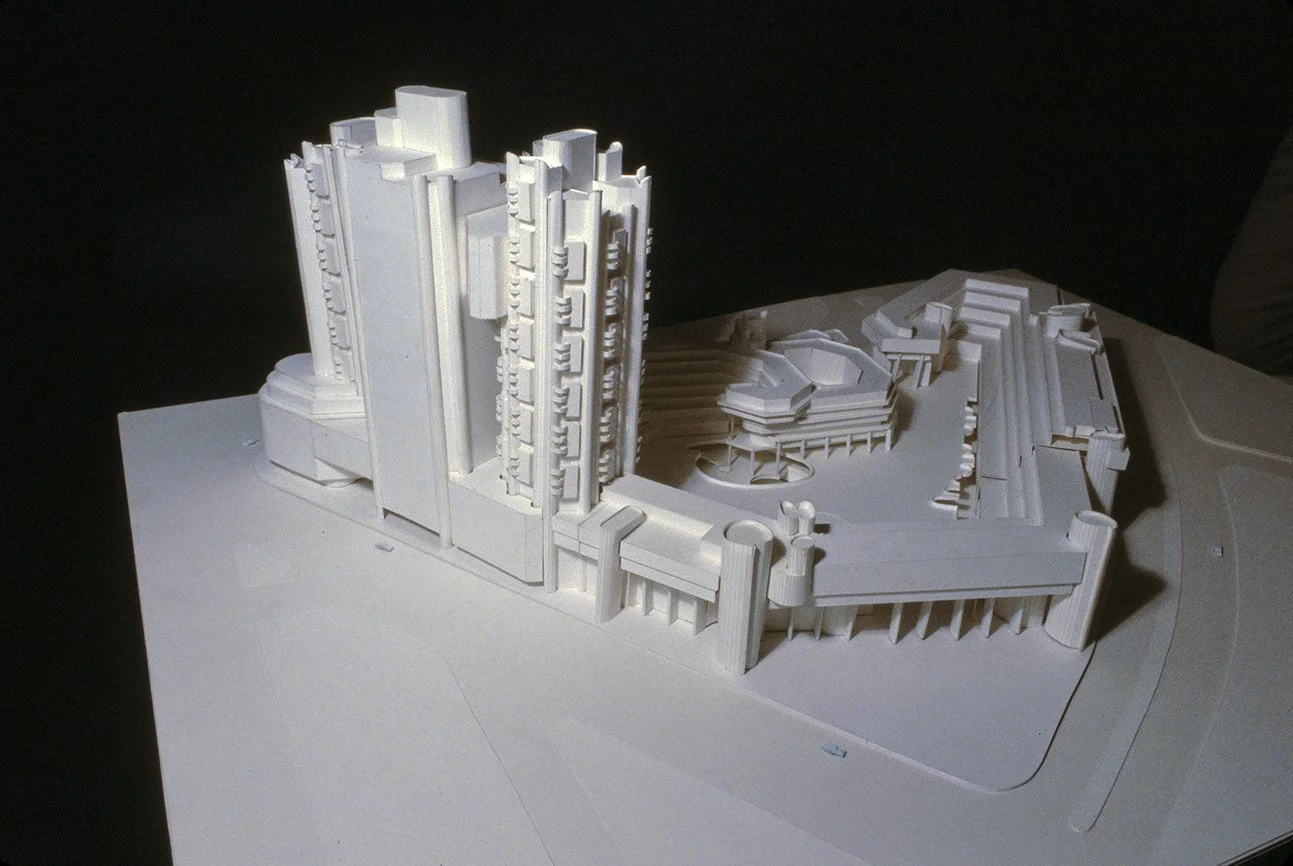
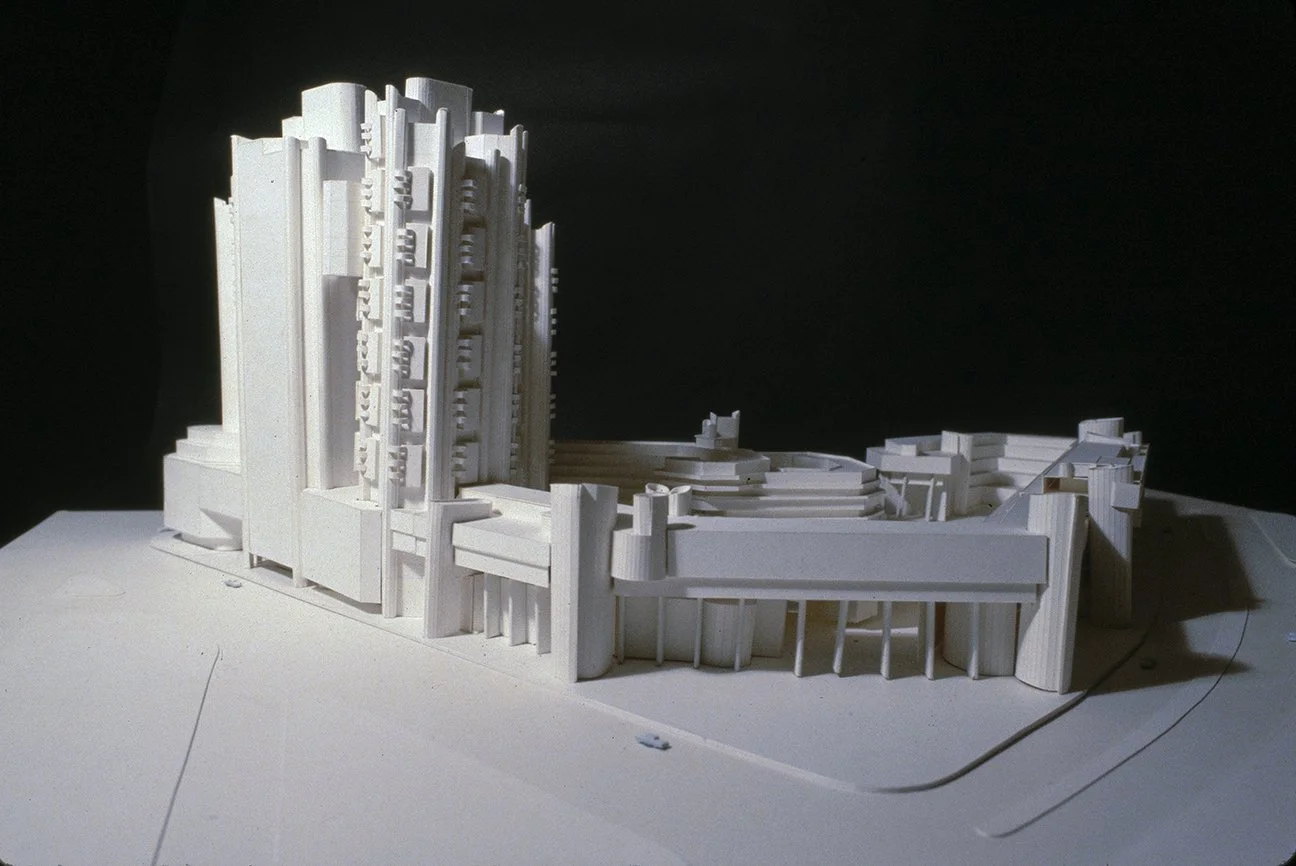
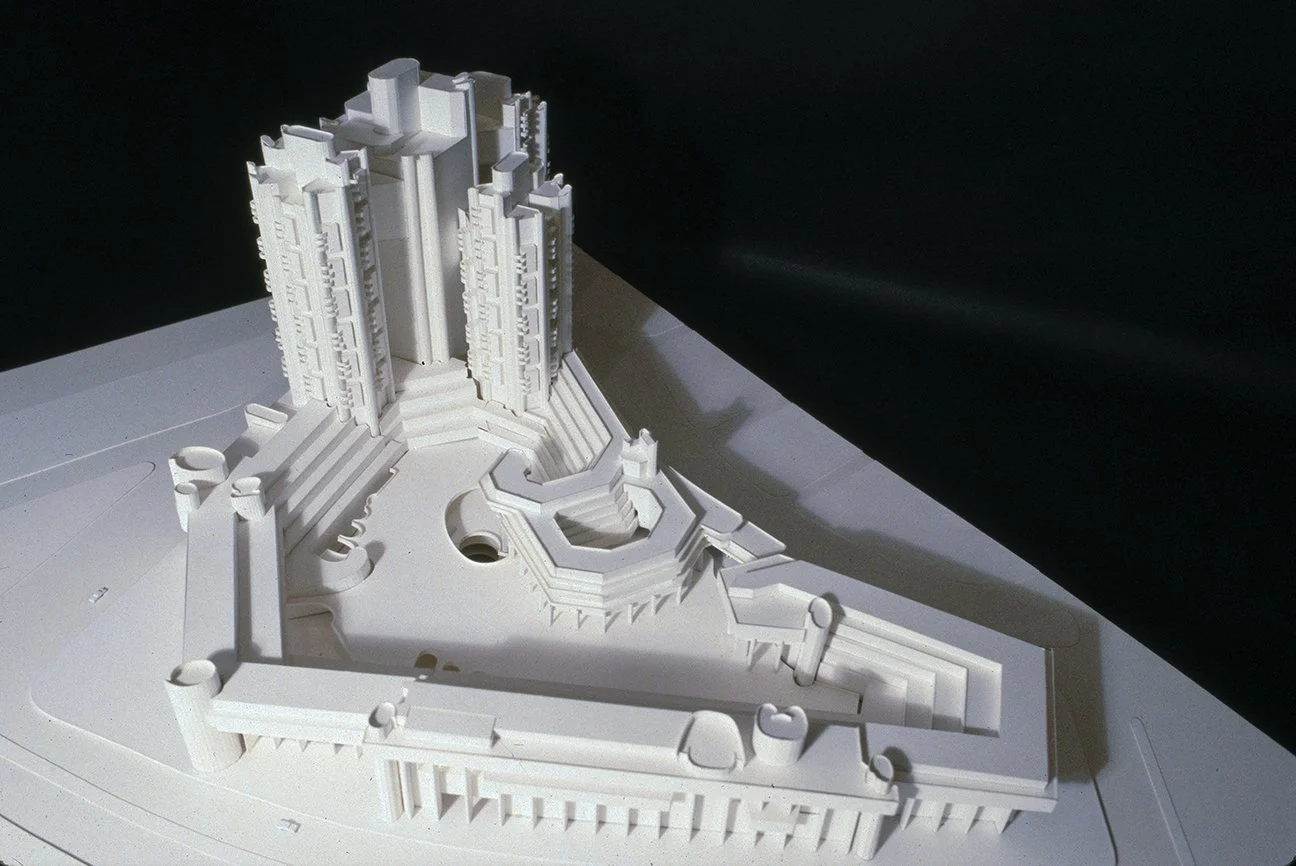
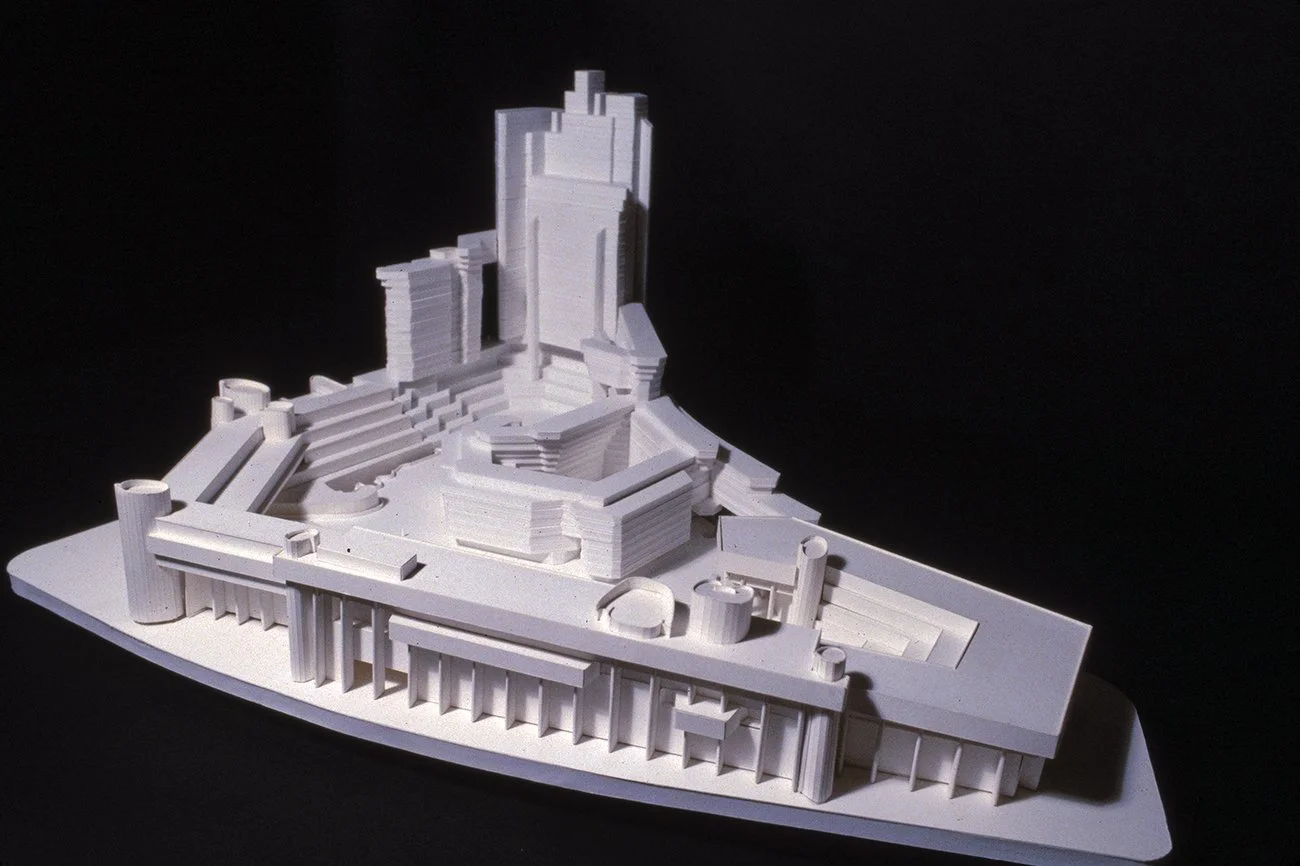
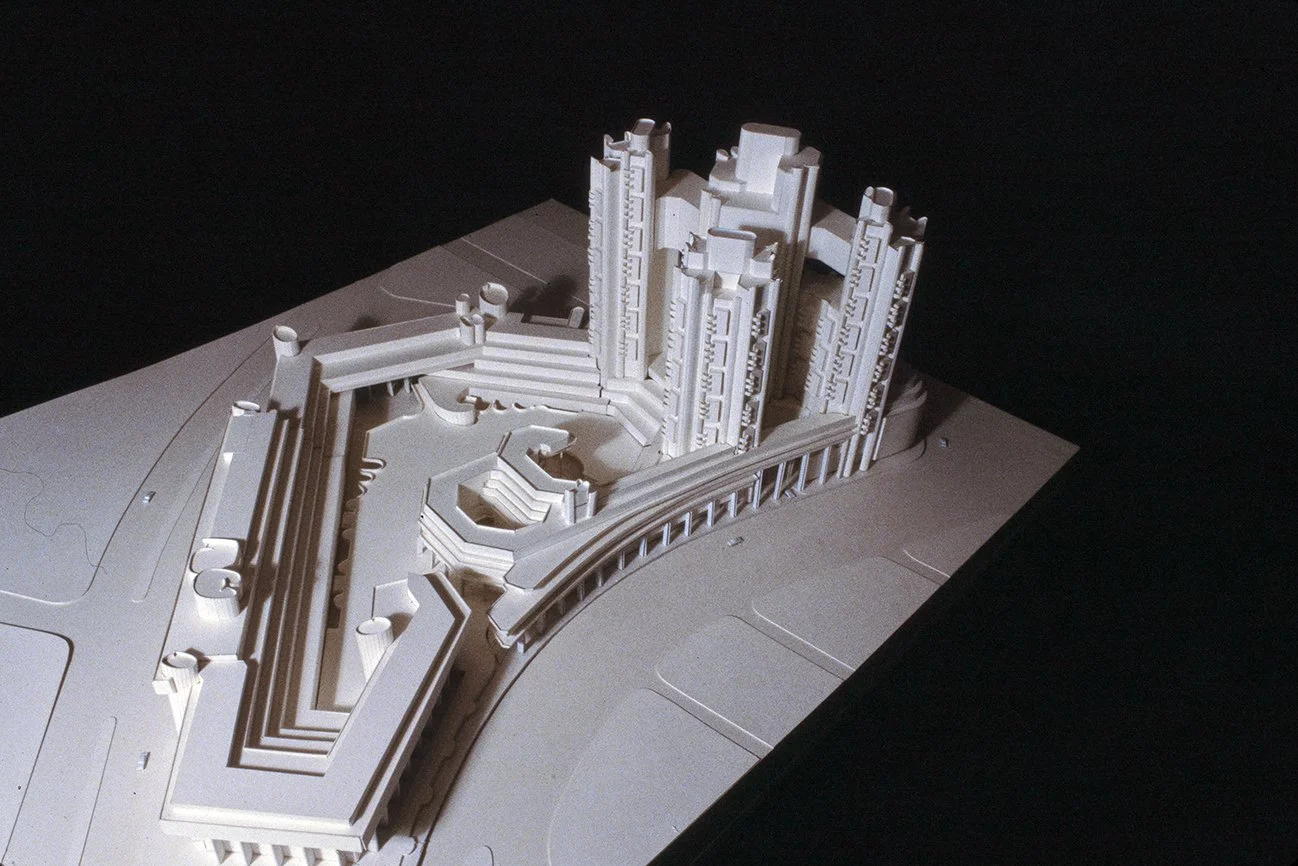
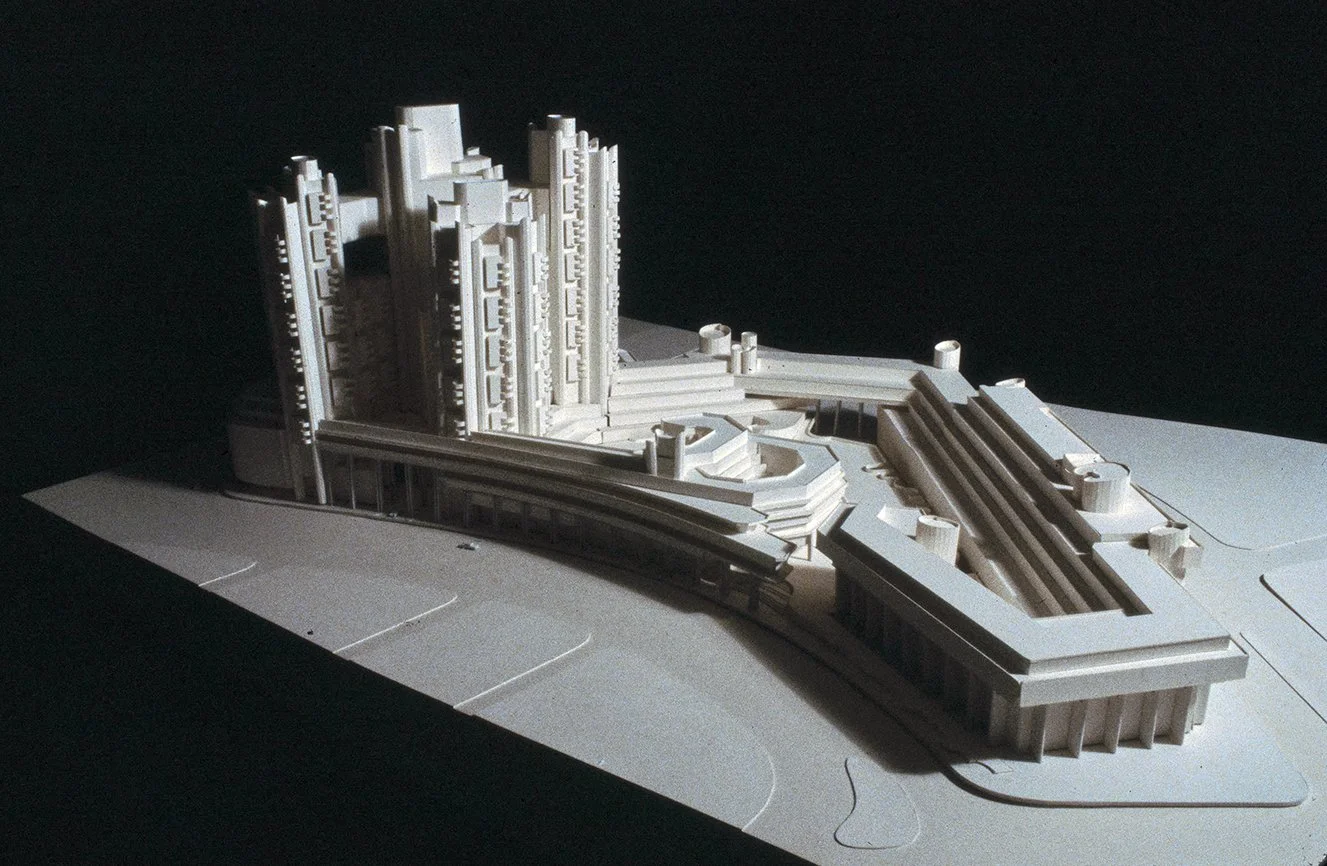
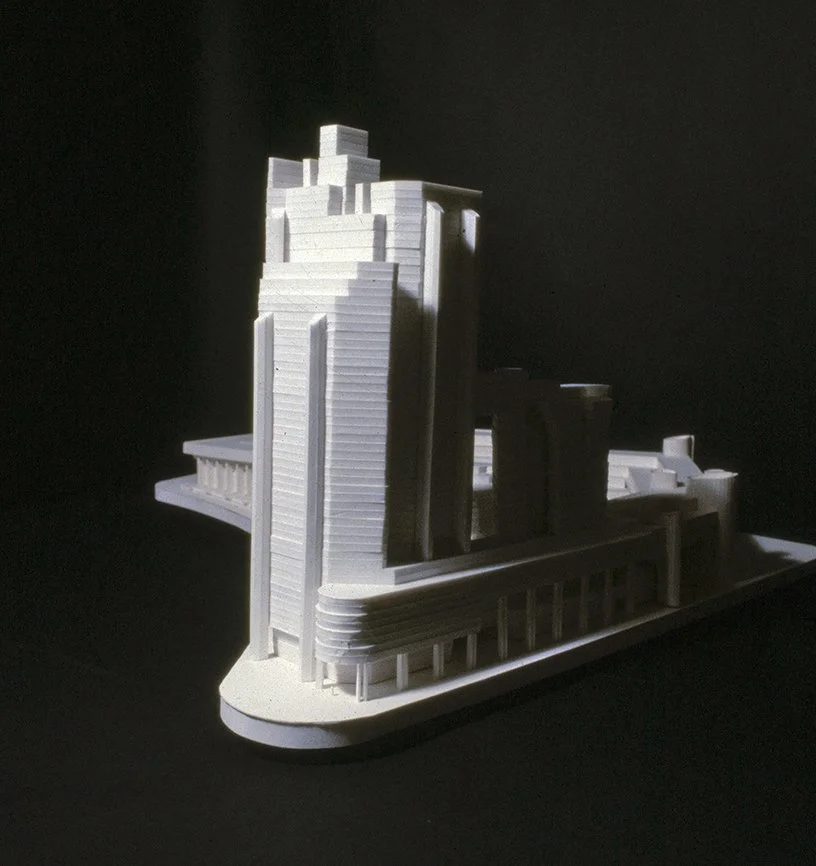
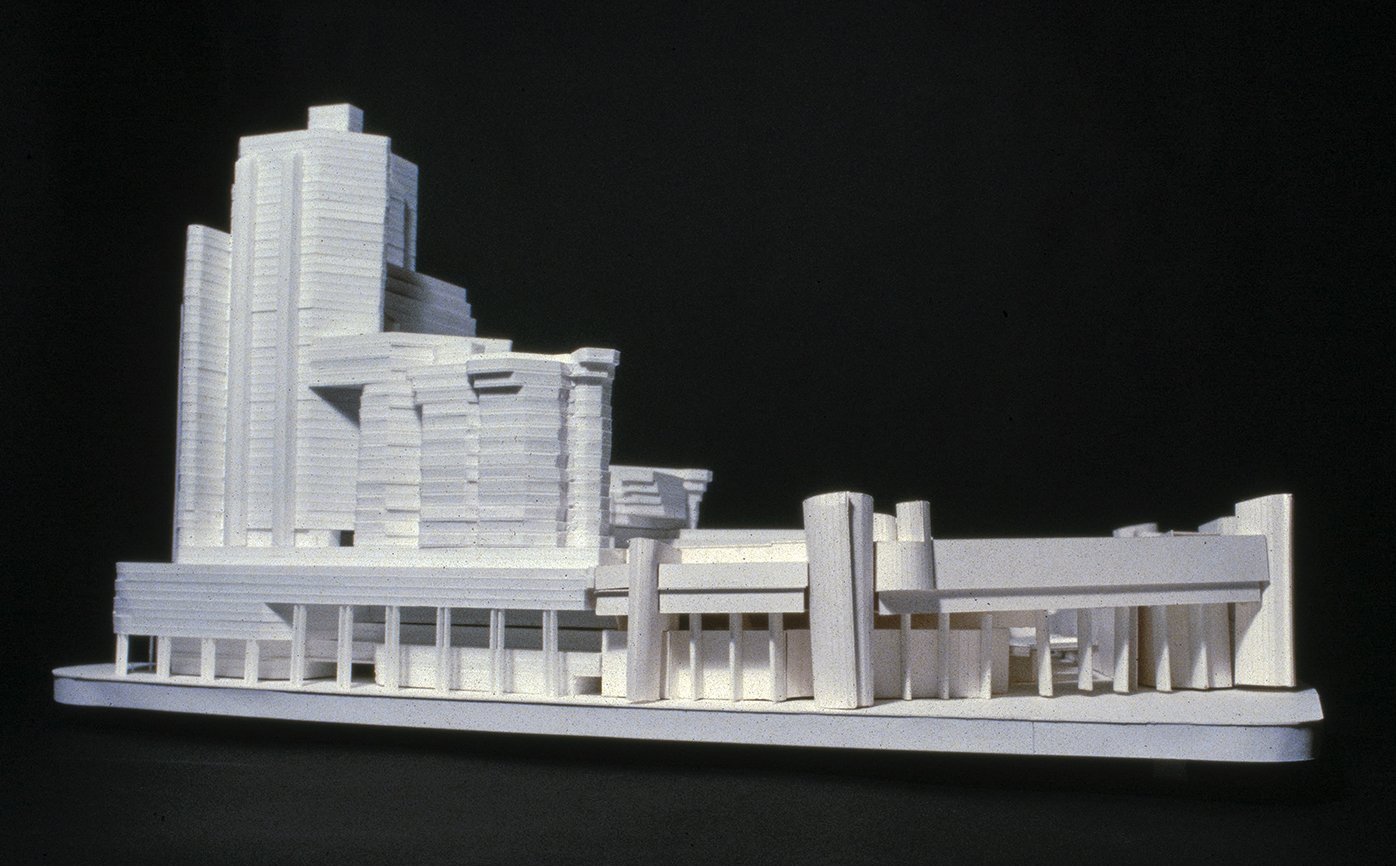
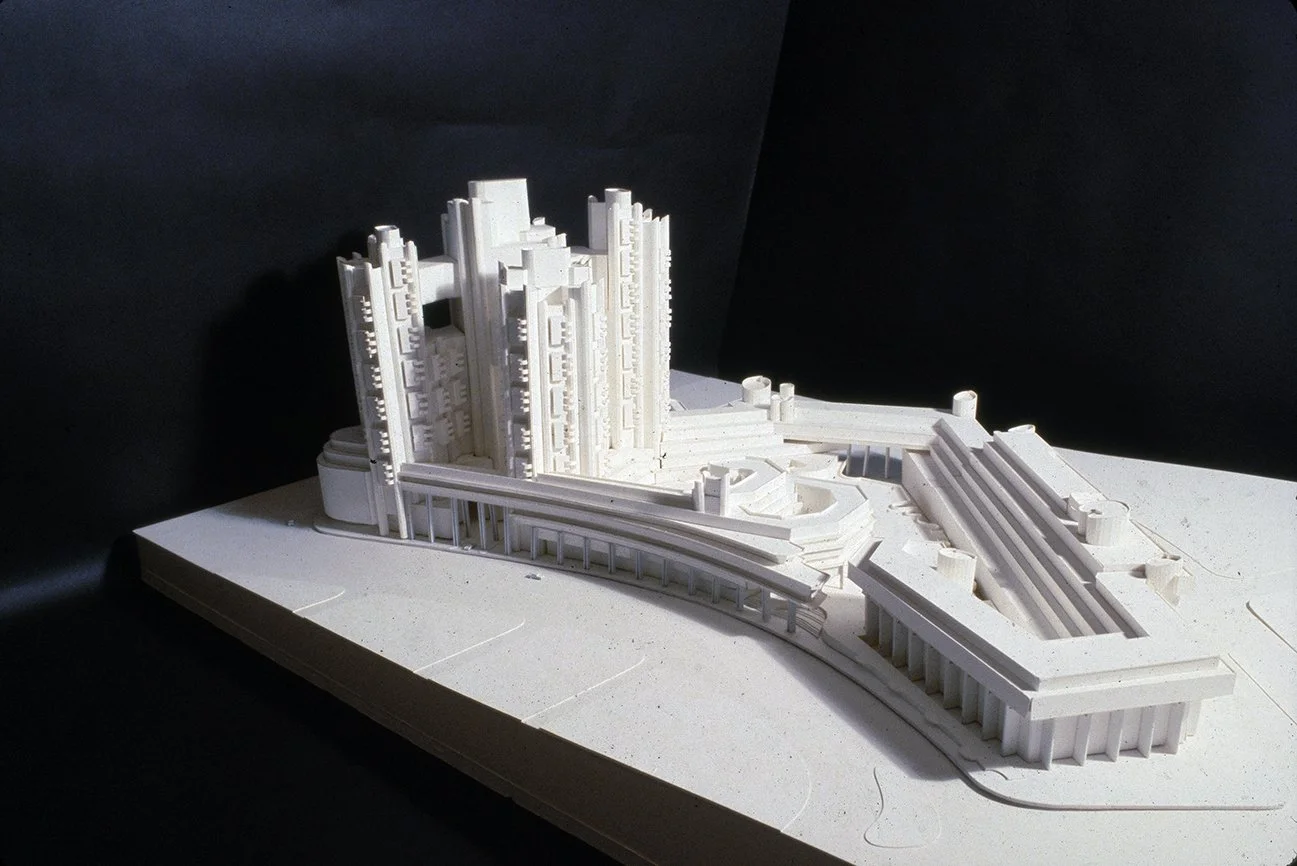
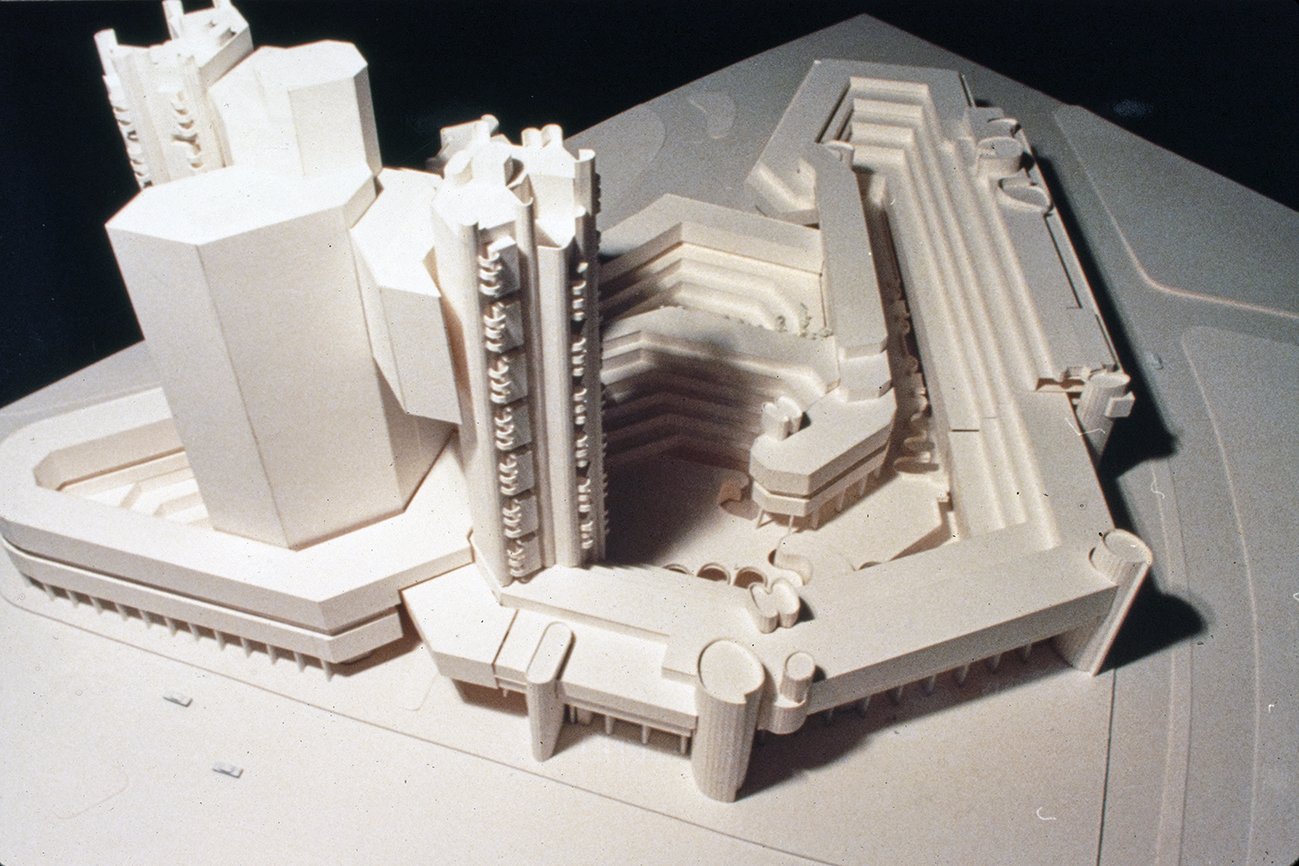
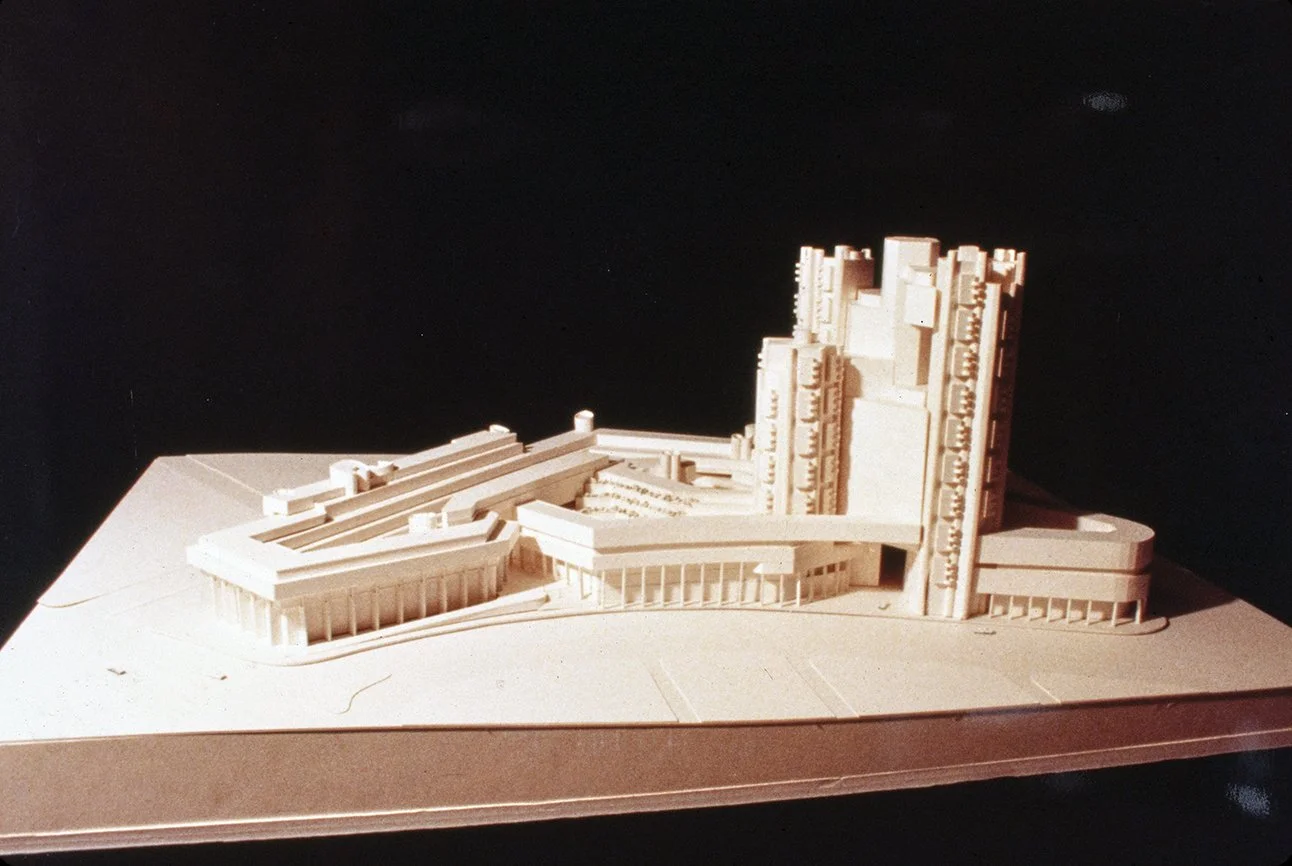
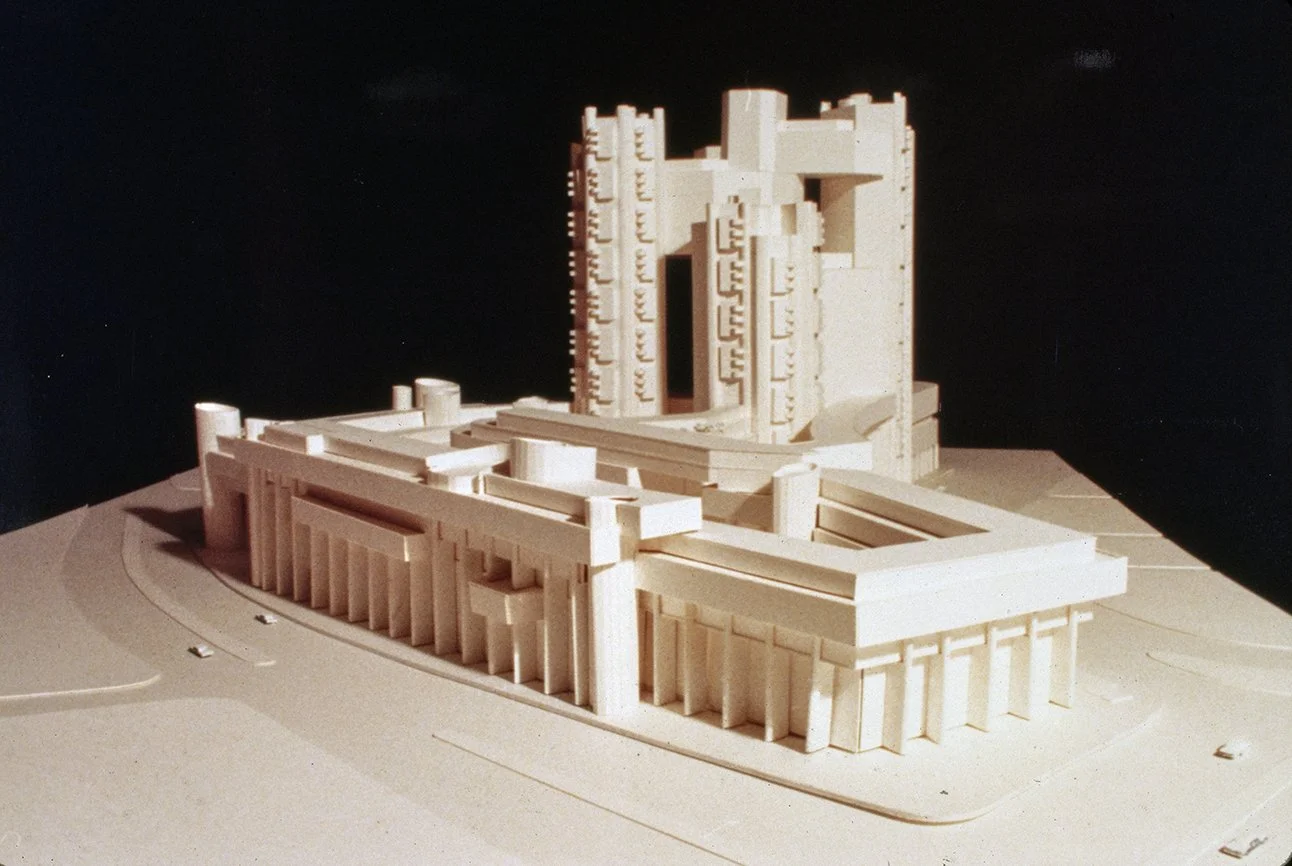
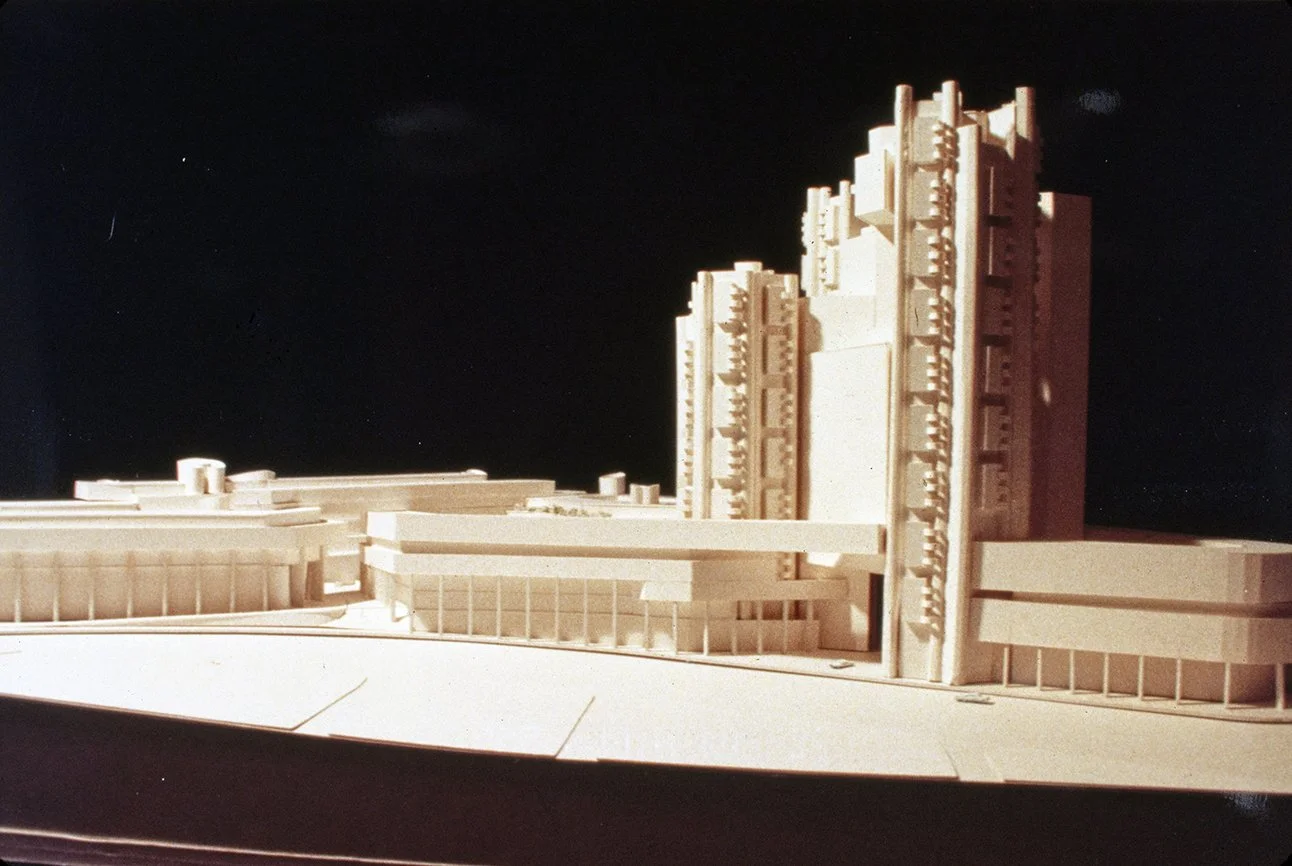
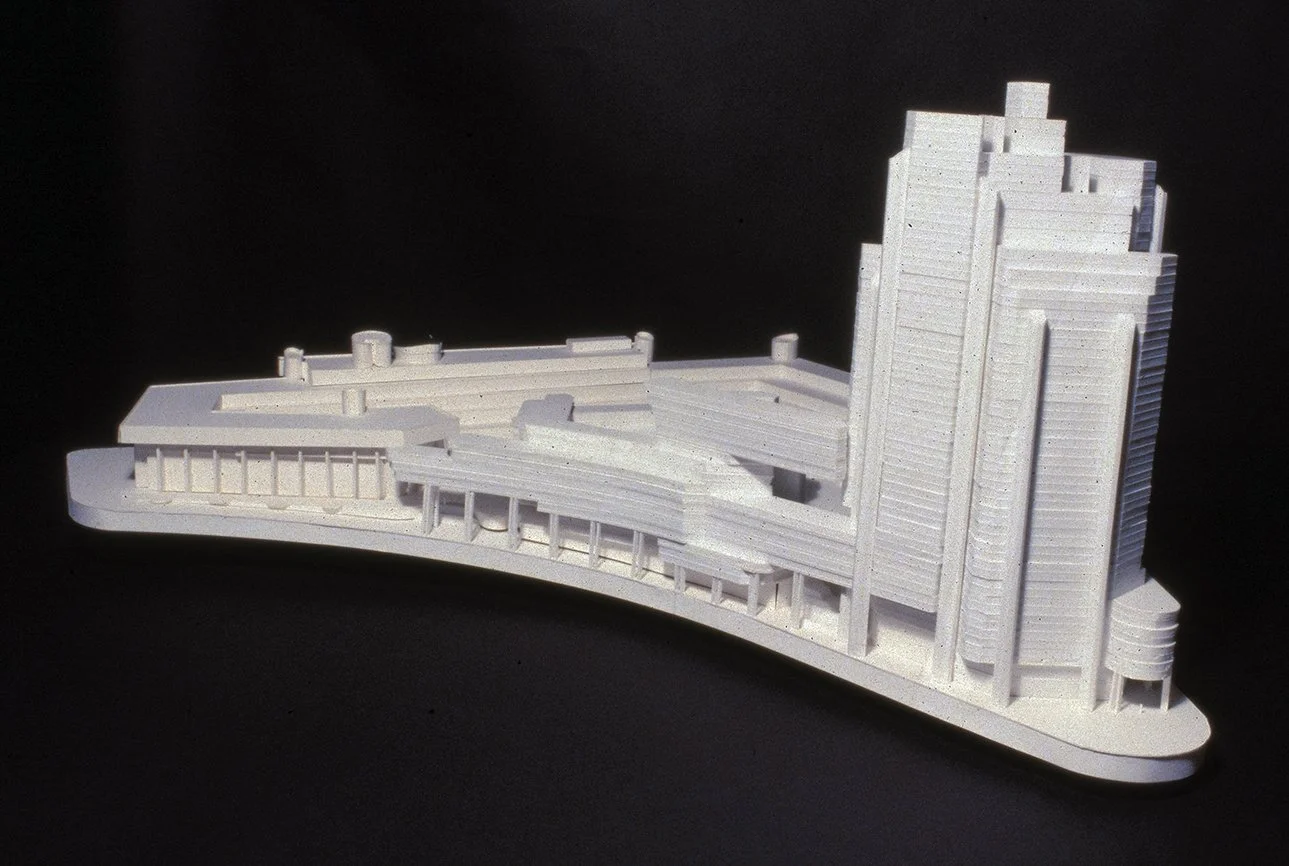
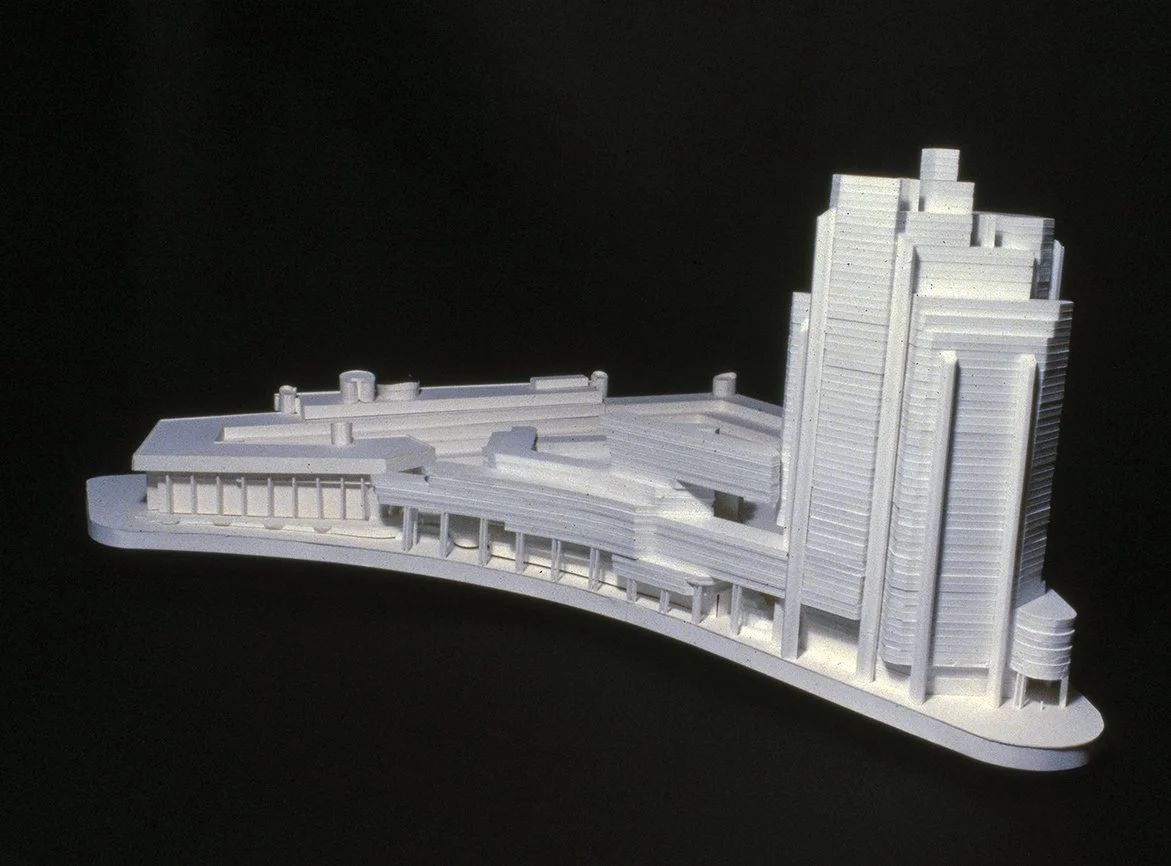
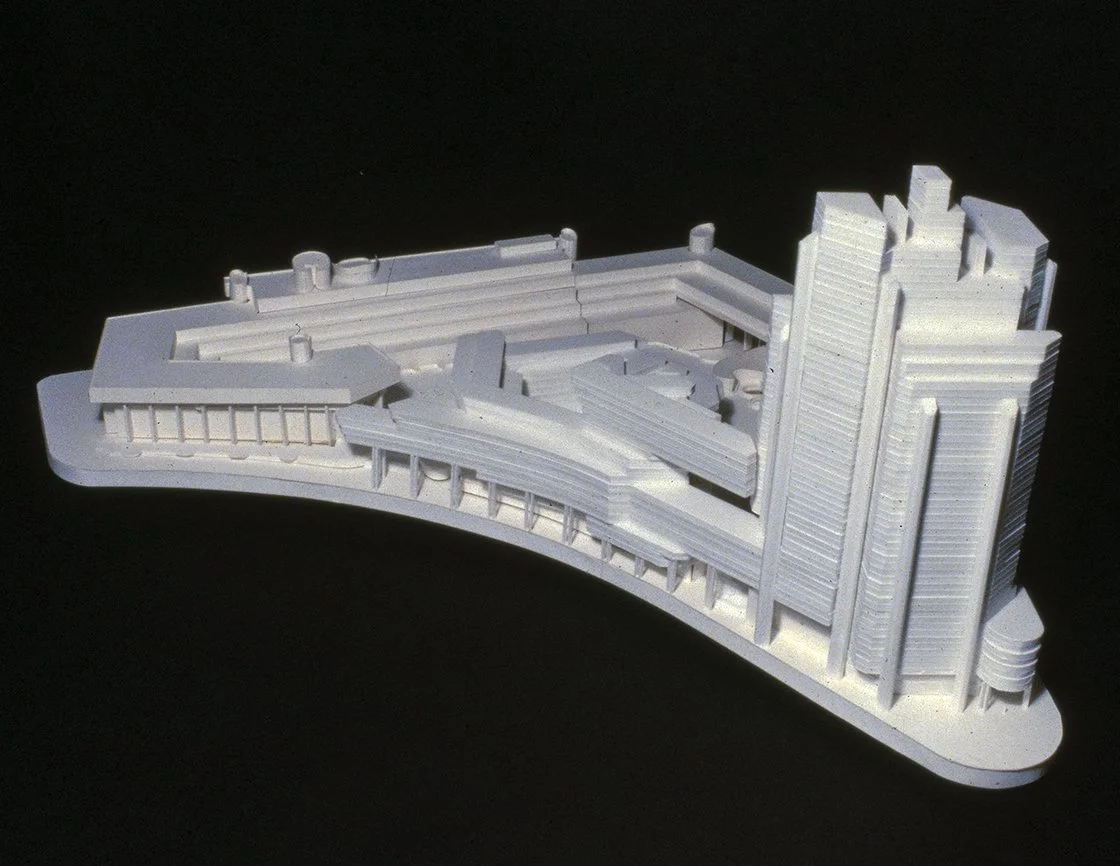
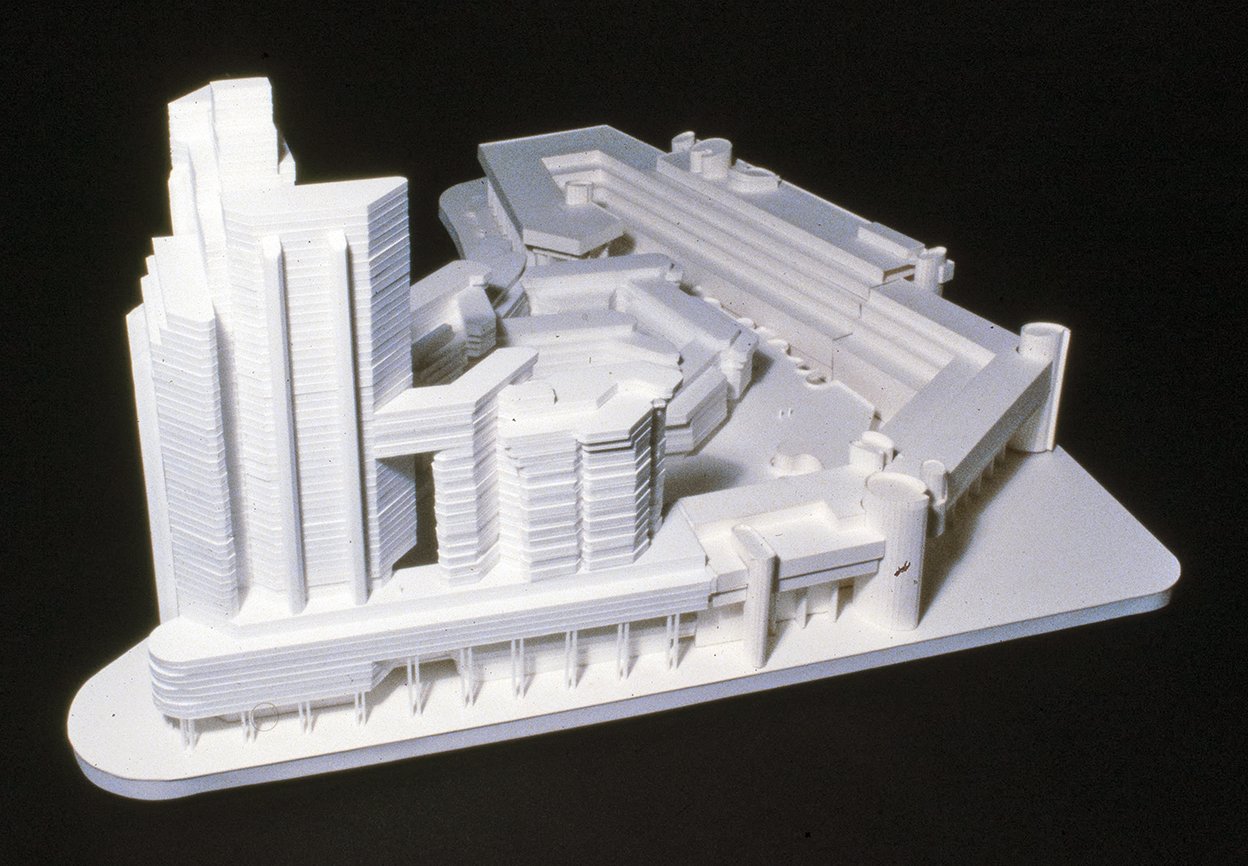
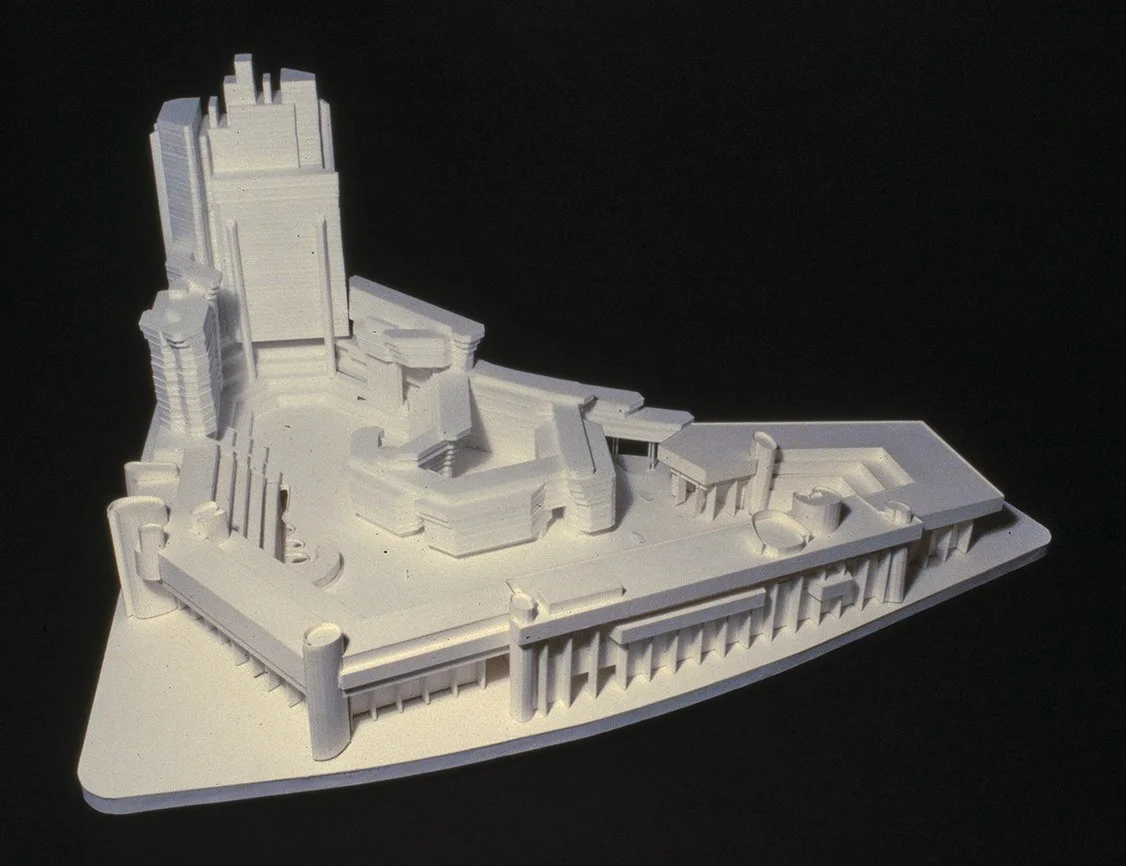
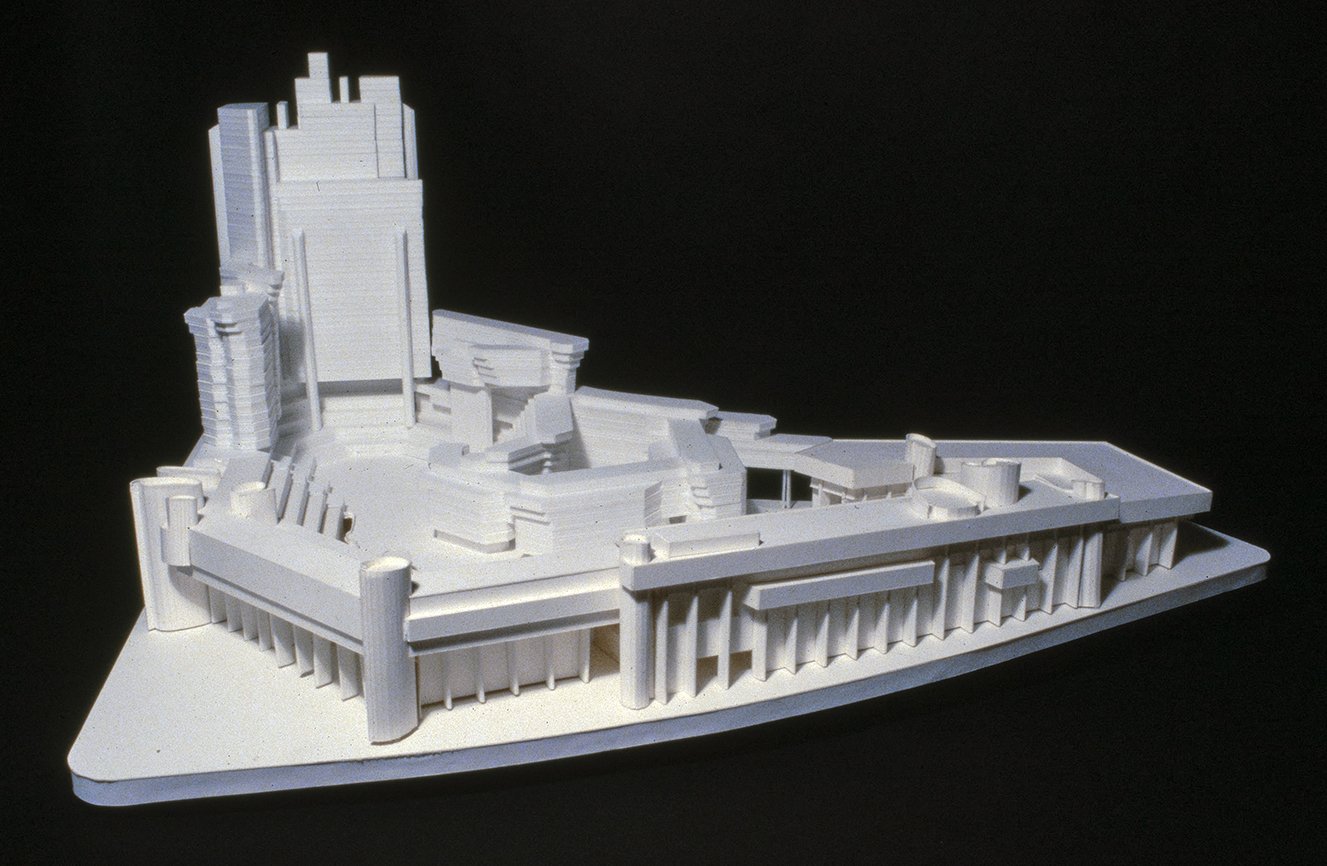
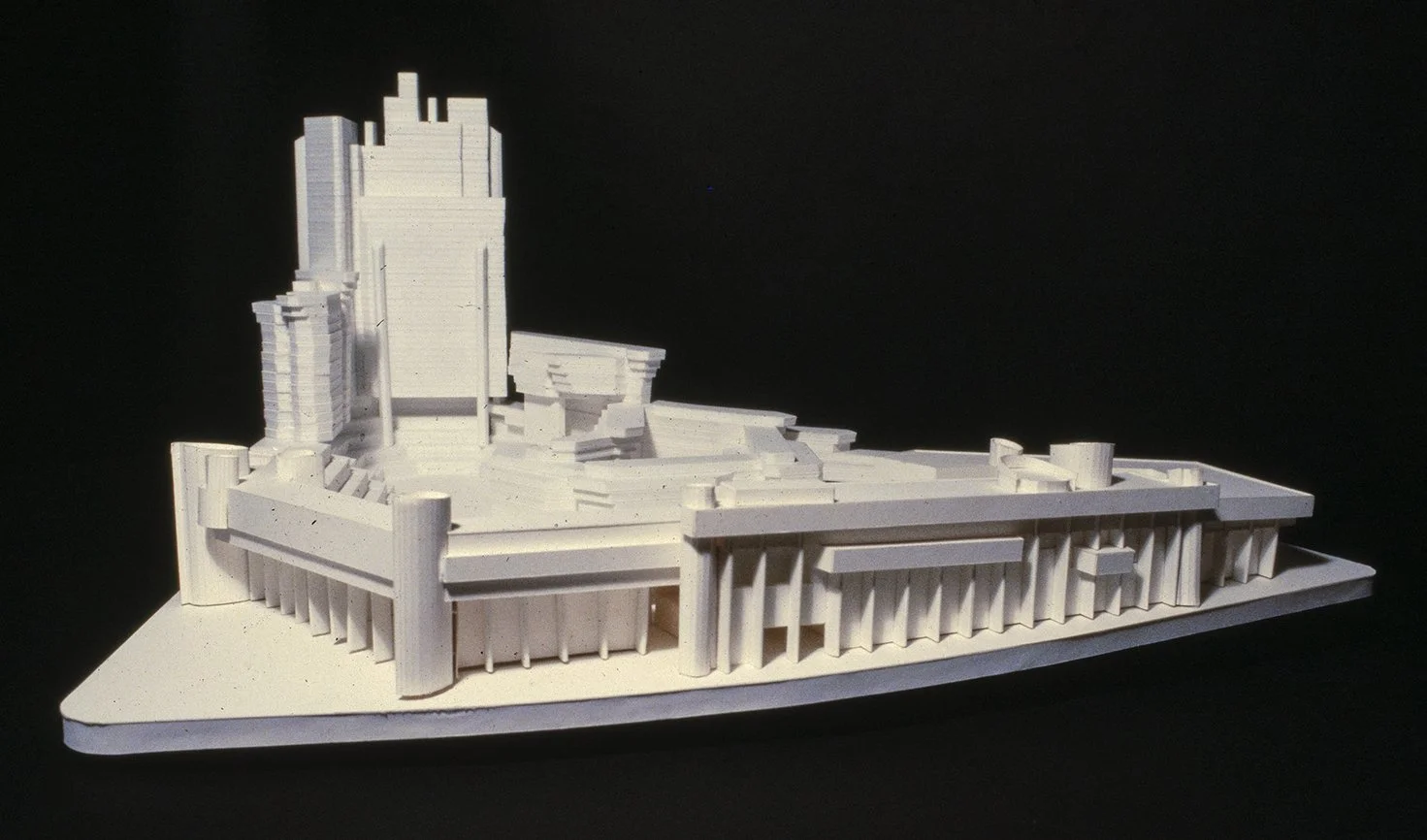
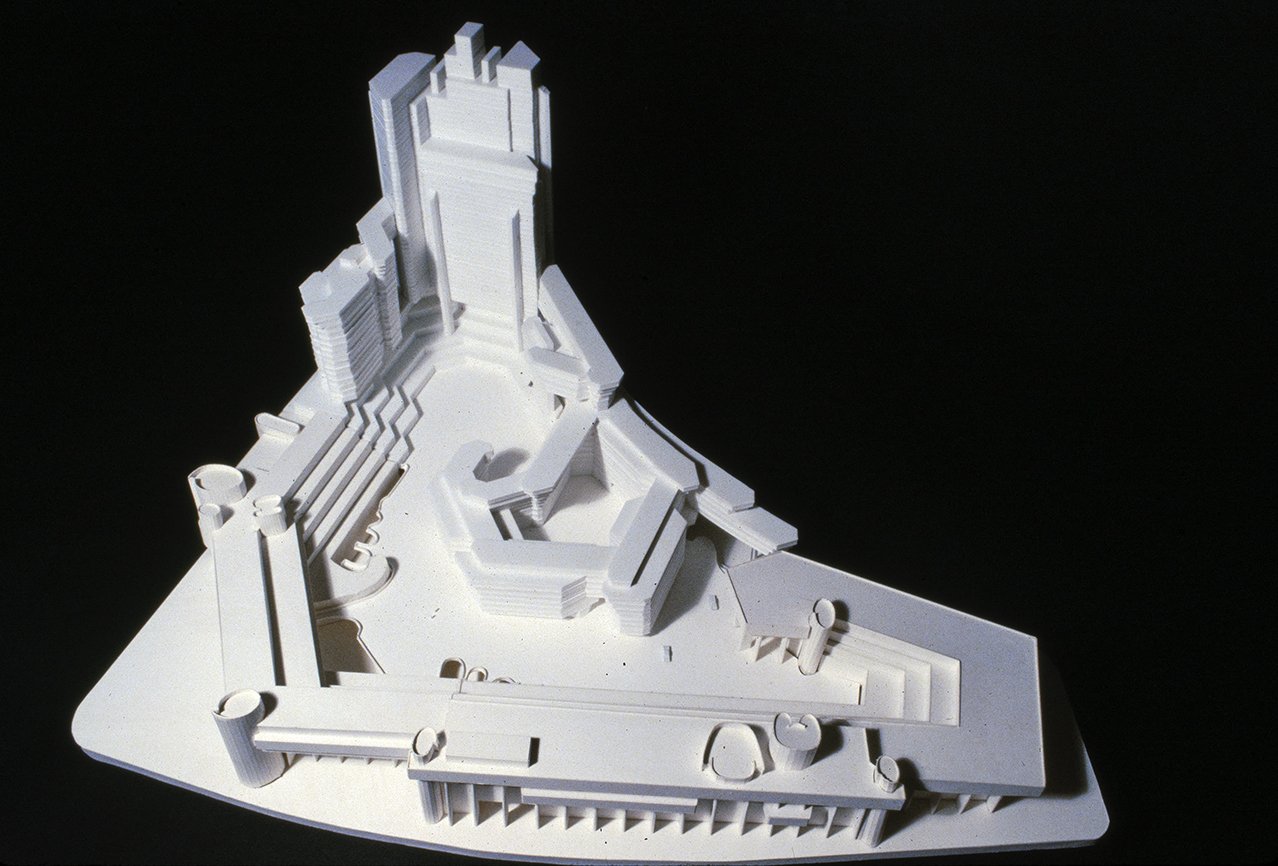
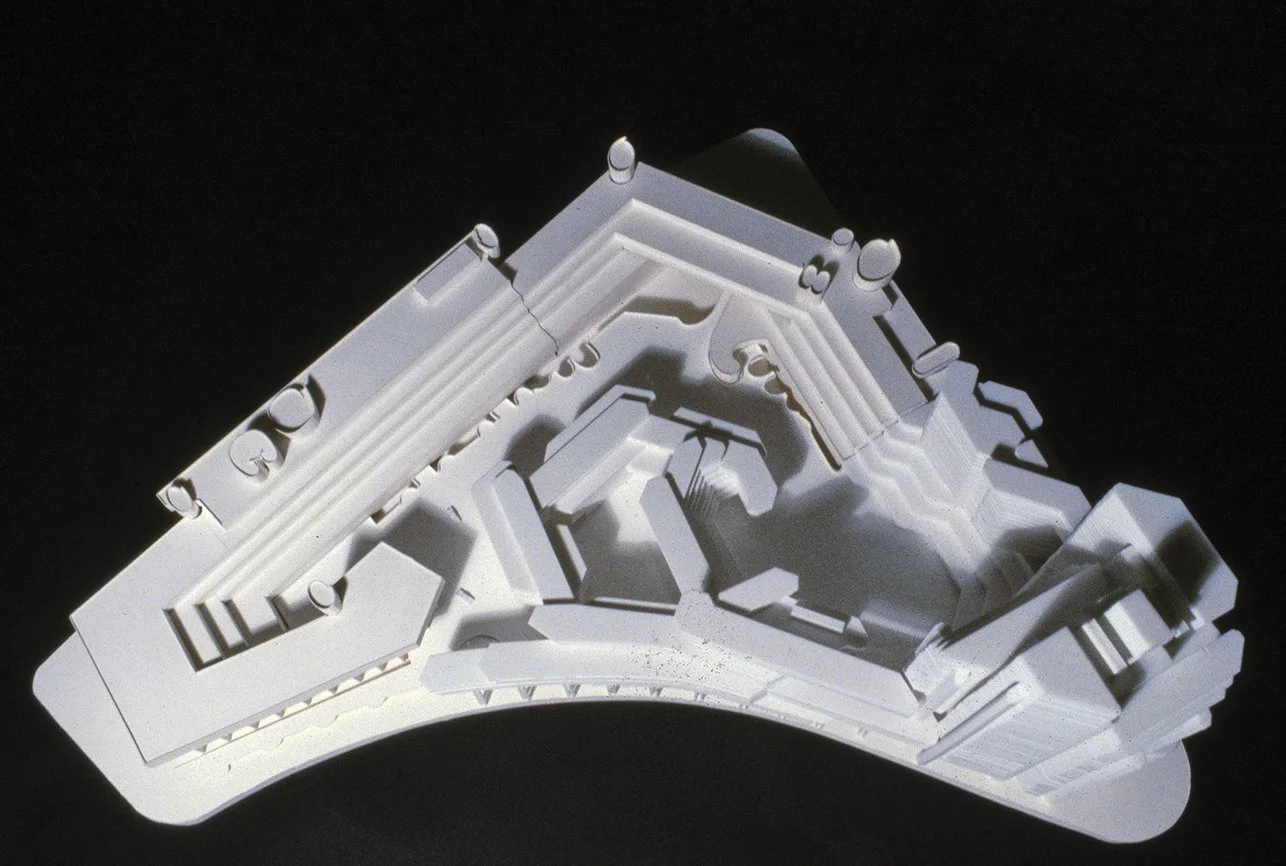
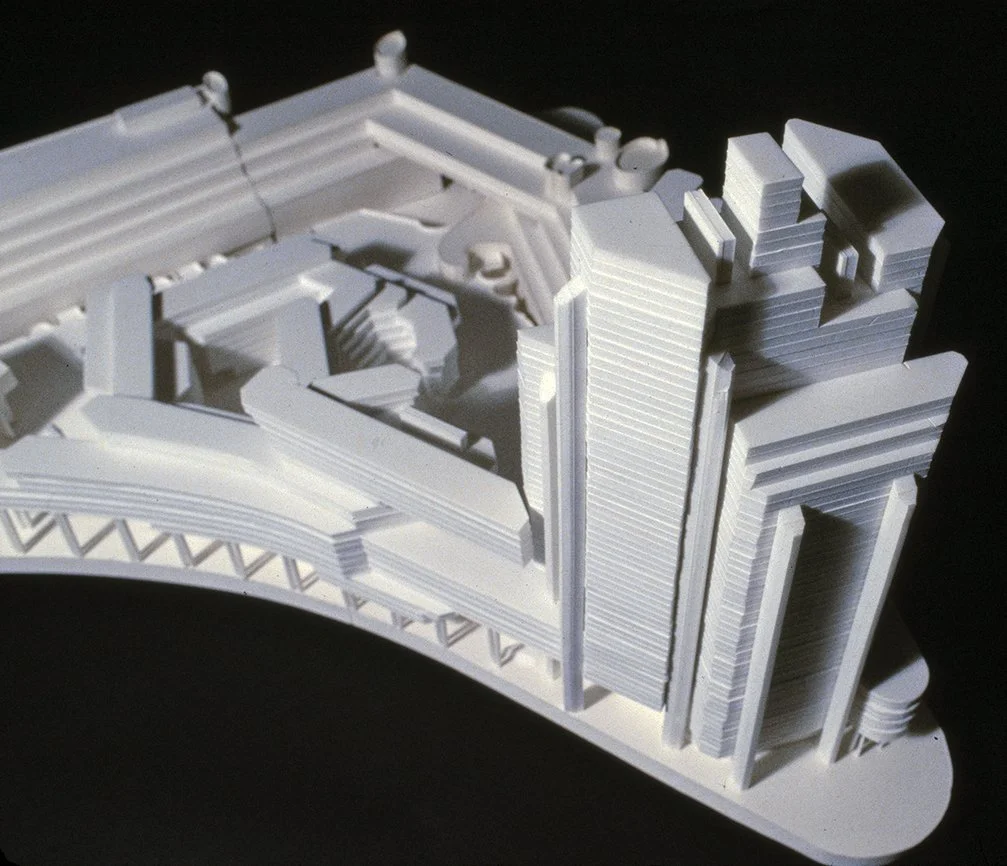
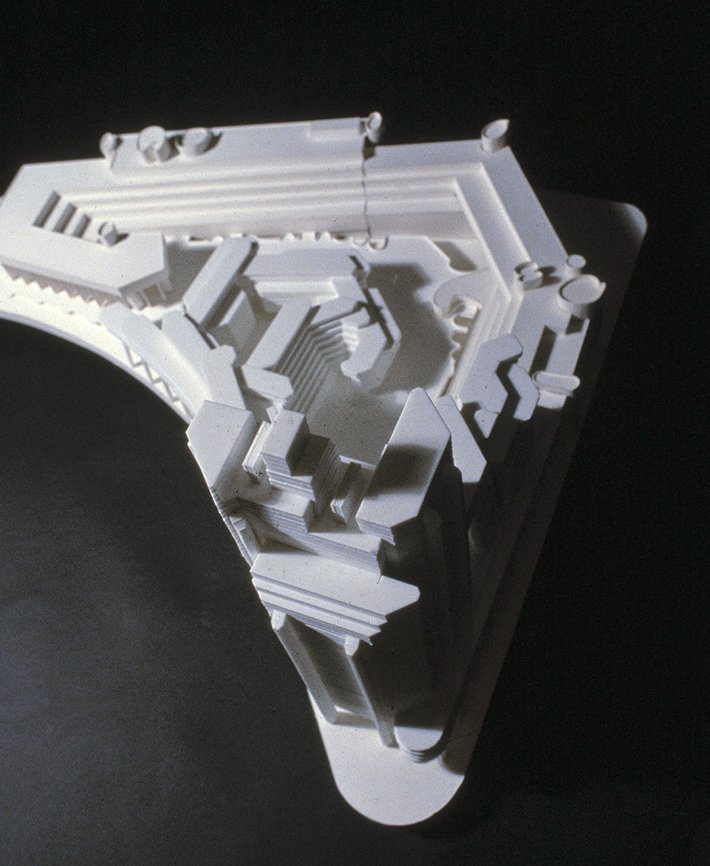
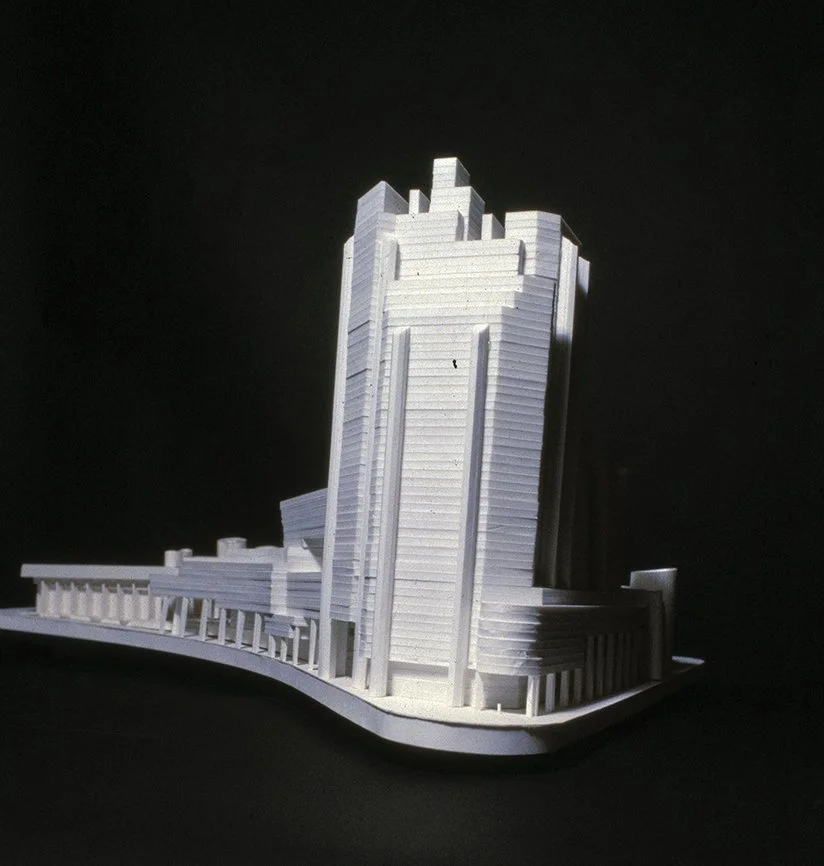
The project scope is to redevelop and design an addition to the existing Boston Government Service Center, originally designed by Rudolph in 1962.
In 1981, the Massachusetts state budget recommends that the Lindemann Mental Health Center of Boston move from the building into the Solomon Carter Fuller Health Center by June 1982 but lets the Ways and Means Committee monitor the process.
After leaving the South Bronx, New York in January 1985, Ed Logue (1921-2000) continues to do consulting work for development projects. Ed Logue partners with developer John P. Ryan (1929-2008) and development lawyers John Bok and David Place to ‘fix’ what he says were ‘architectural mistakes’ at the site. Logue says the utility of the design was hampered by the decision in the 1970s not to build a third office tower on the block on land that has since become used as a dirt parking lot. Logue works from a small office off Winthrop Square on a plan to reuse the buildings.
The State of Massachusetts bought the original site in the 1960s from the BRA for $1.7 million USD, and the 500,000 s.f. southeast corner of the lot being used for parking is estimated to be worth $20 million USD for commercial development. The value of the entire site is estimated to be worth between $250 million USD and $500 million USD according to estimates published in 1987.
In 1987, Ed Logue tries unsuccessfully to get Suffolk University to leave its Beacon Hill property and relocate into the Center as a tenant.
Logue also tries to make it a new home for the Boston University Law School. “All we are doing is looking the situation over,” says Thomas D. Cashman, BU’s Vice President for Public Affairs. “I think we have an understanding and I think as we progress we will have an agreement,” says Logue.
Logue’s proposal includes a new law school for Boston University with the local catholic archdiocese building 400 affordable housing units on the site.
Logue’s scheme to reuse the site gets boost in December 1989 in the form of a bill filed by Senate President William Bulger which would list the property for sale without a competitive bidding process. The bill involves turning over the site to a developer, creating a commercial and residential complex on it, providing equal or superior facilities to the state agencies presently located on the site and adding 400 units of affordable housing on the property. The price quoted in the bill is $40 million USD which industry sources say is roughly the development worth of the land alone, without the existing buildings already on the site. However, the site is also requested by judges in Boston’s federal court system for a new home.
On Monday, June 25, 1990 the Legislature’s Housing and Urban Development Committee holds a hearing about the Bulger bill. Ed Logue attends and gives testimony about the proposed development project. Rev. Michael Groden, director of the archdiocese’s Planning Office for Urban Affairs begins the presentation with the history of the 4 year-old proposal. He says the current complex is poorly planned. He says, “at seven o’clock at night, it’s a no-man’s land.” The proposal is supported by Lew Finfer of the Affordable Housing Alliance. Against the proposal is the Downtown North Association represented by Robert O’Brien. He testifies the location is the wrong place to put affordable housing and rebuild a 50-bed homeless facility that also houses the mentally ill. “This is not ‘mixed-use’ but ‘mixed-up use,” he testifies.
The proposed relocation of Boston University’s Law School ultimately fails and the Edward W. Brooke Courthouse designed by Kallman McKinnell & Wood is built on the site in 1998.
DRAWINGS - Design Drawings / Renderings

DRAWINGS - Construction Drawings

DRAWINGS - Shop Drawings

PHOTOS - Project Model
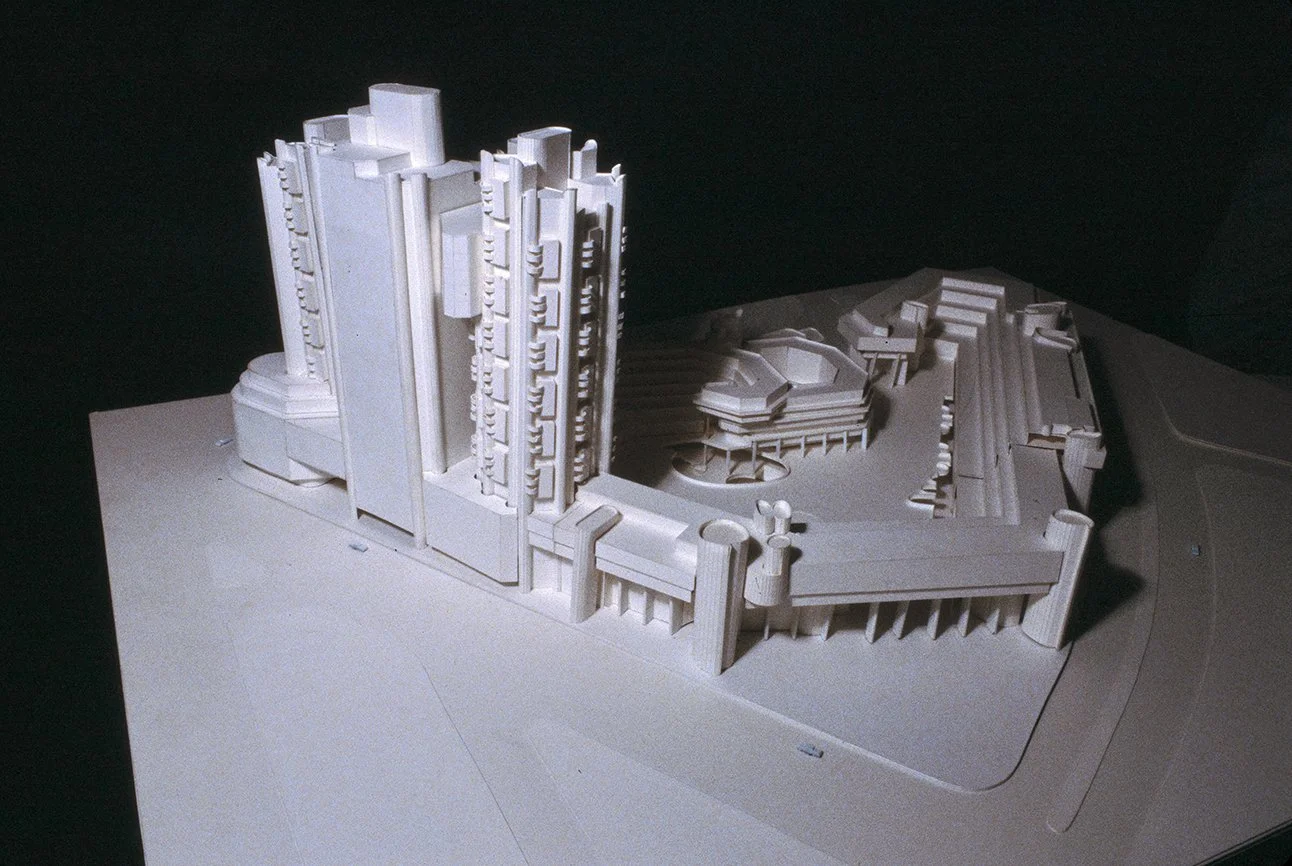
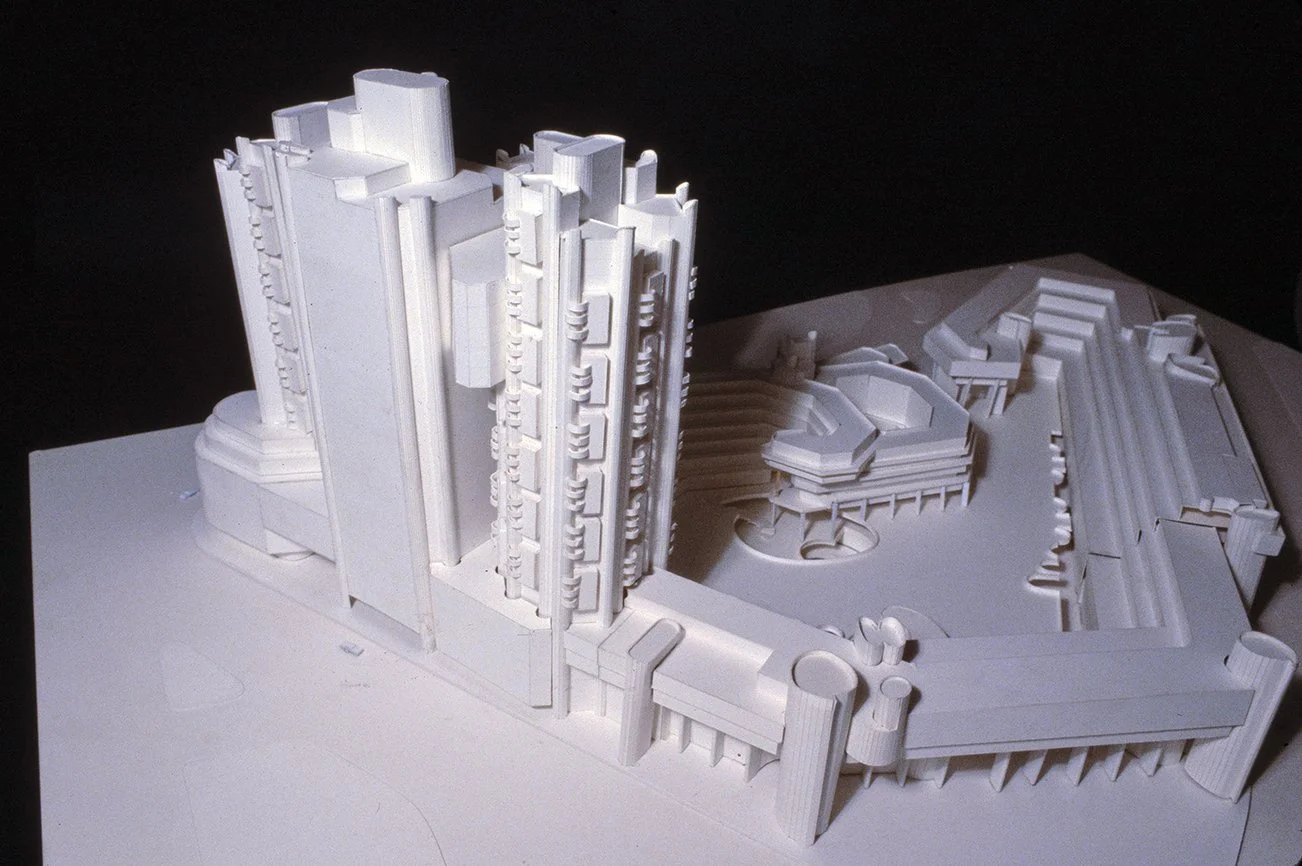
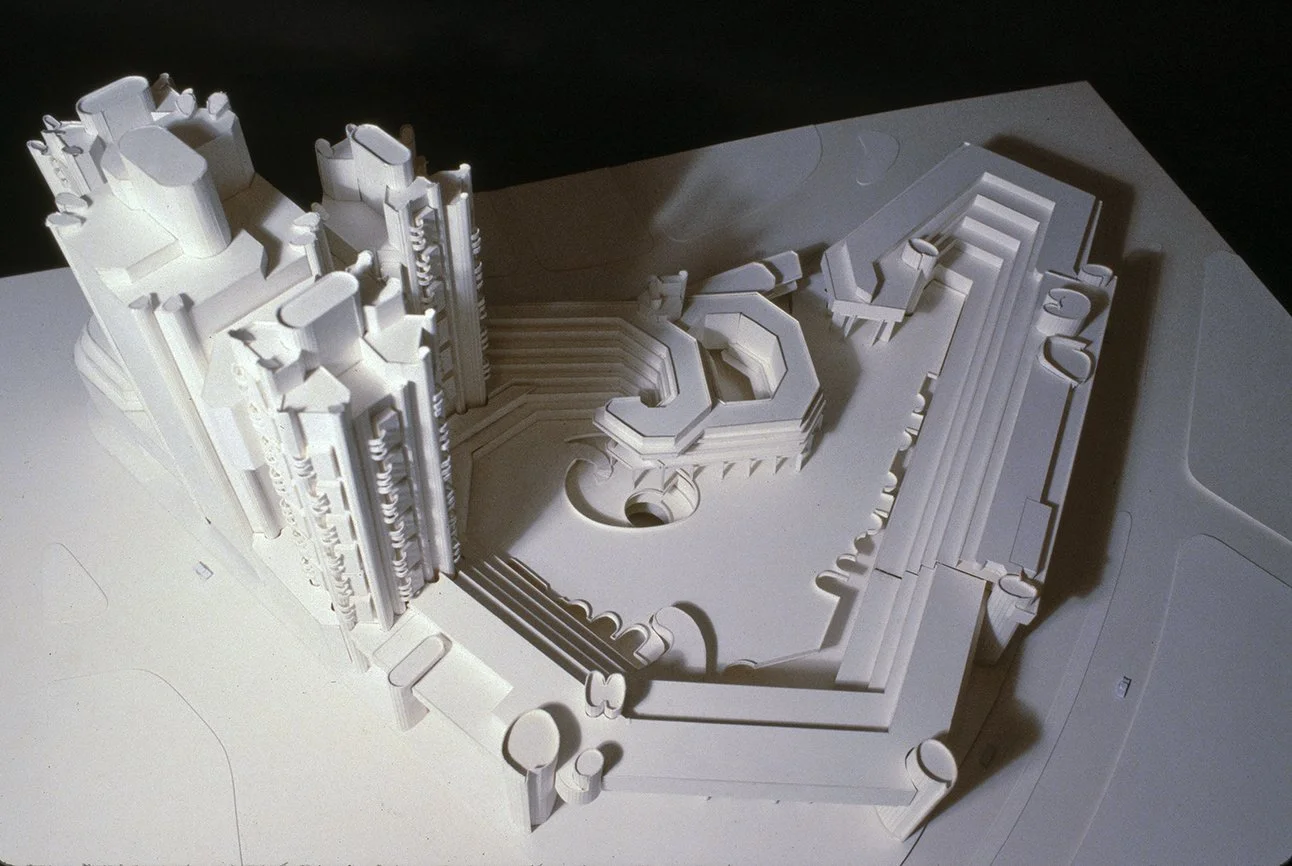
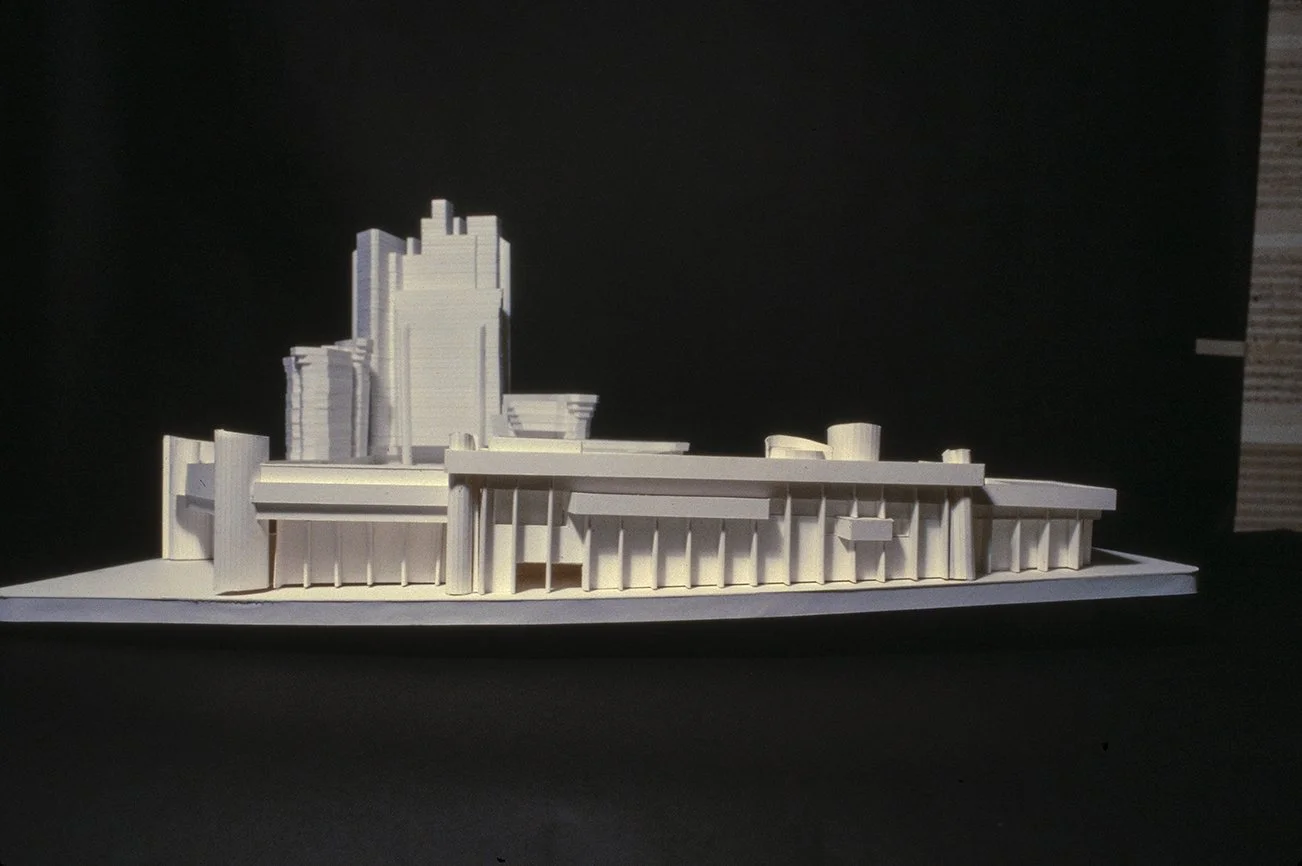
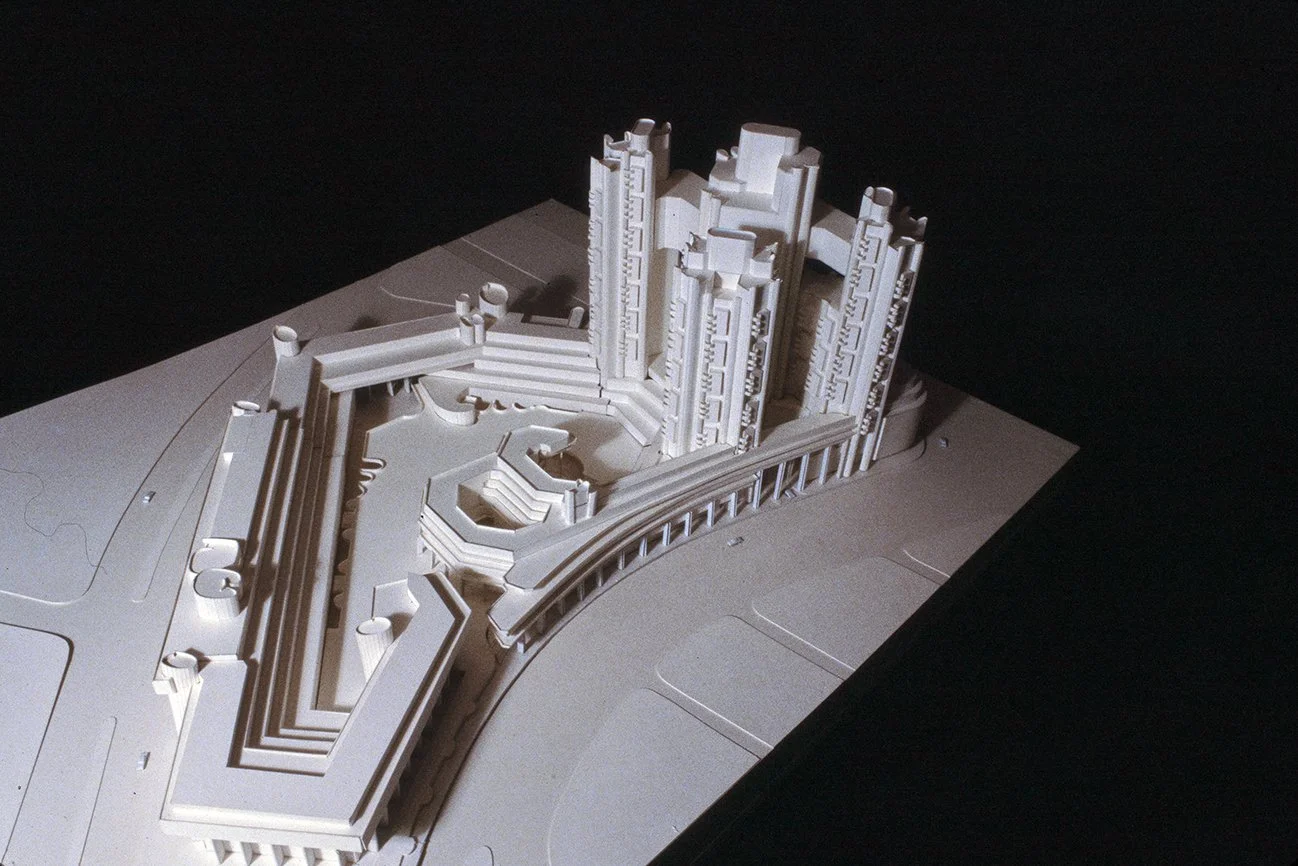
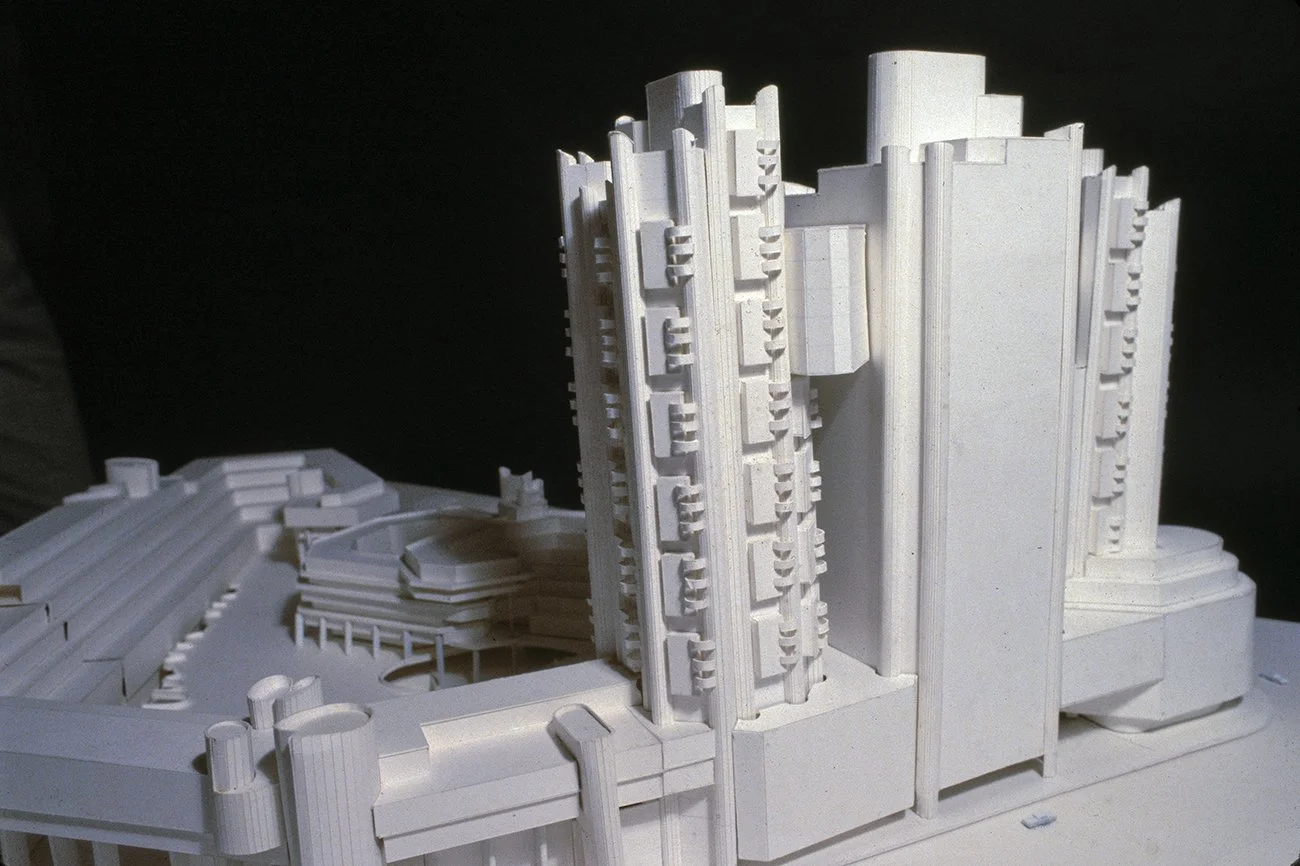
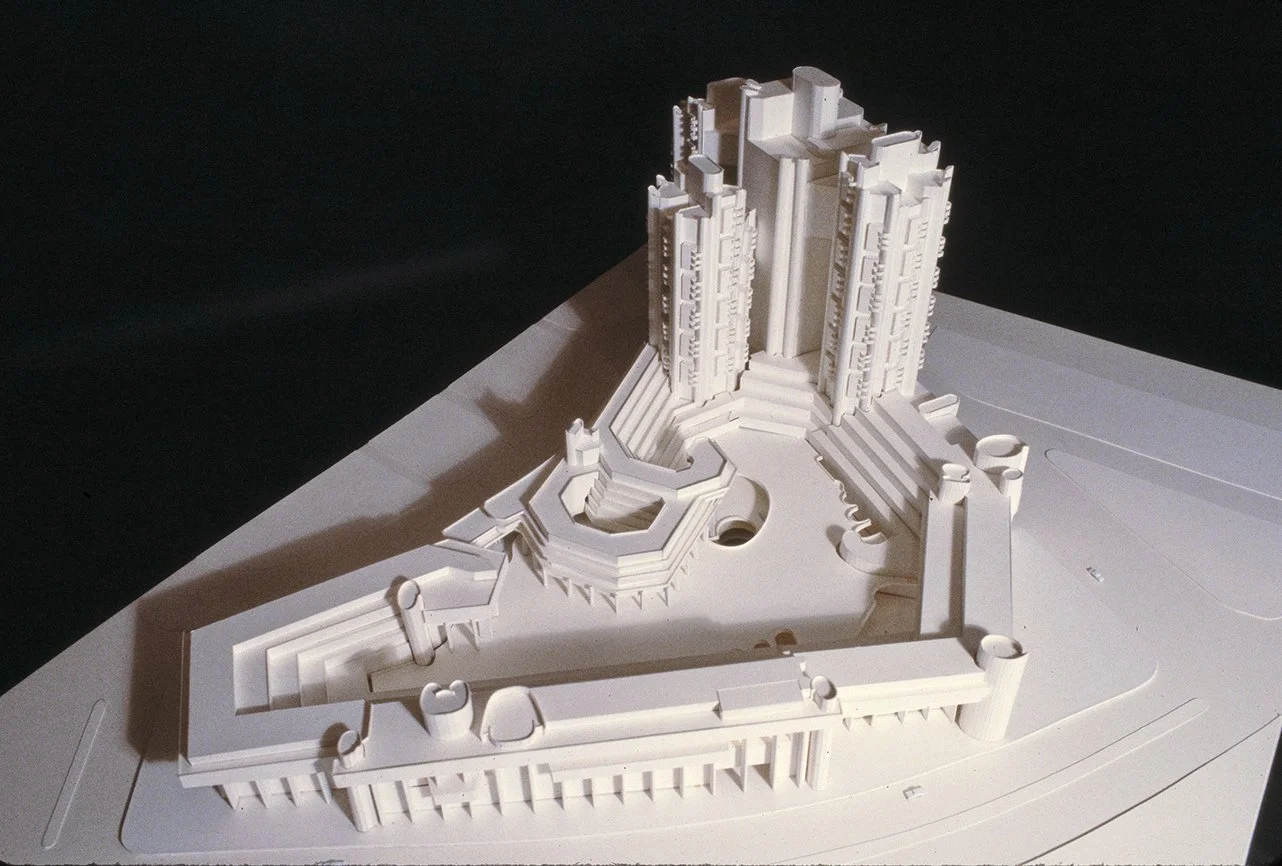
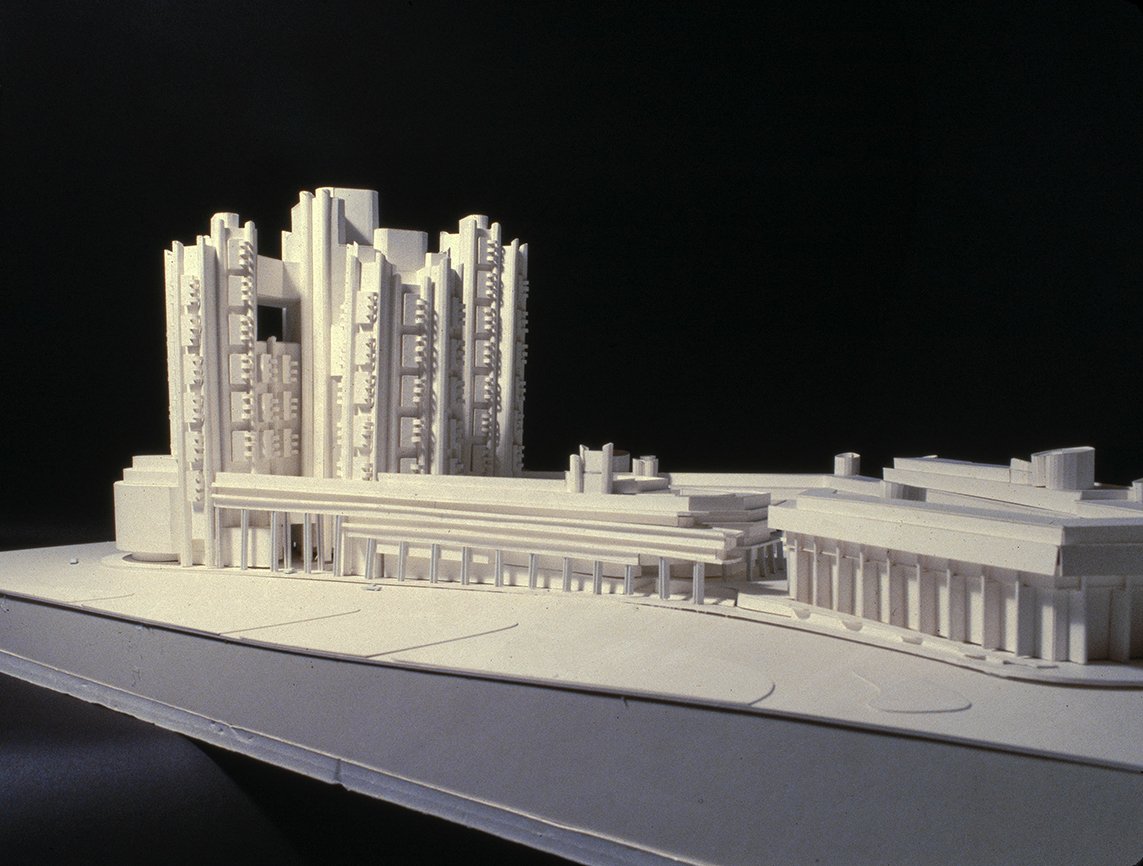
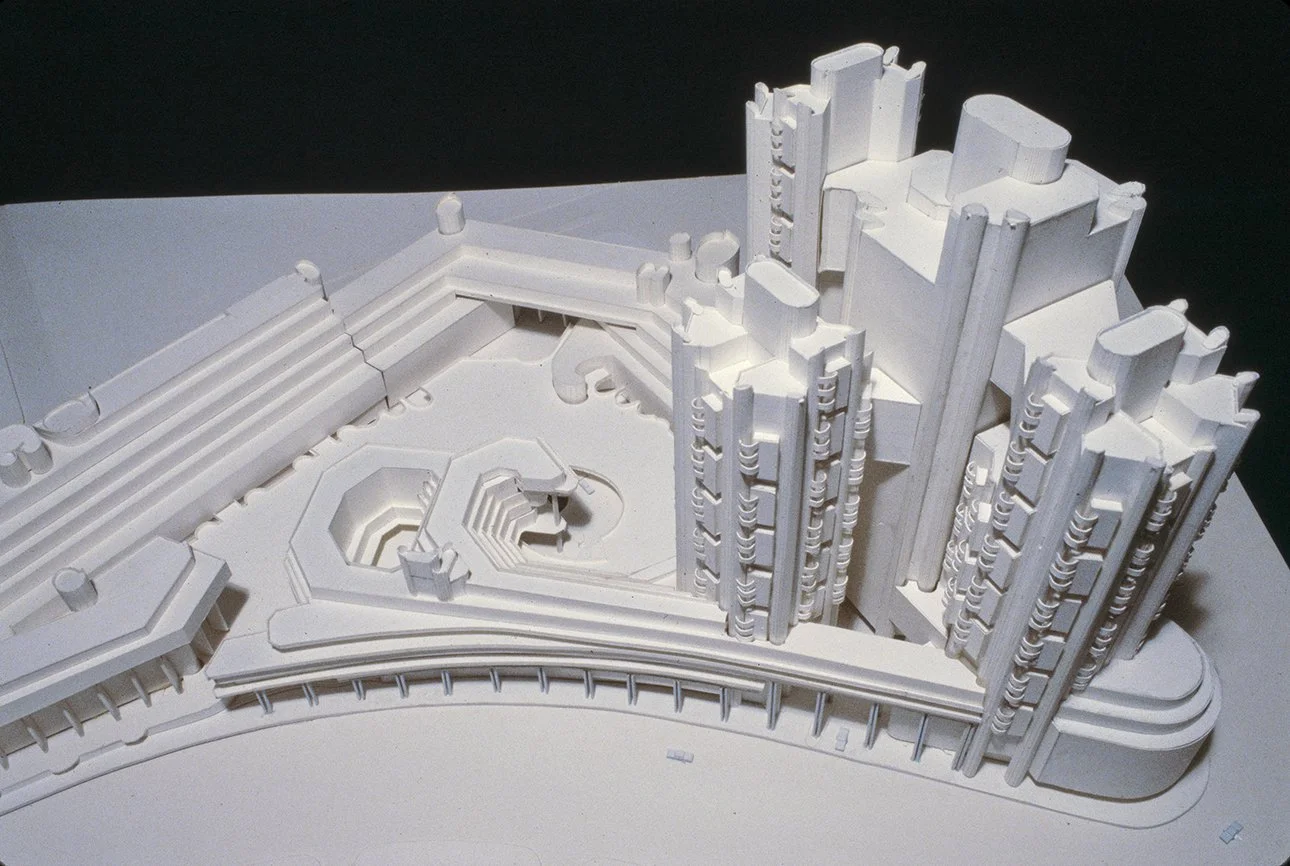
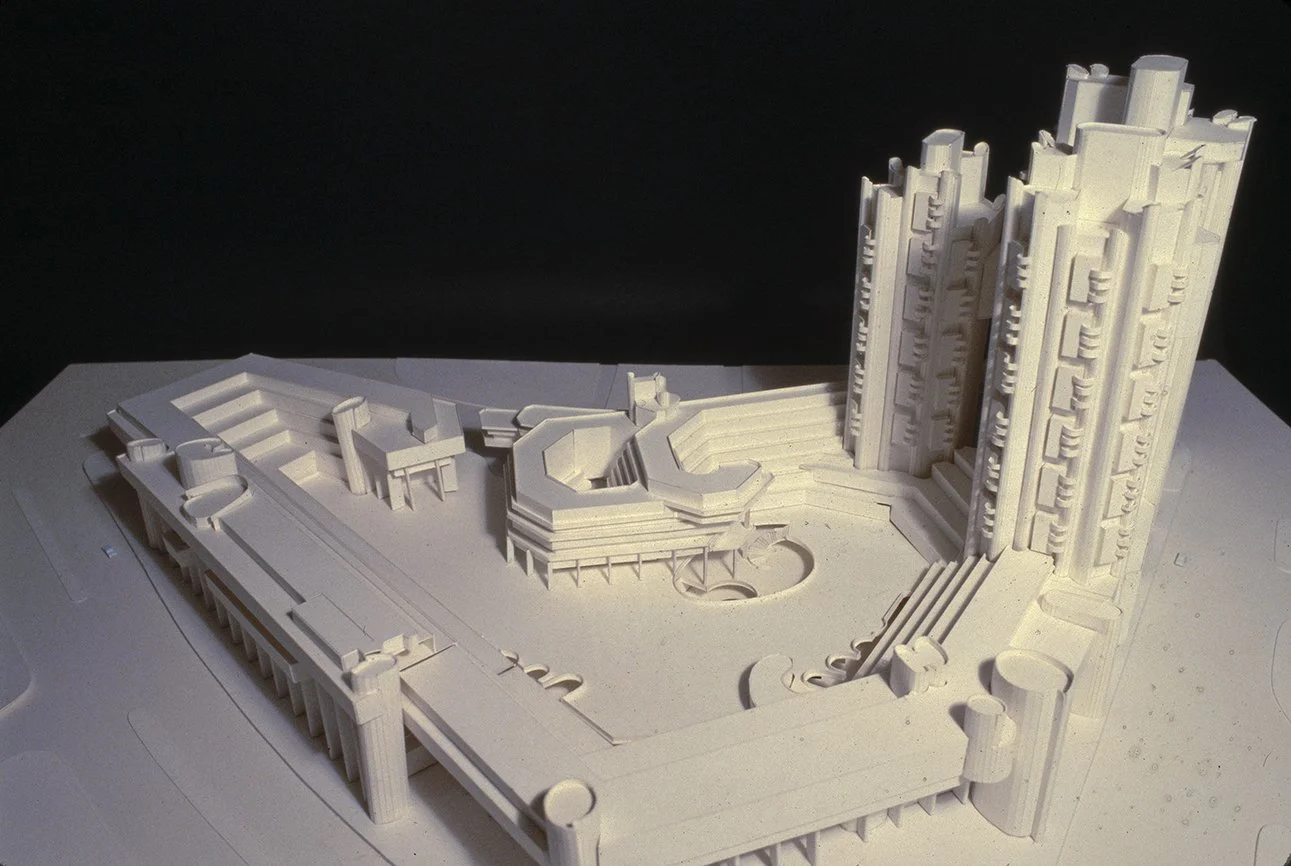
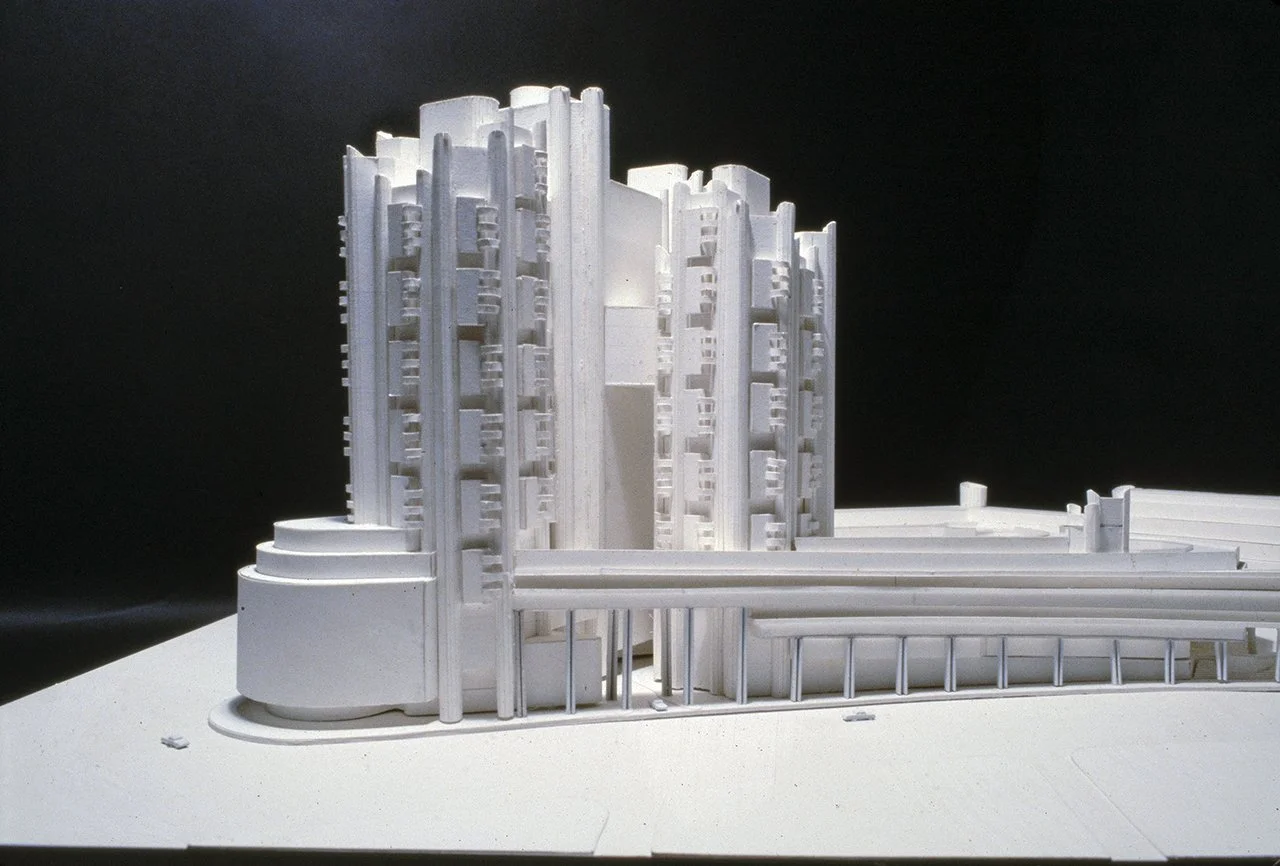
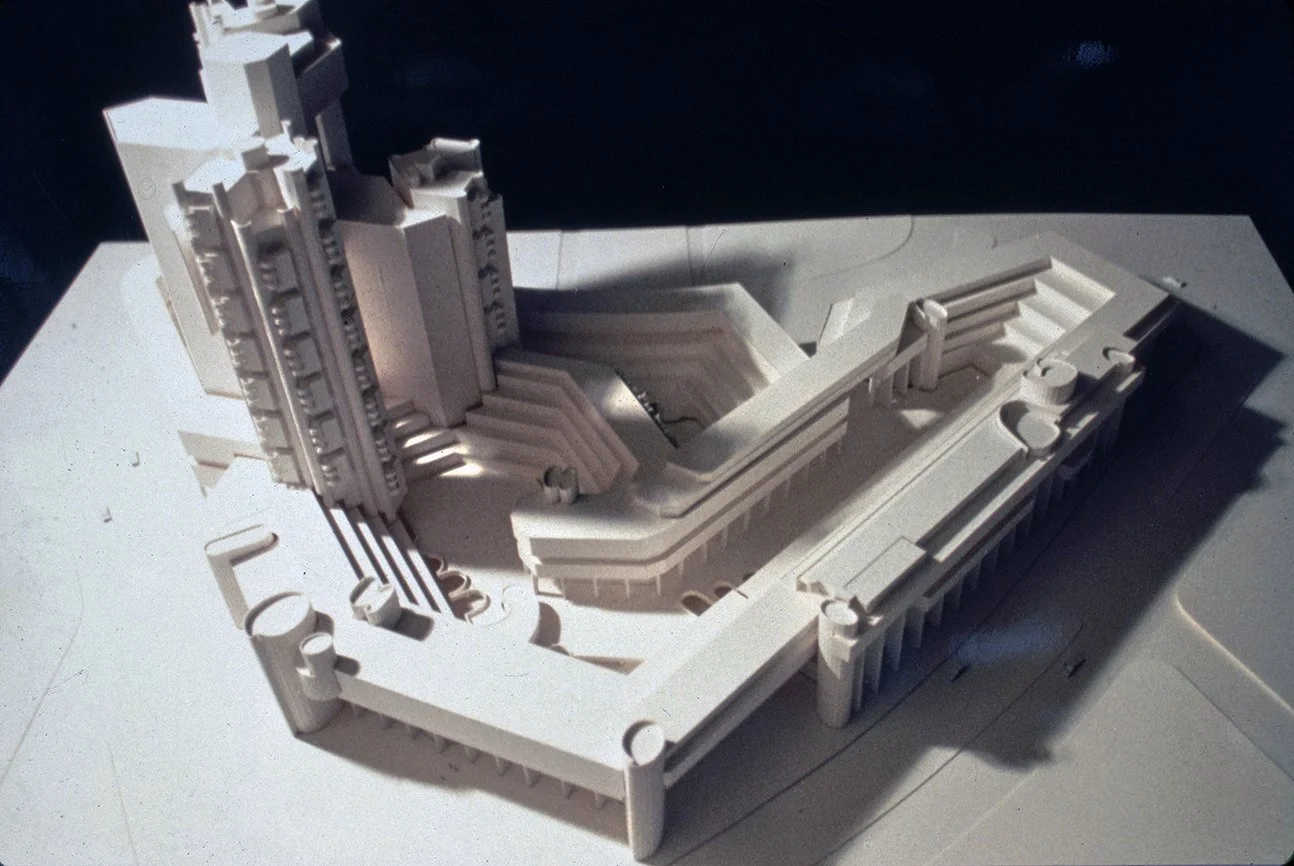
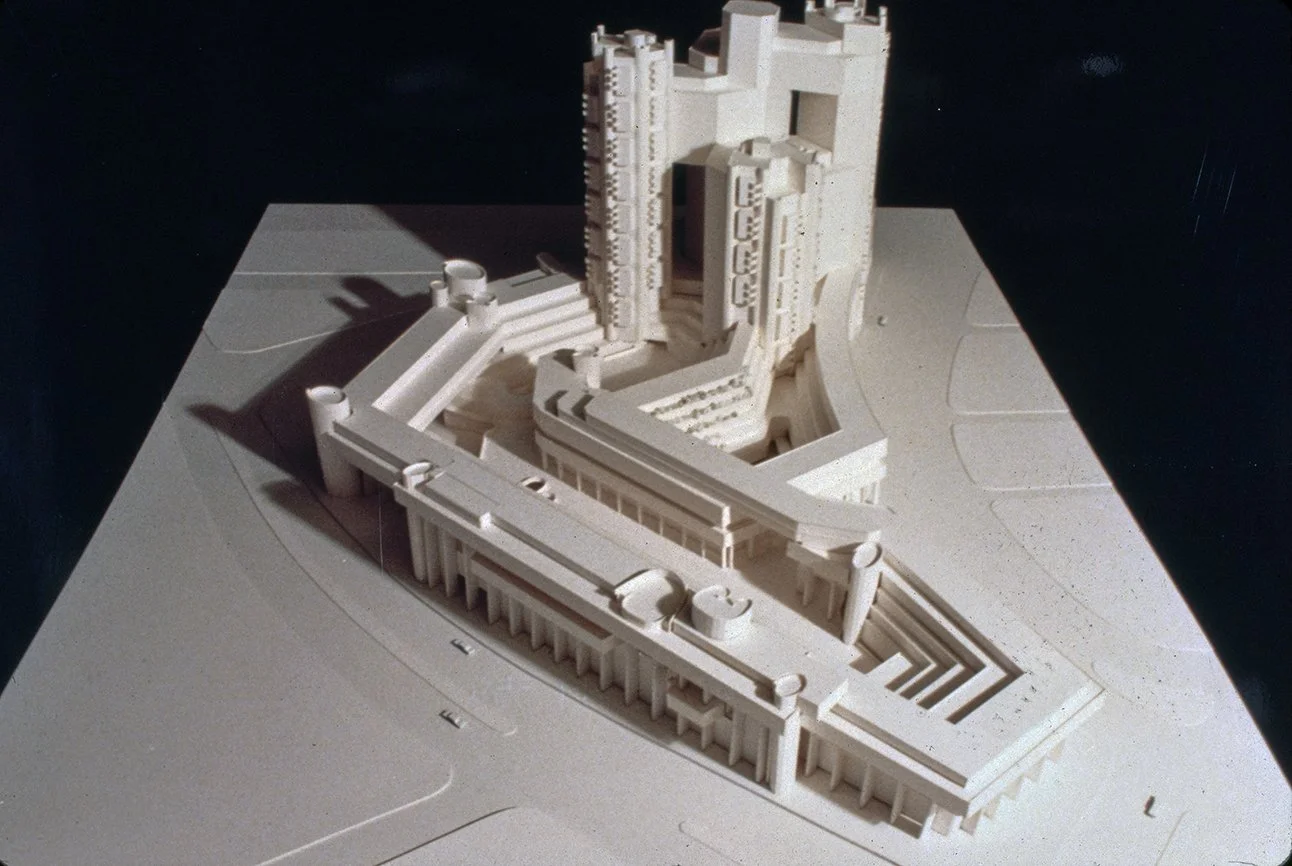
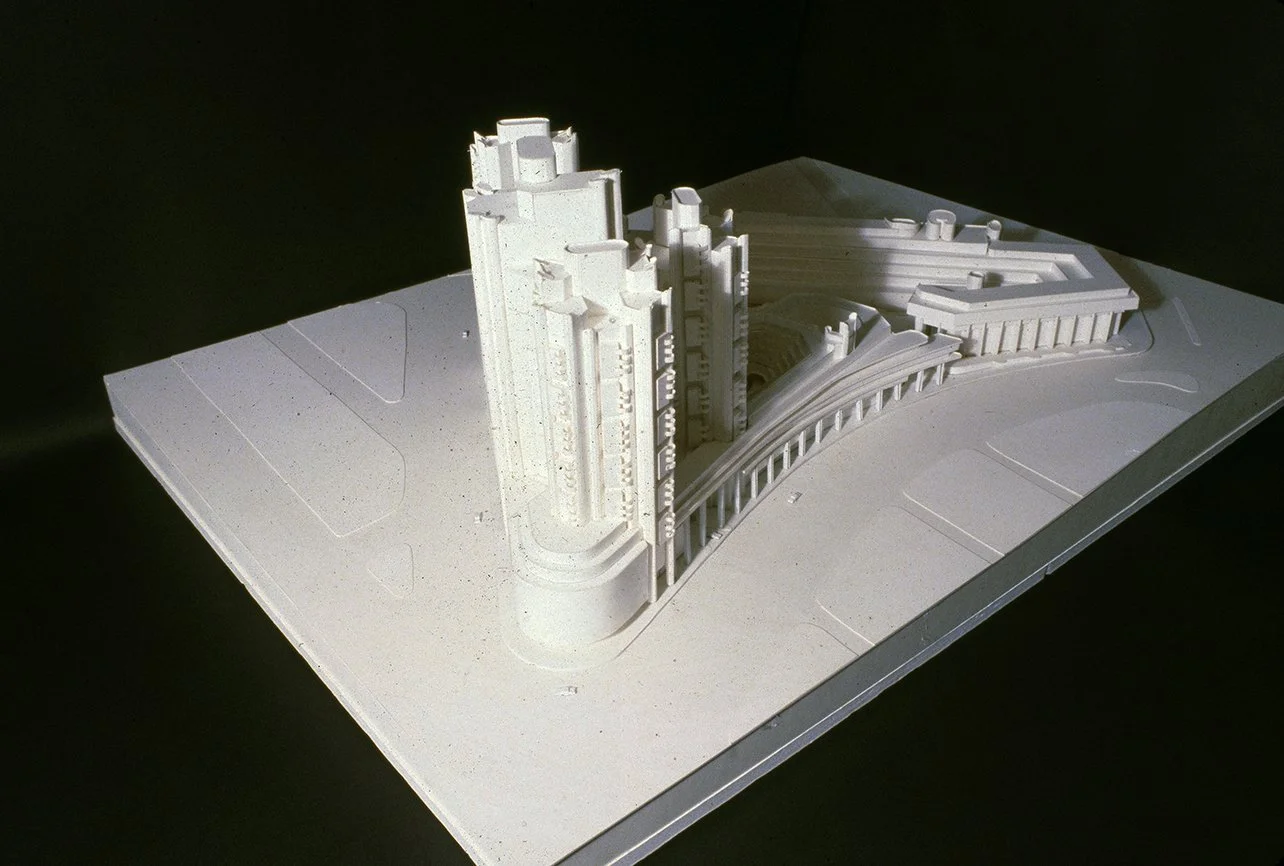
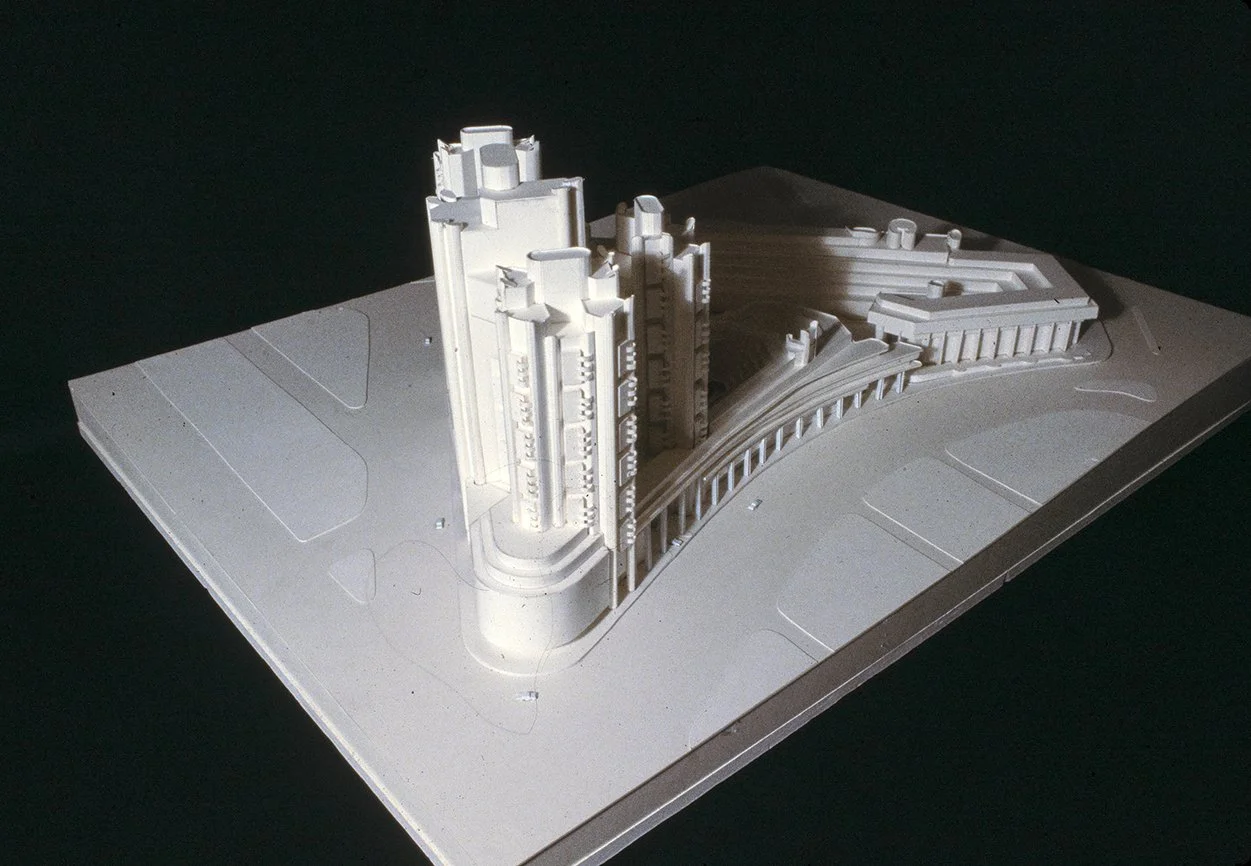
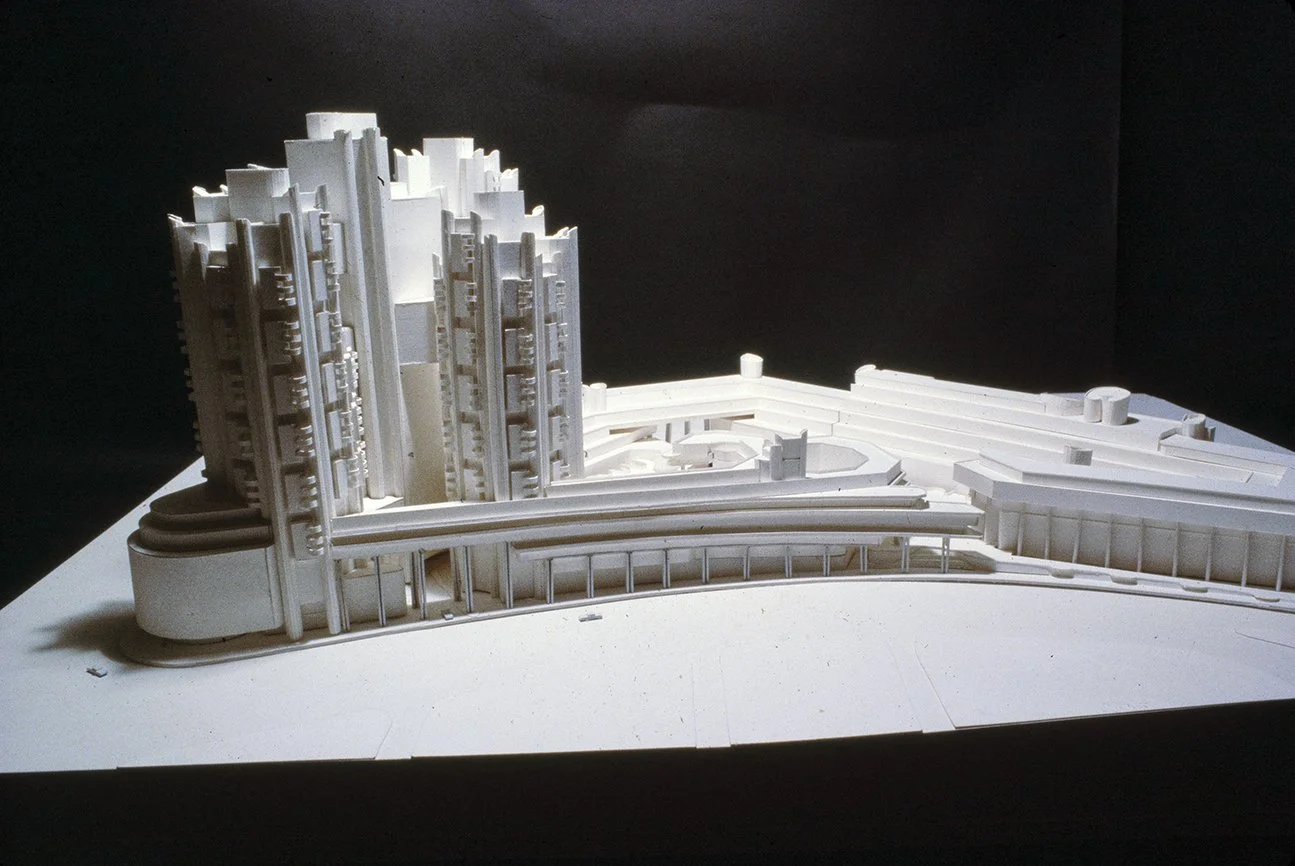
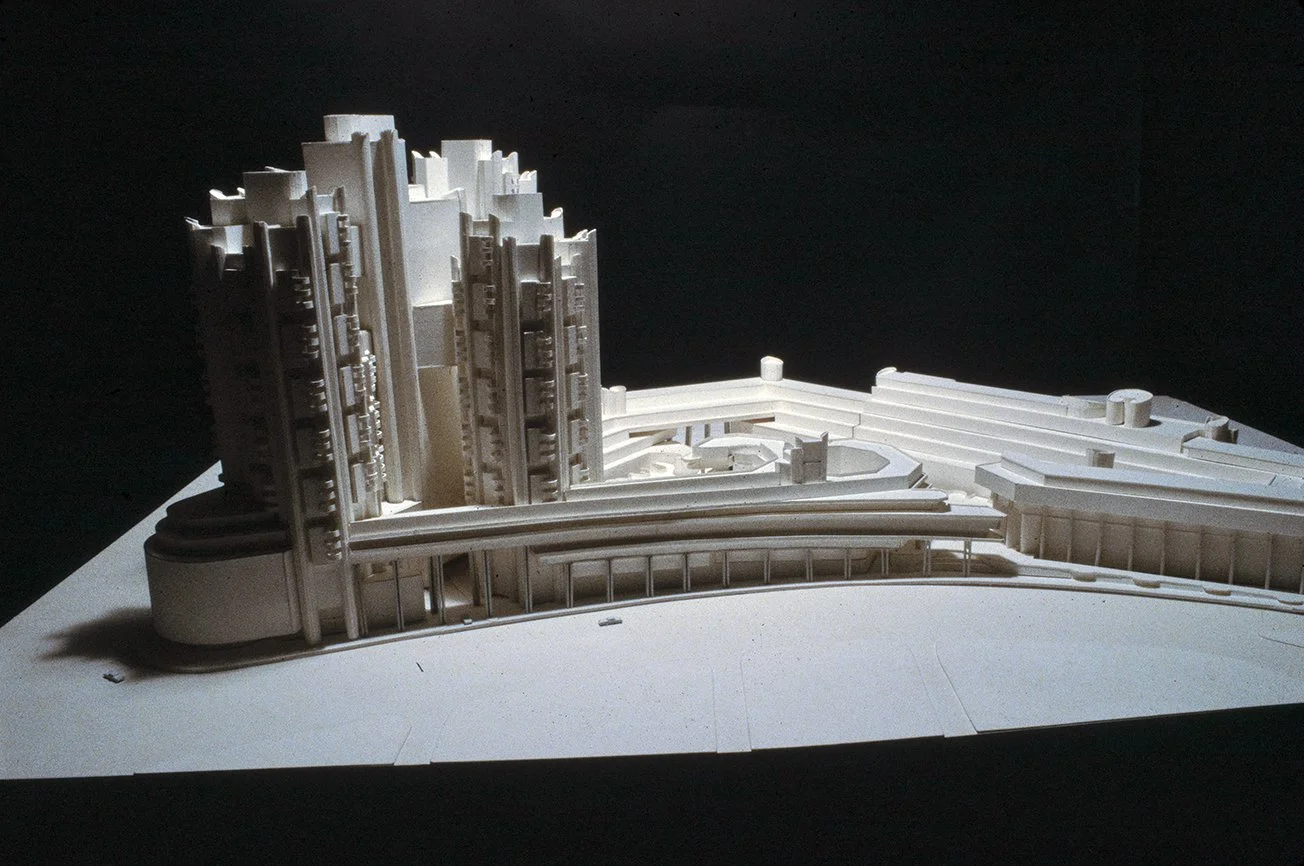
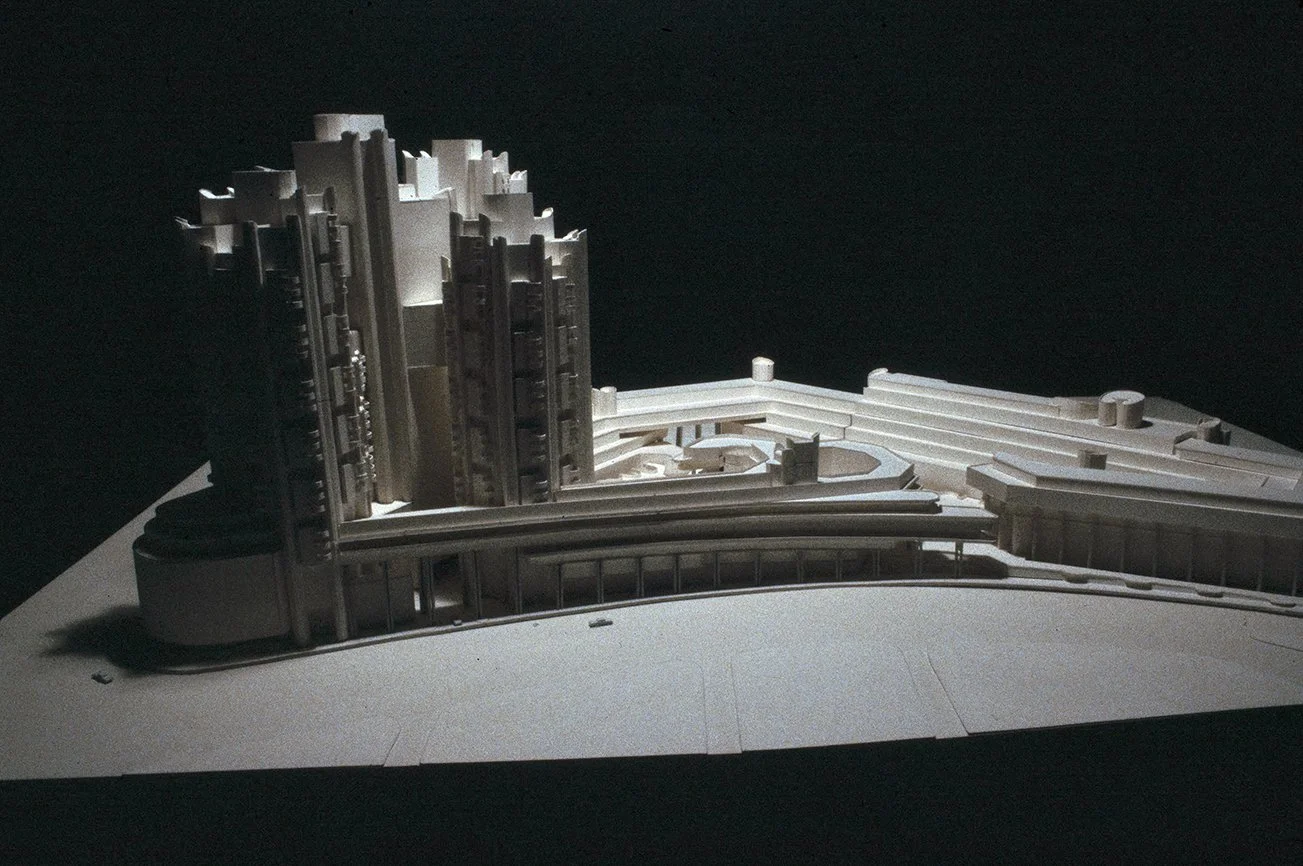
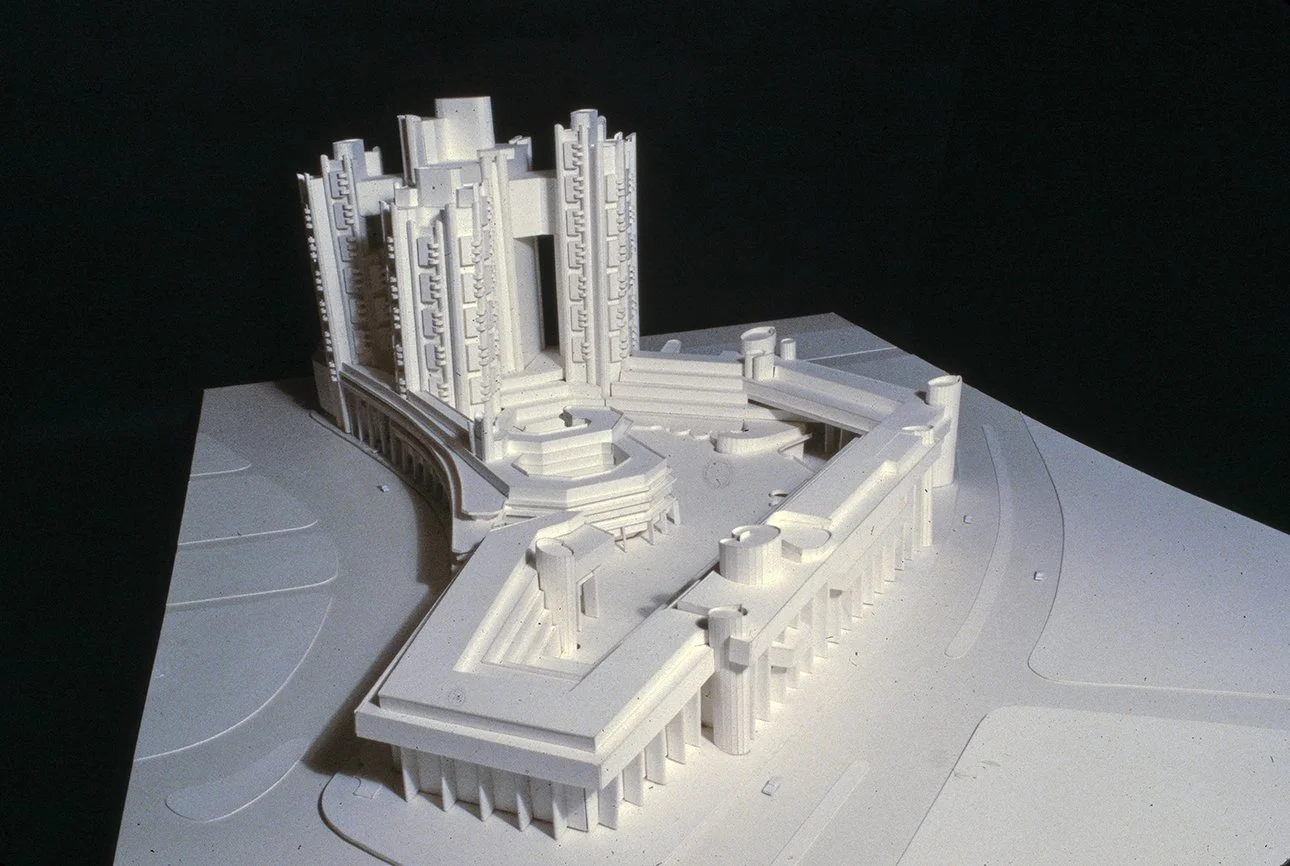
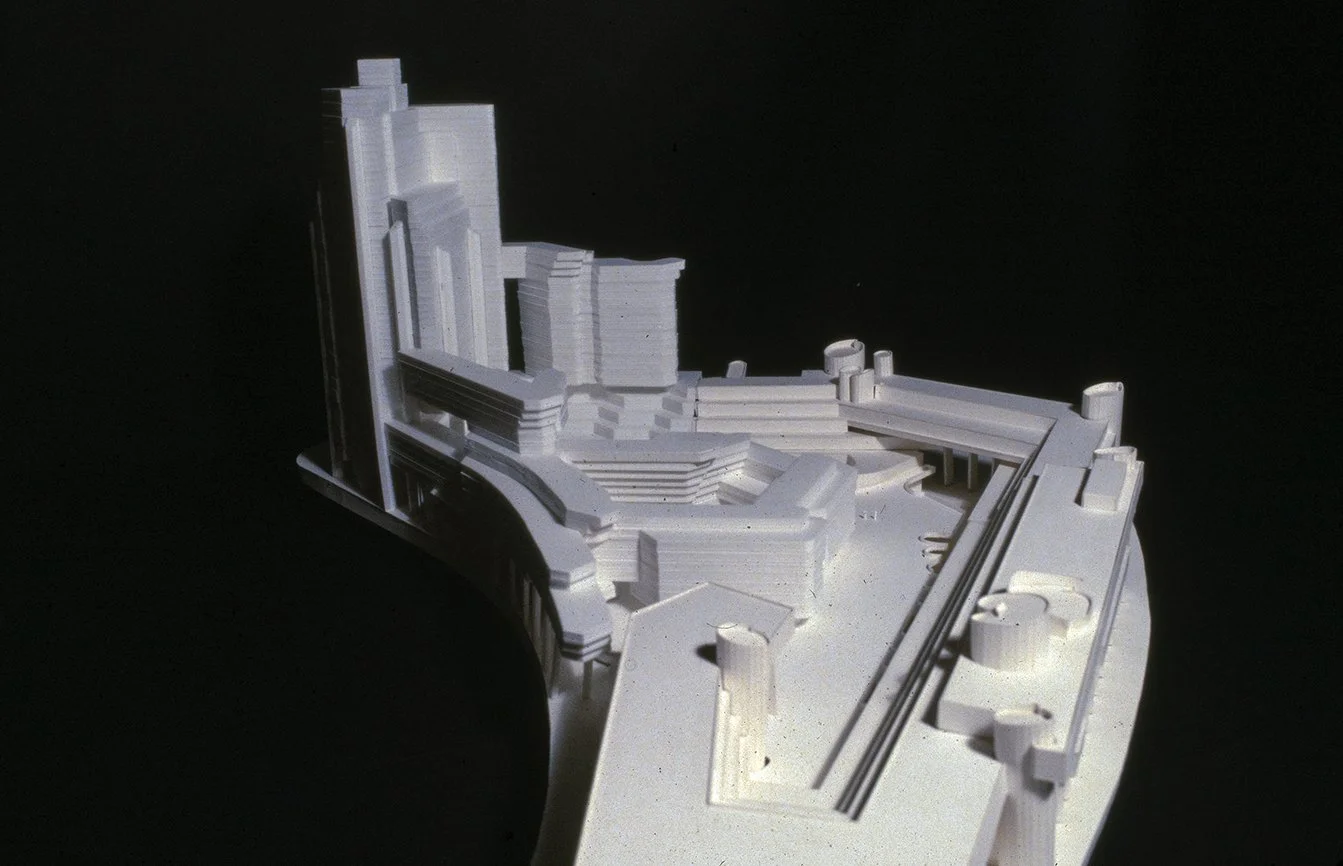
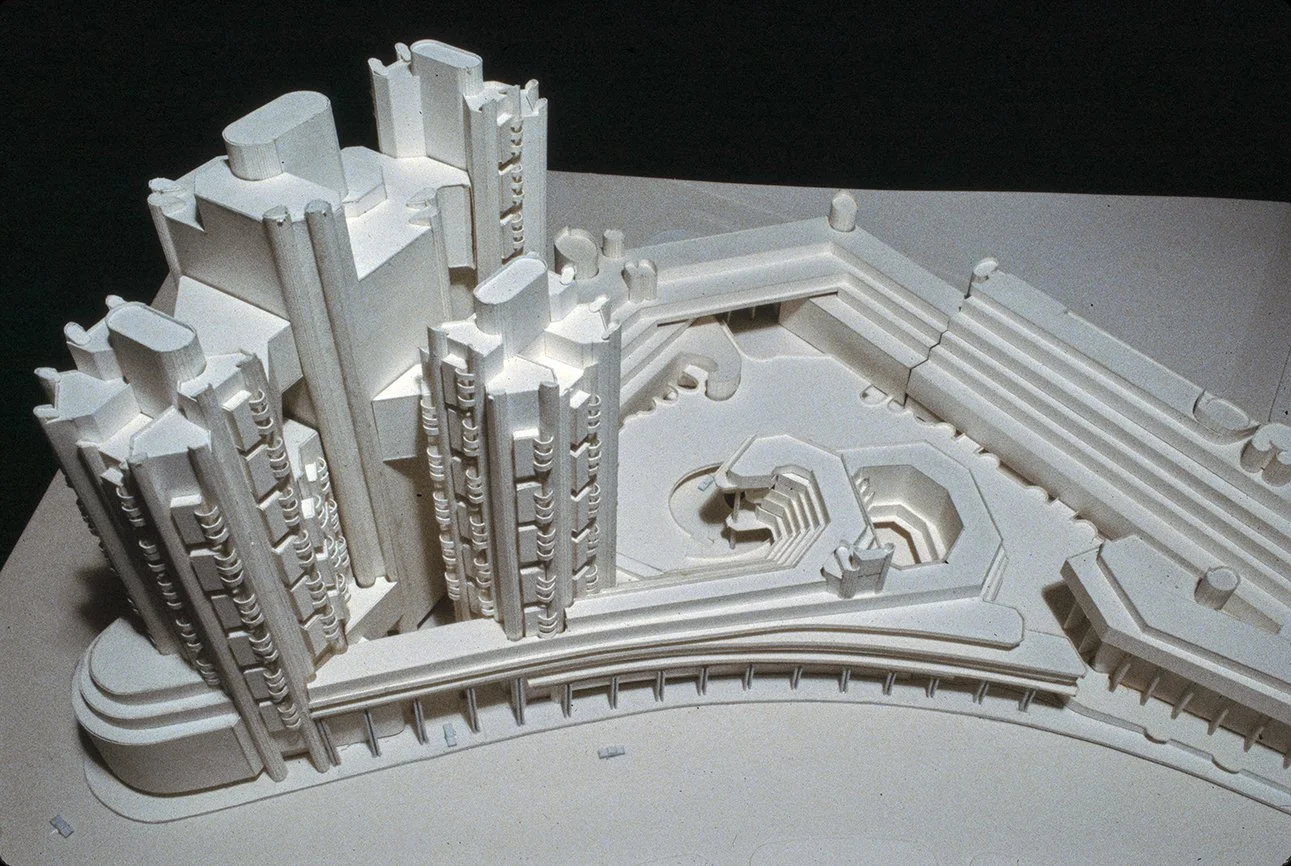
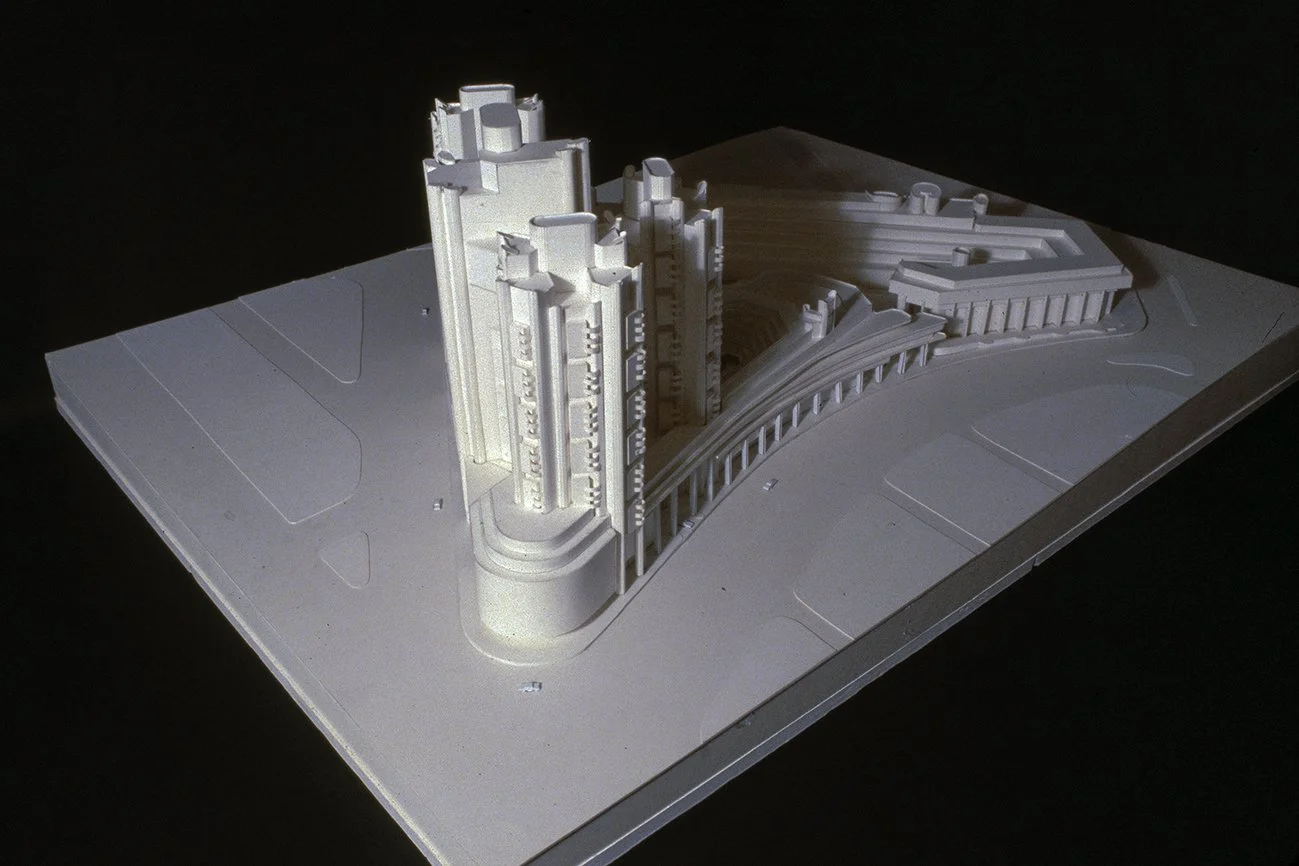
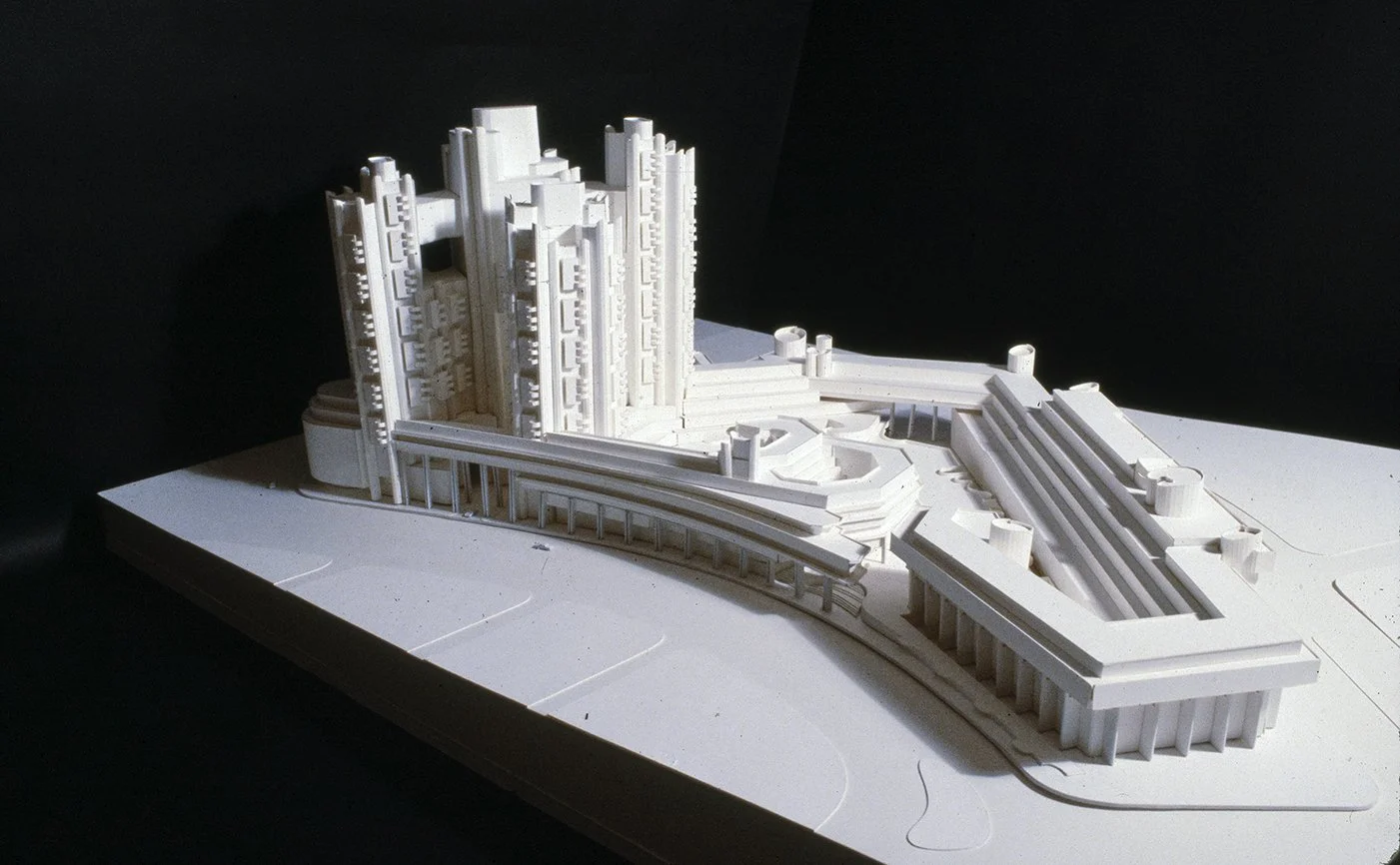
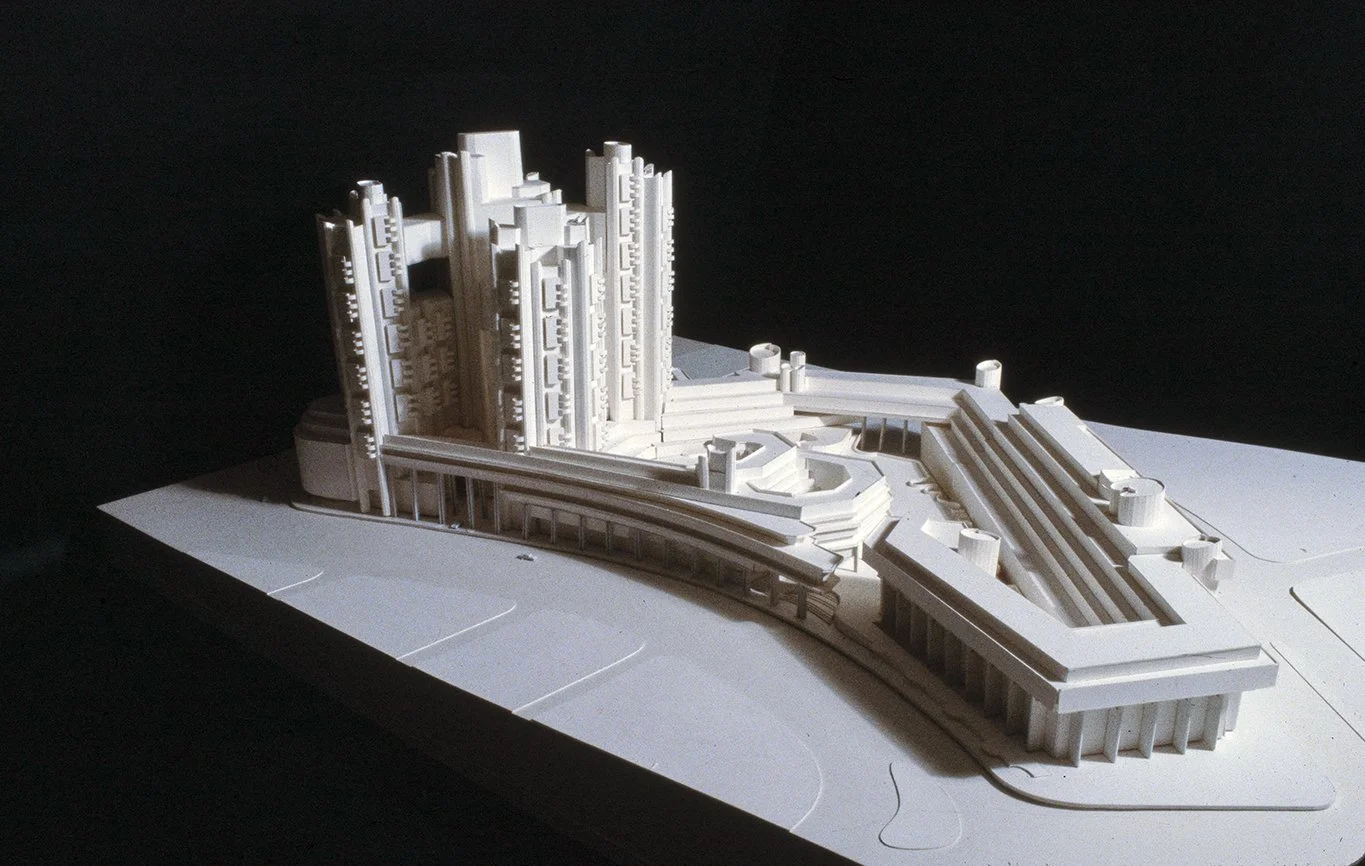
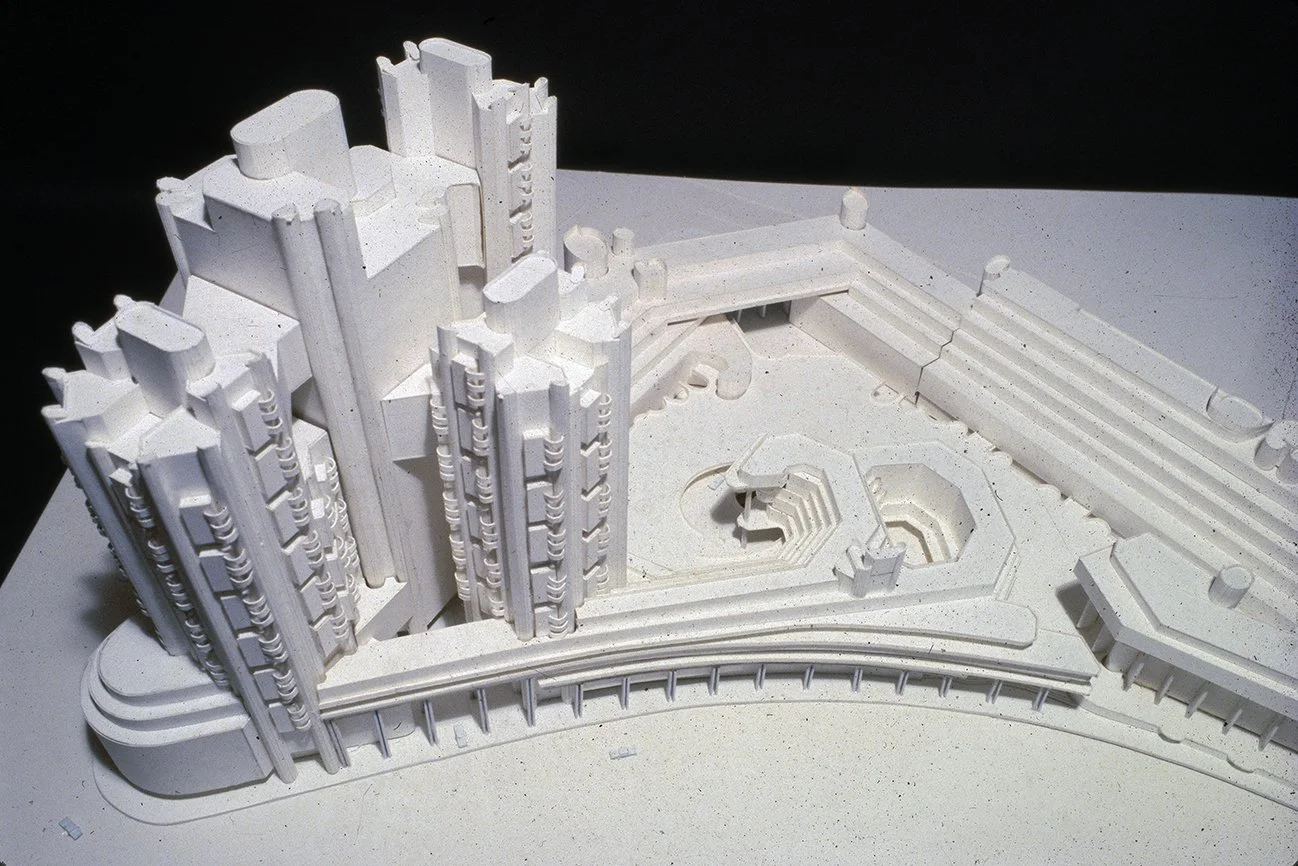
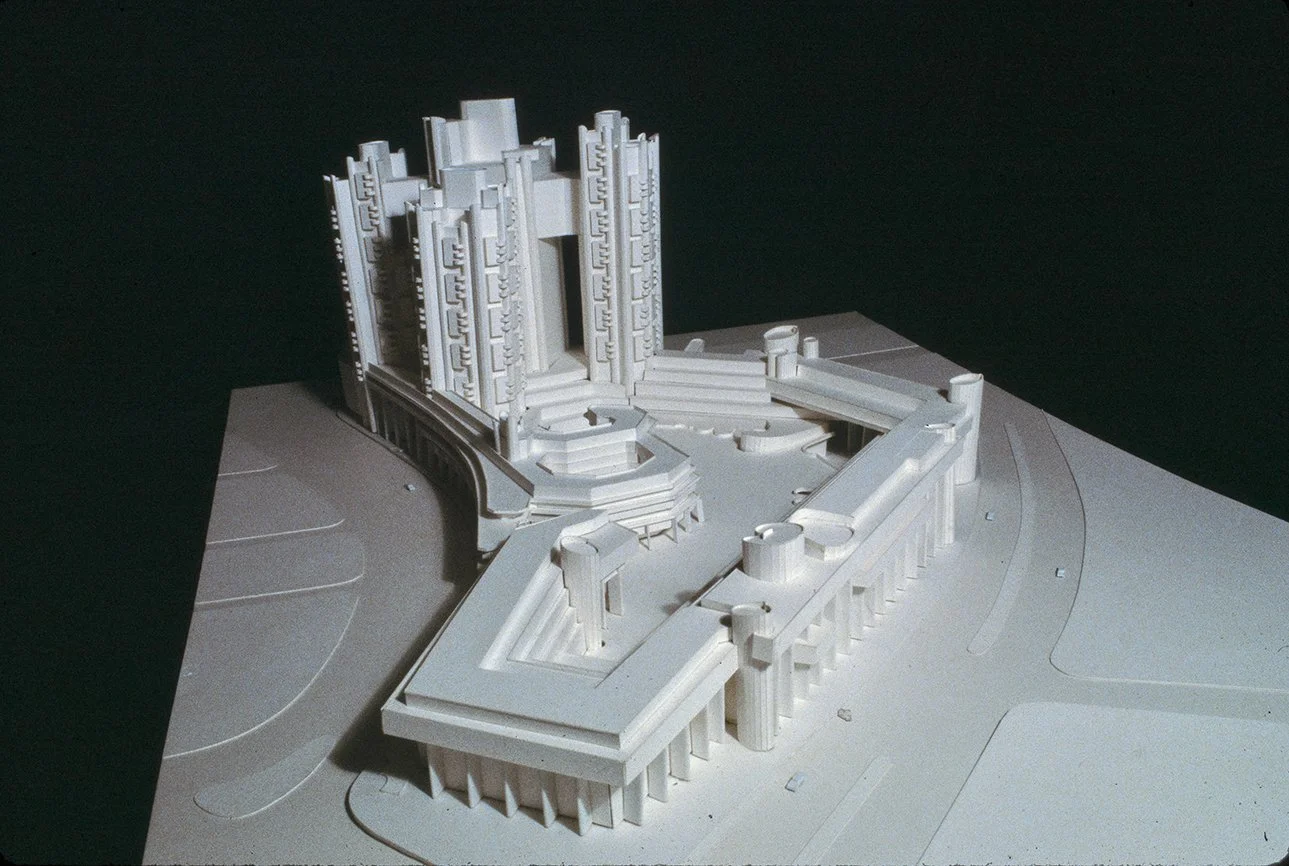
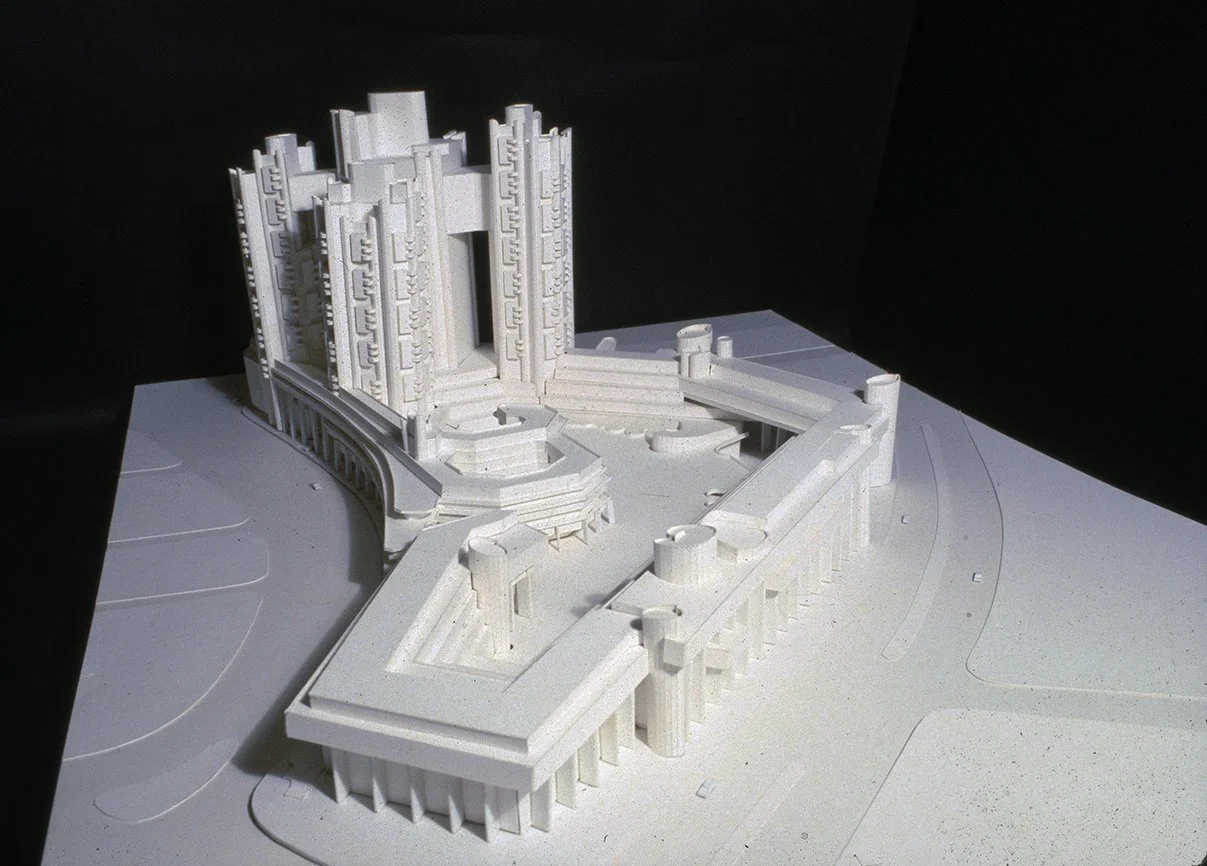
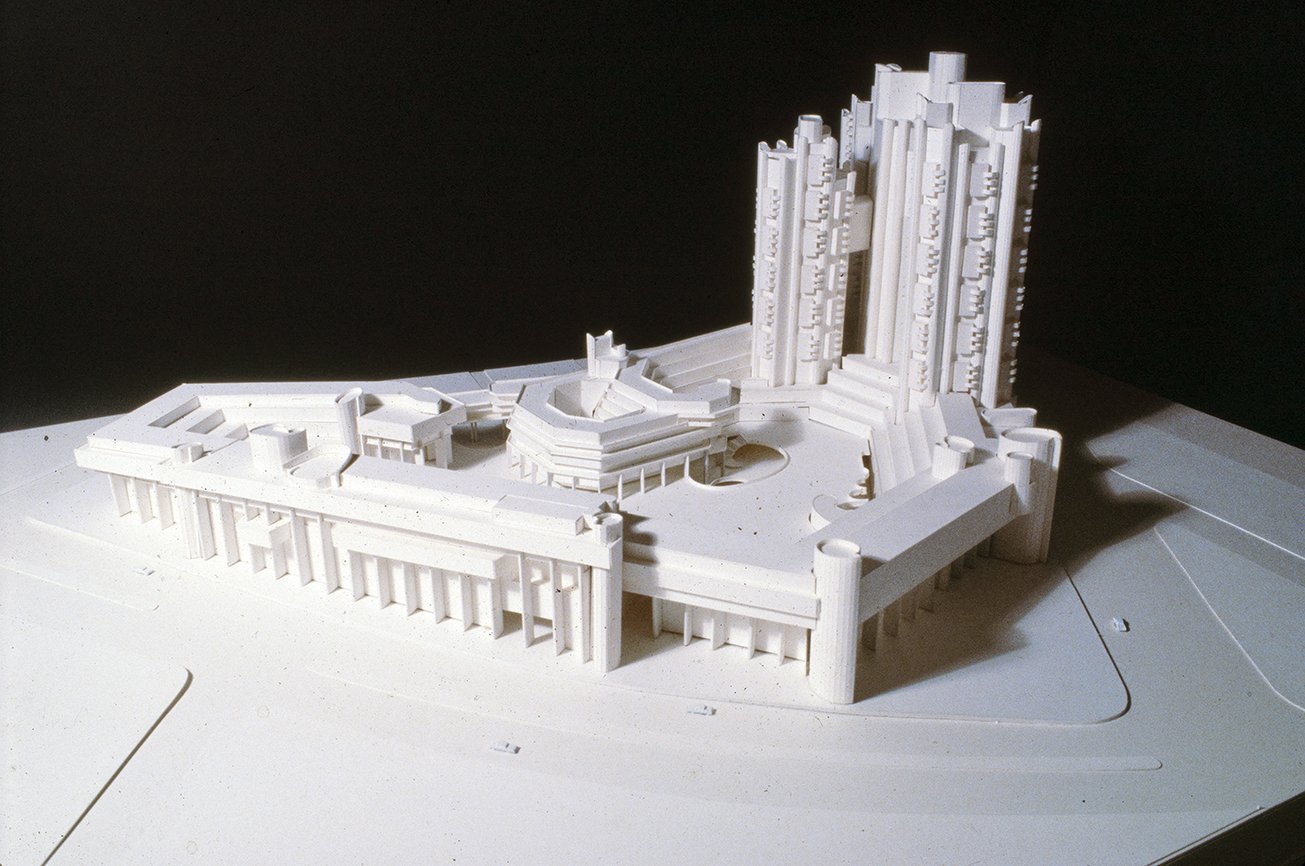
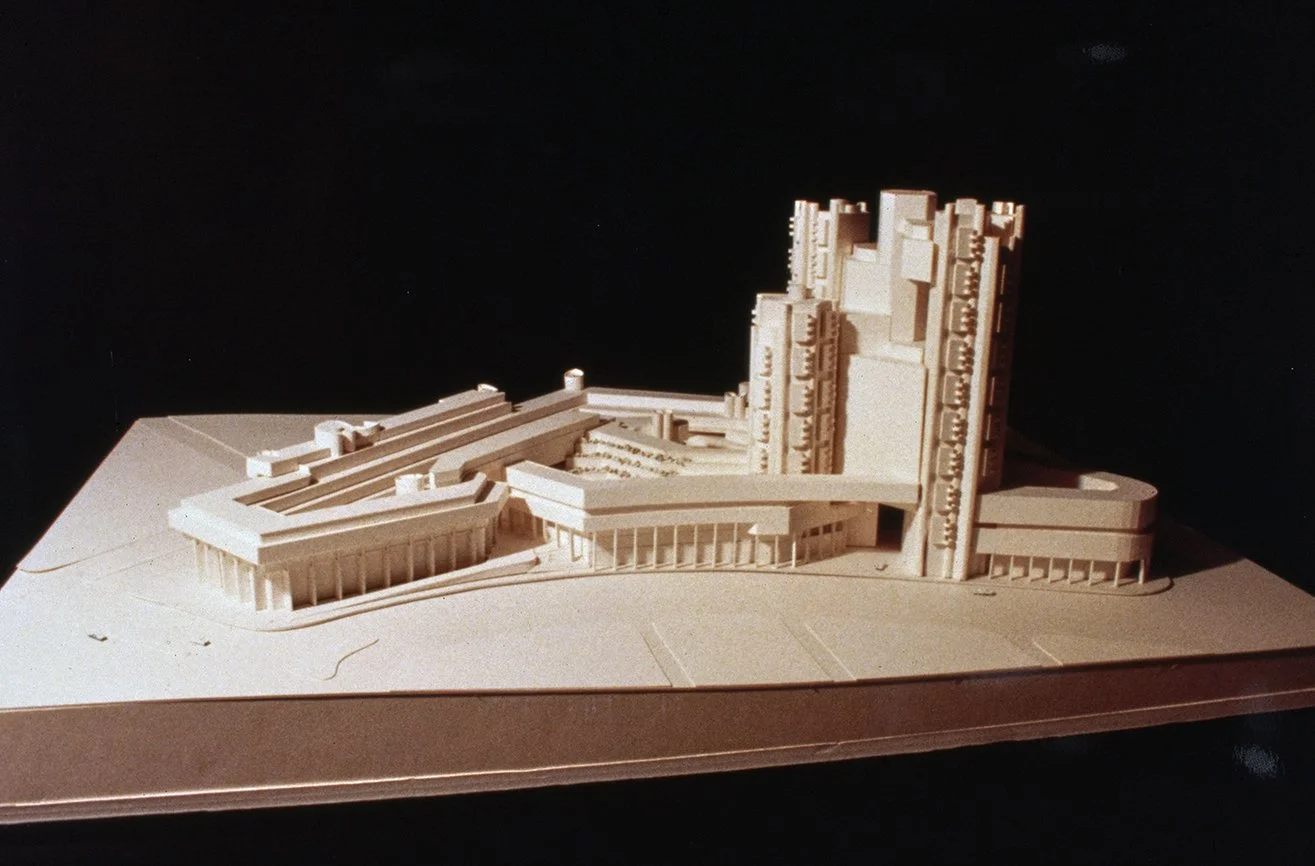
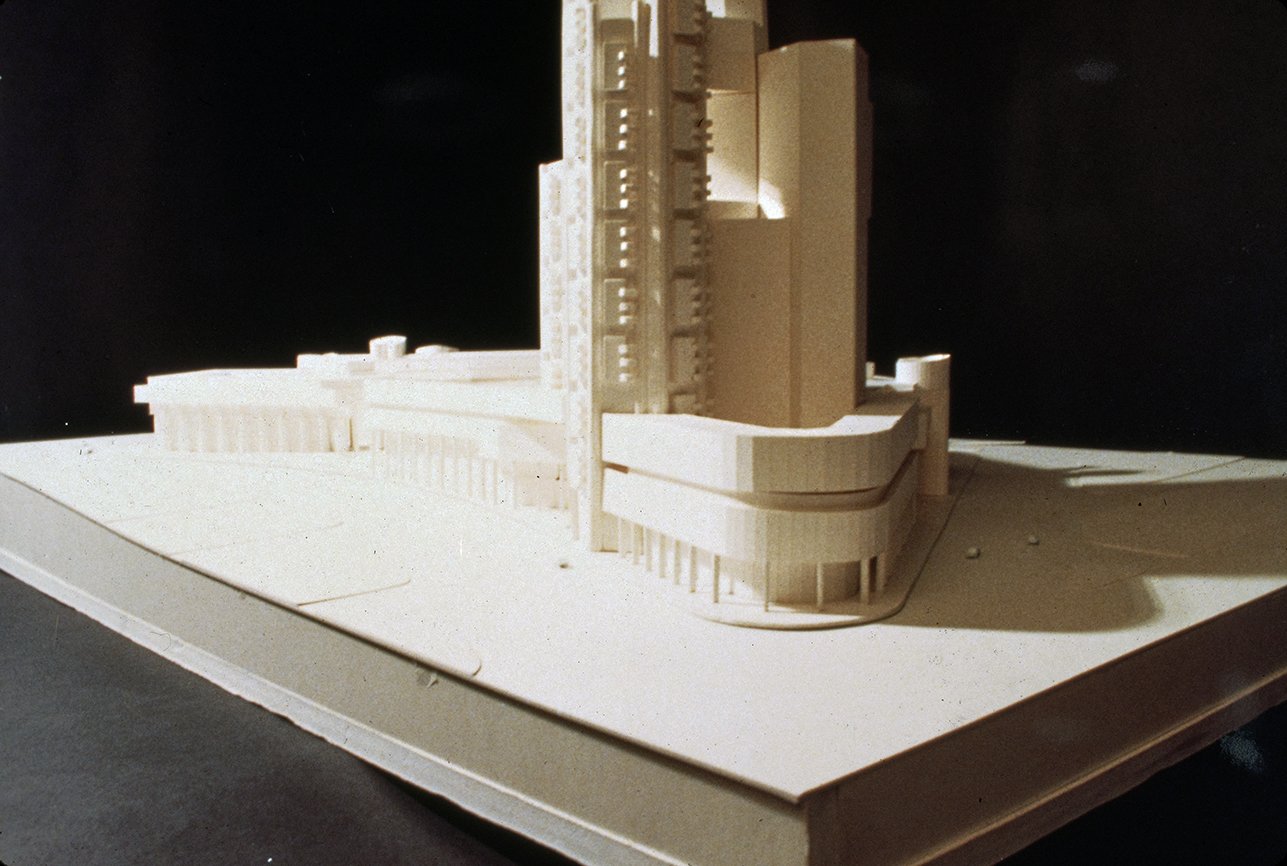
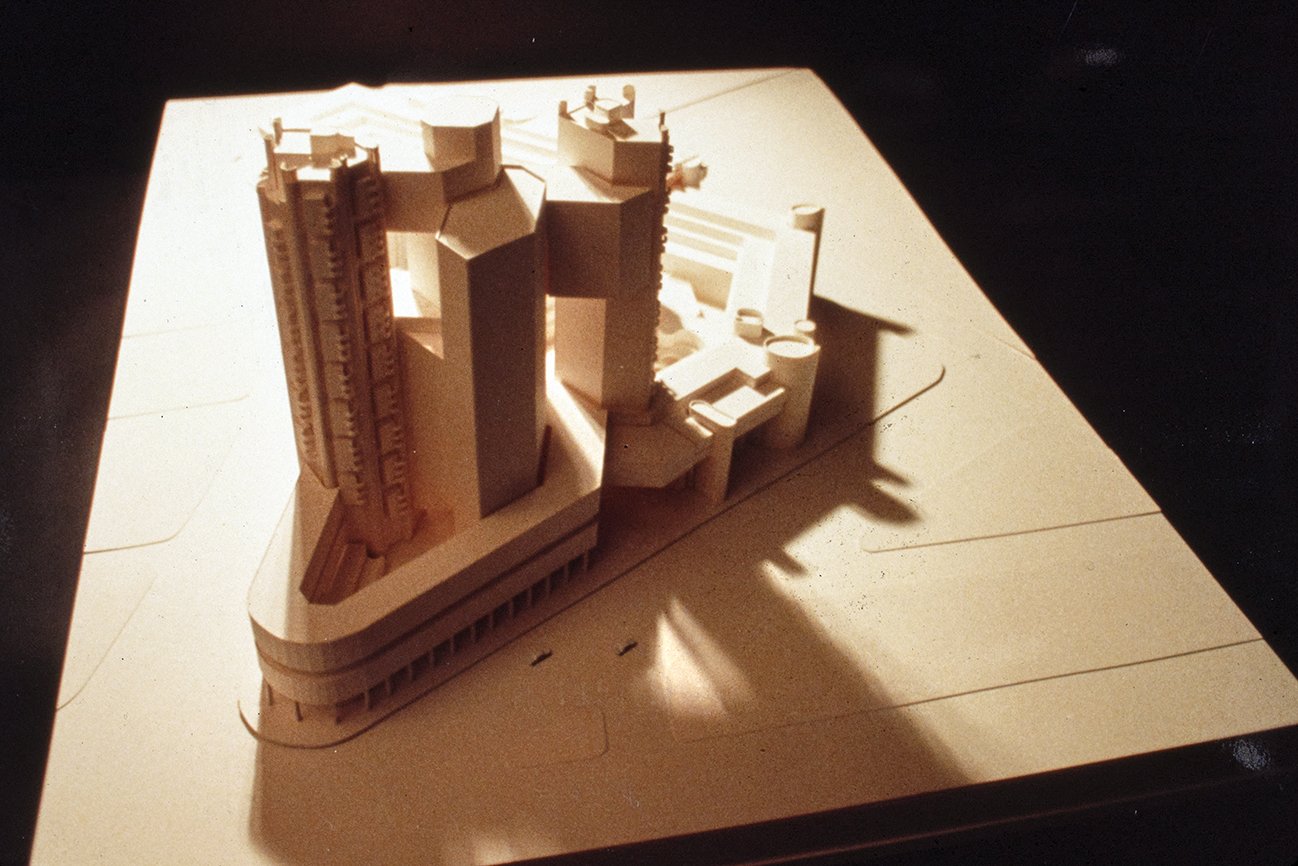
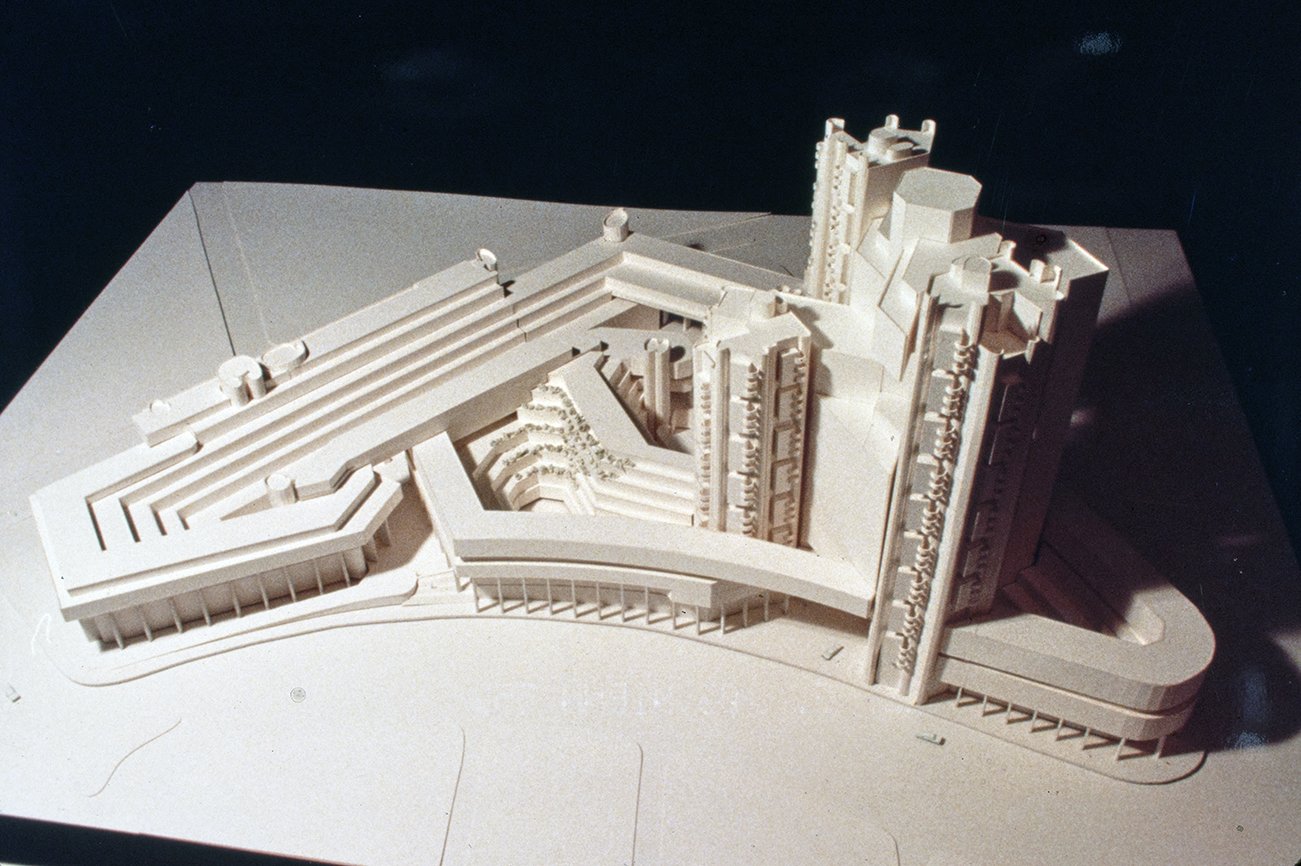
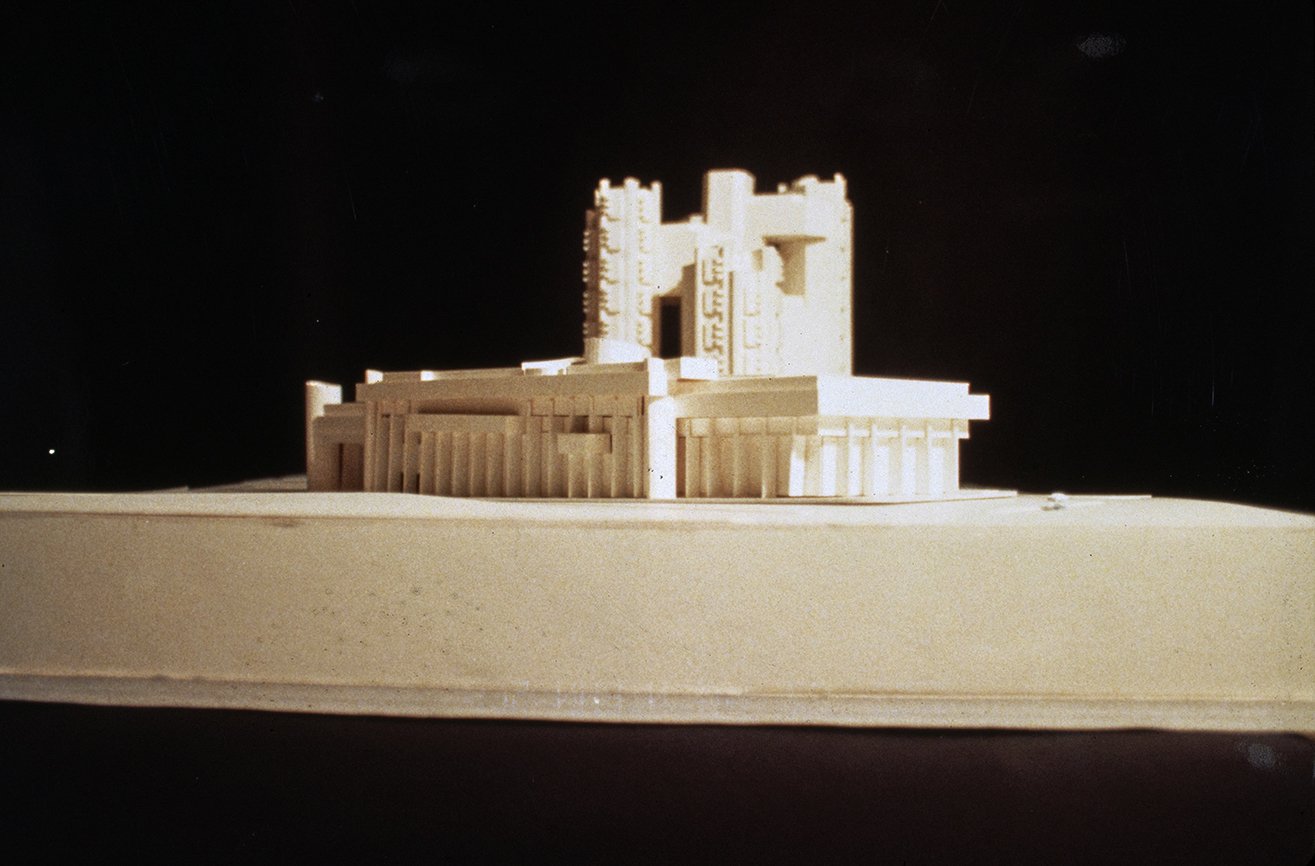
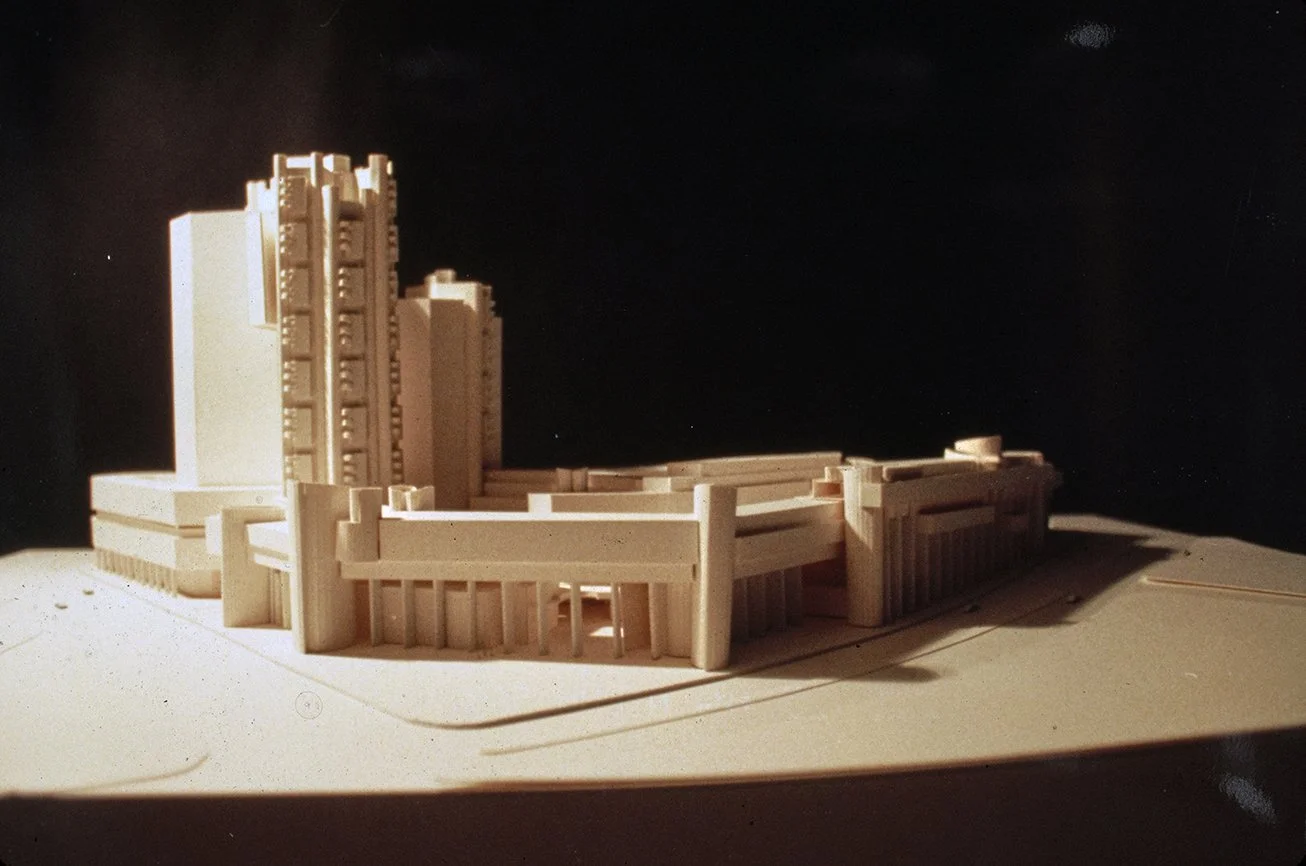
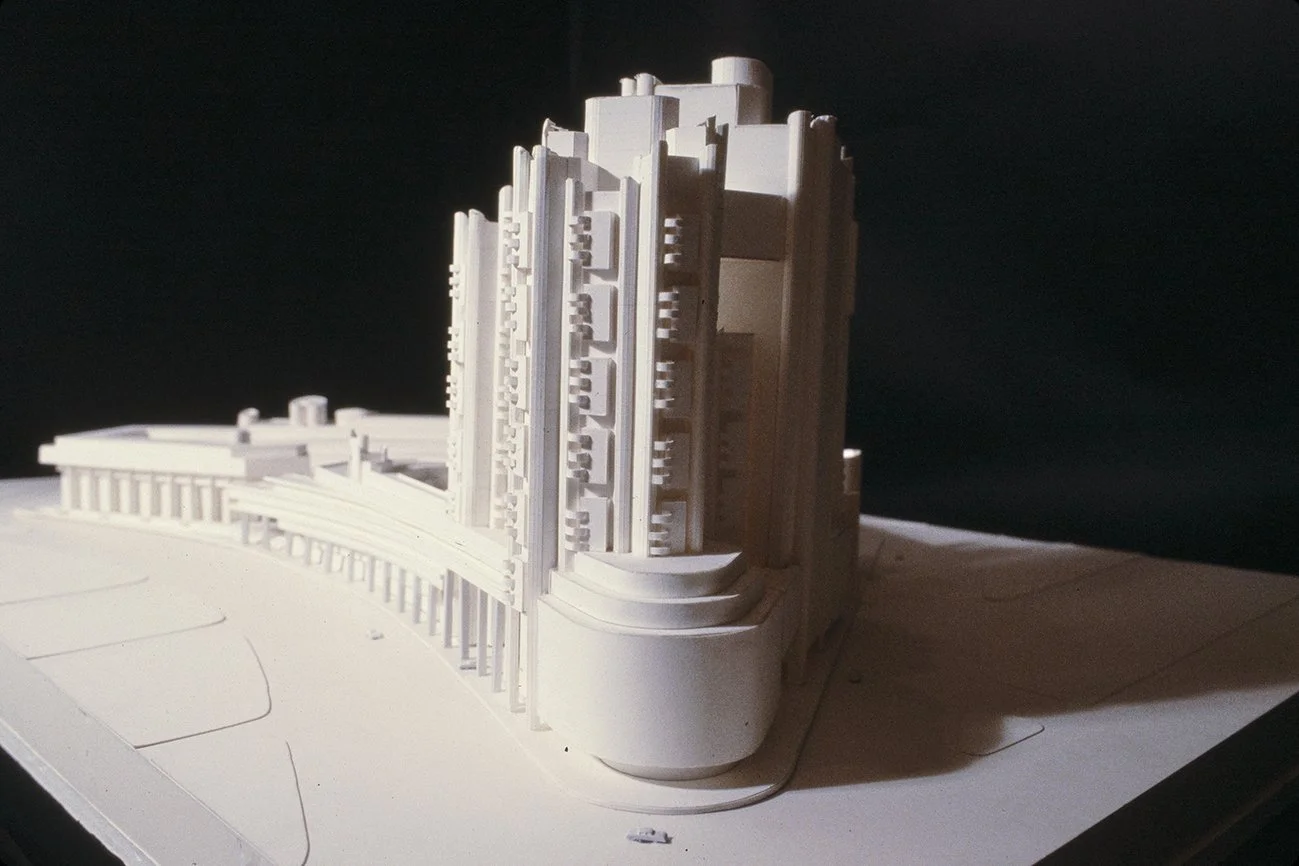
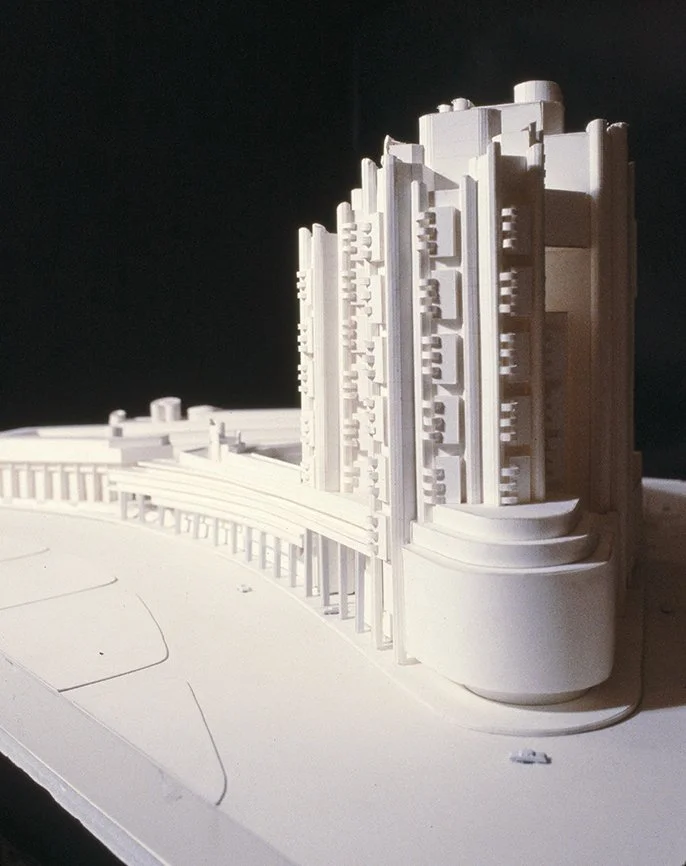
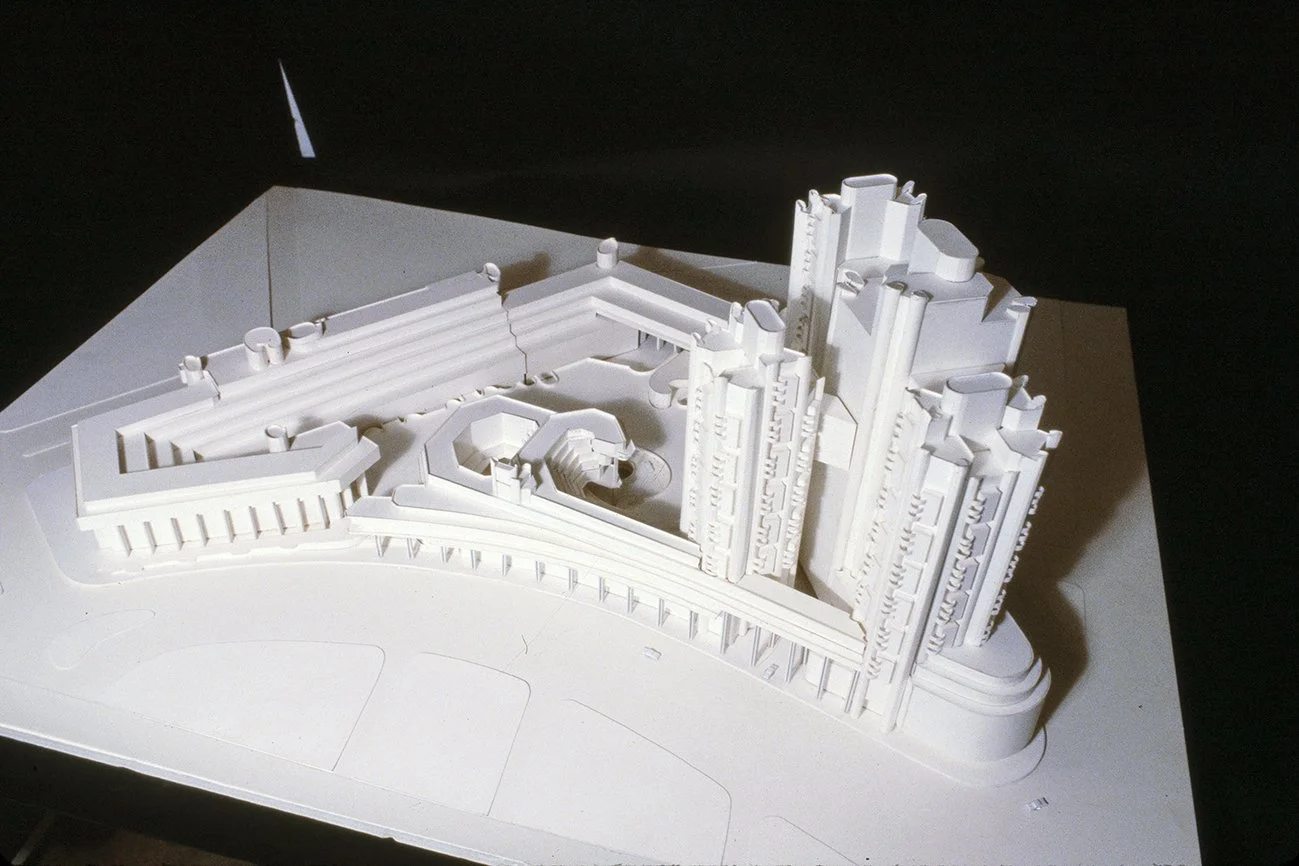
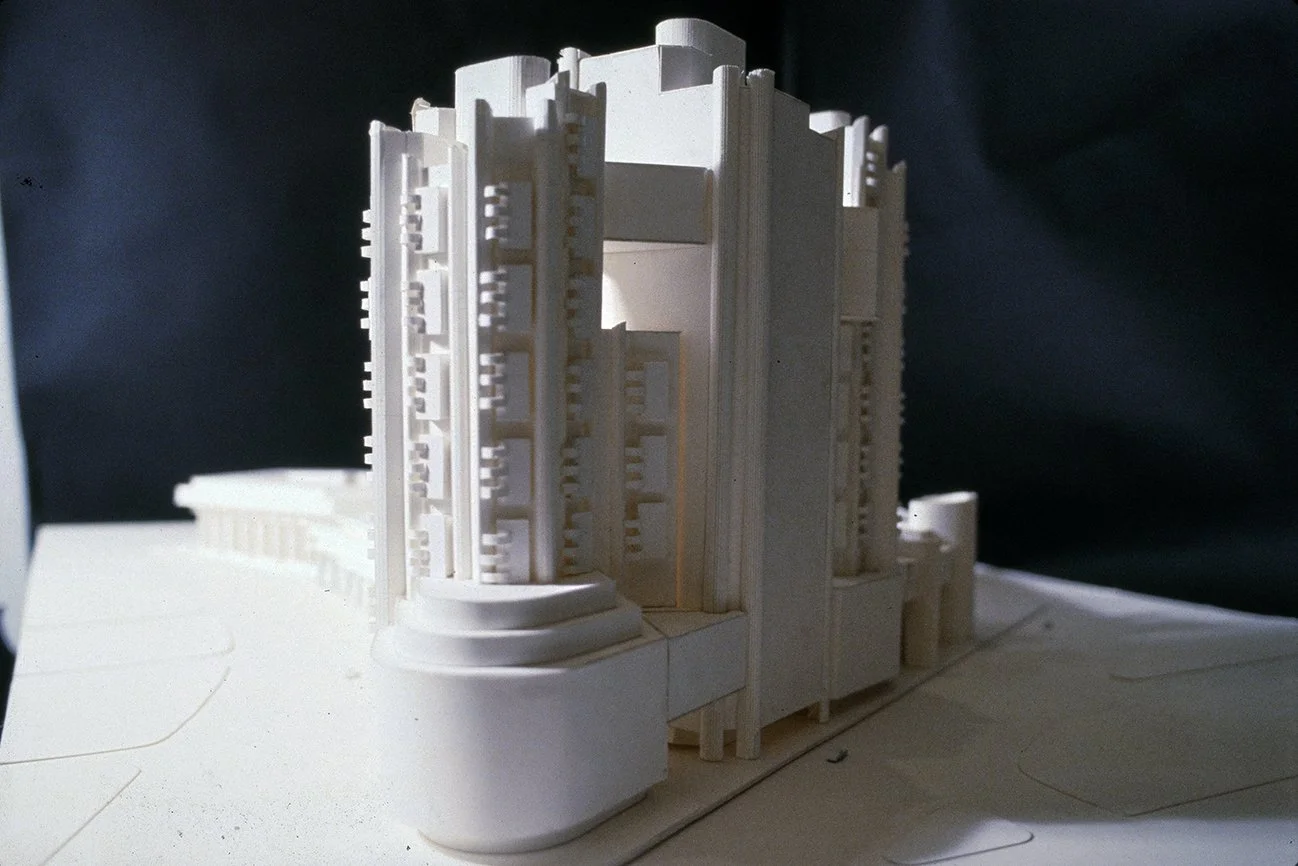
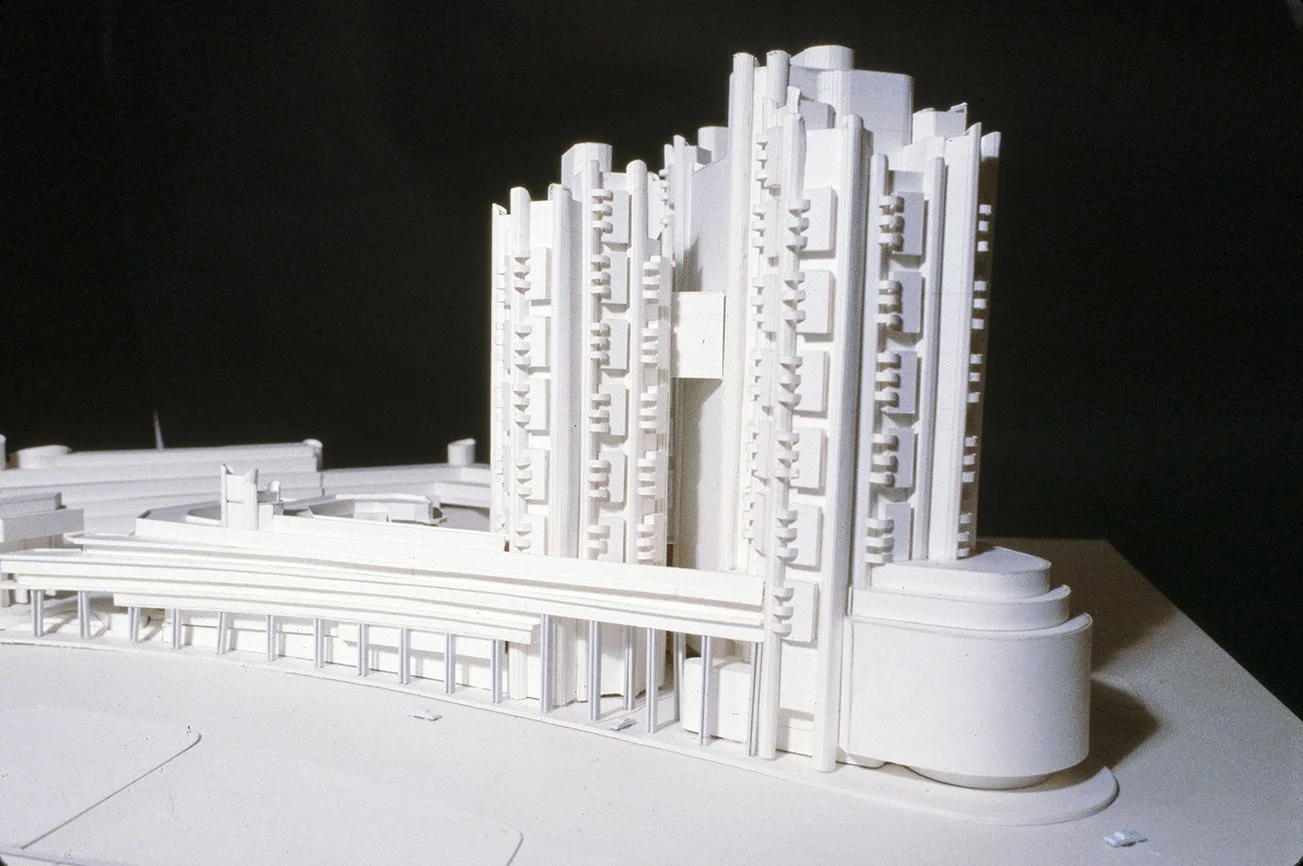
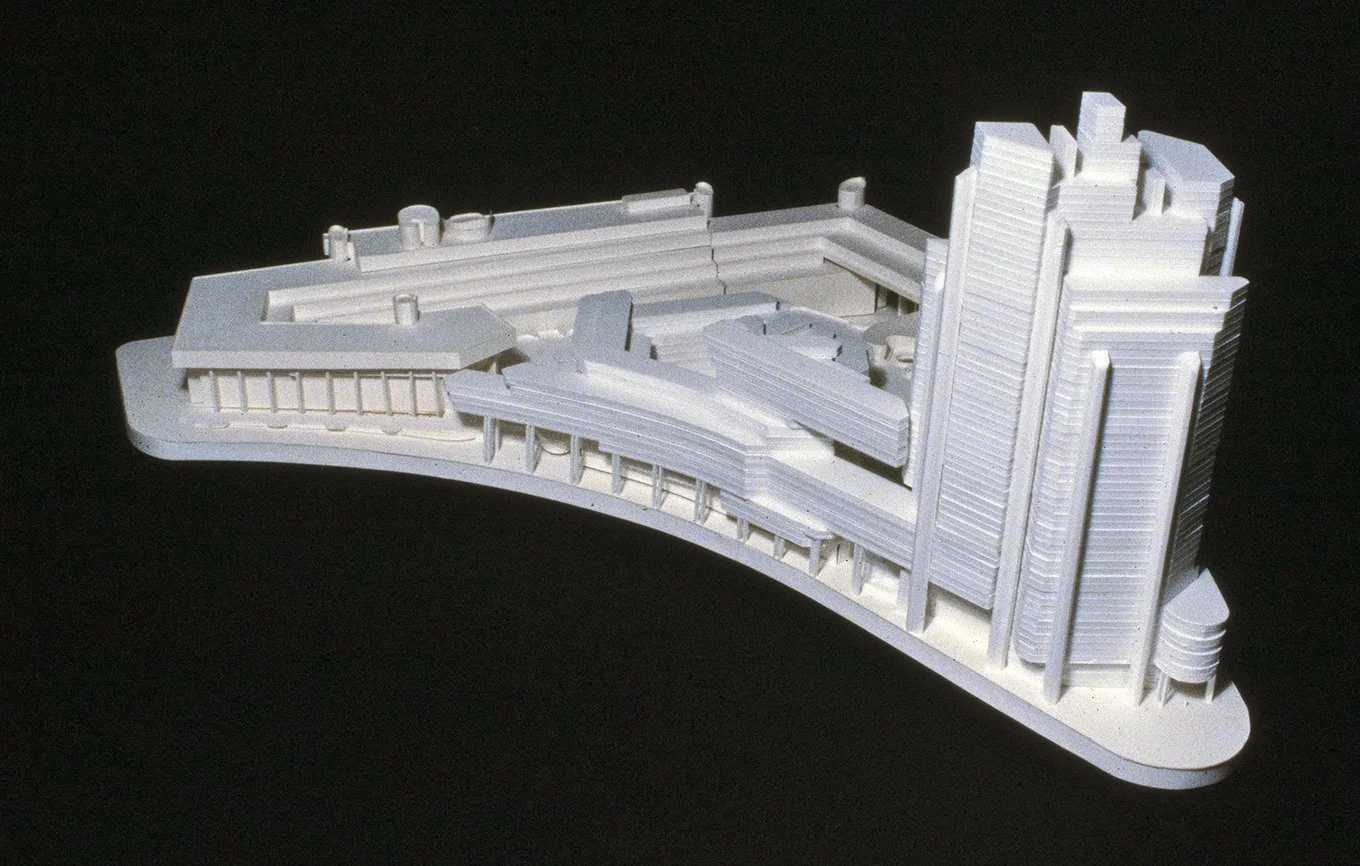
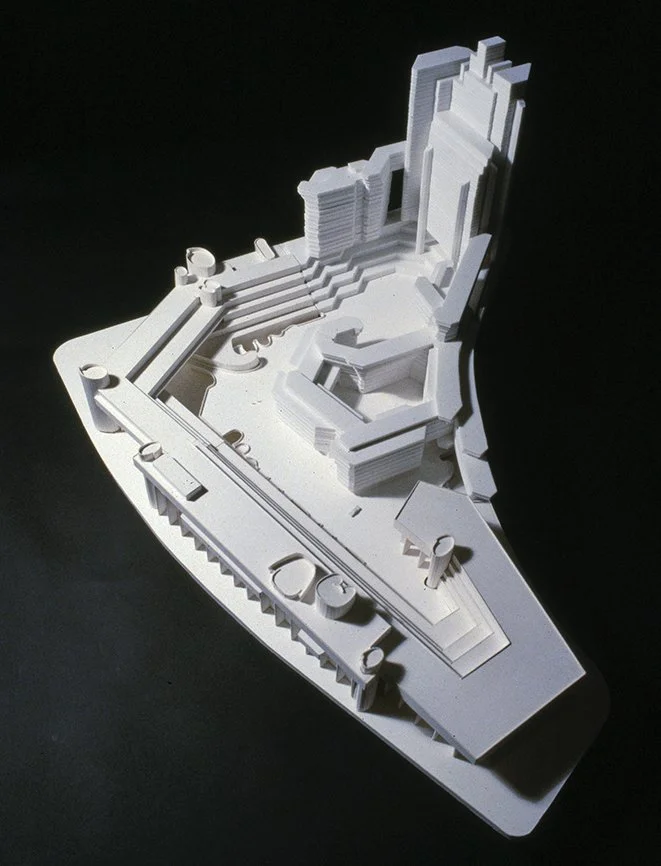
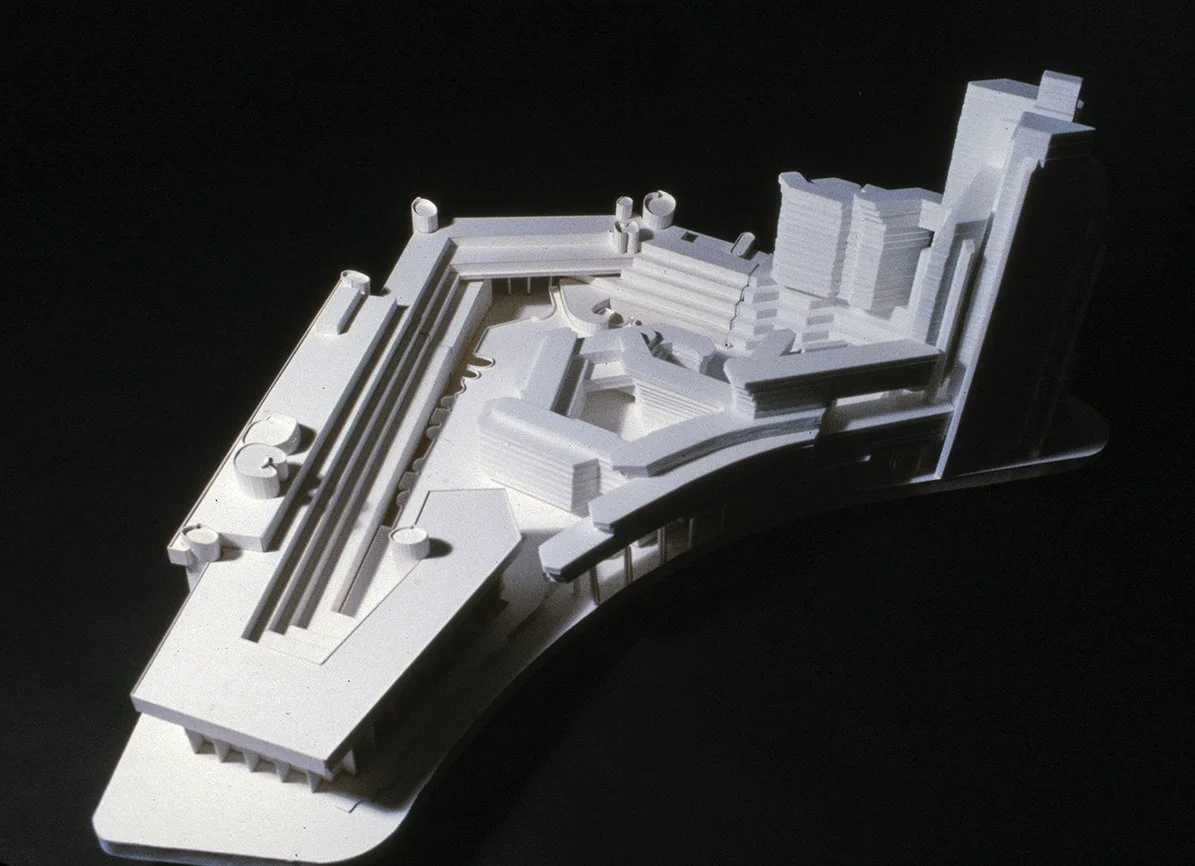
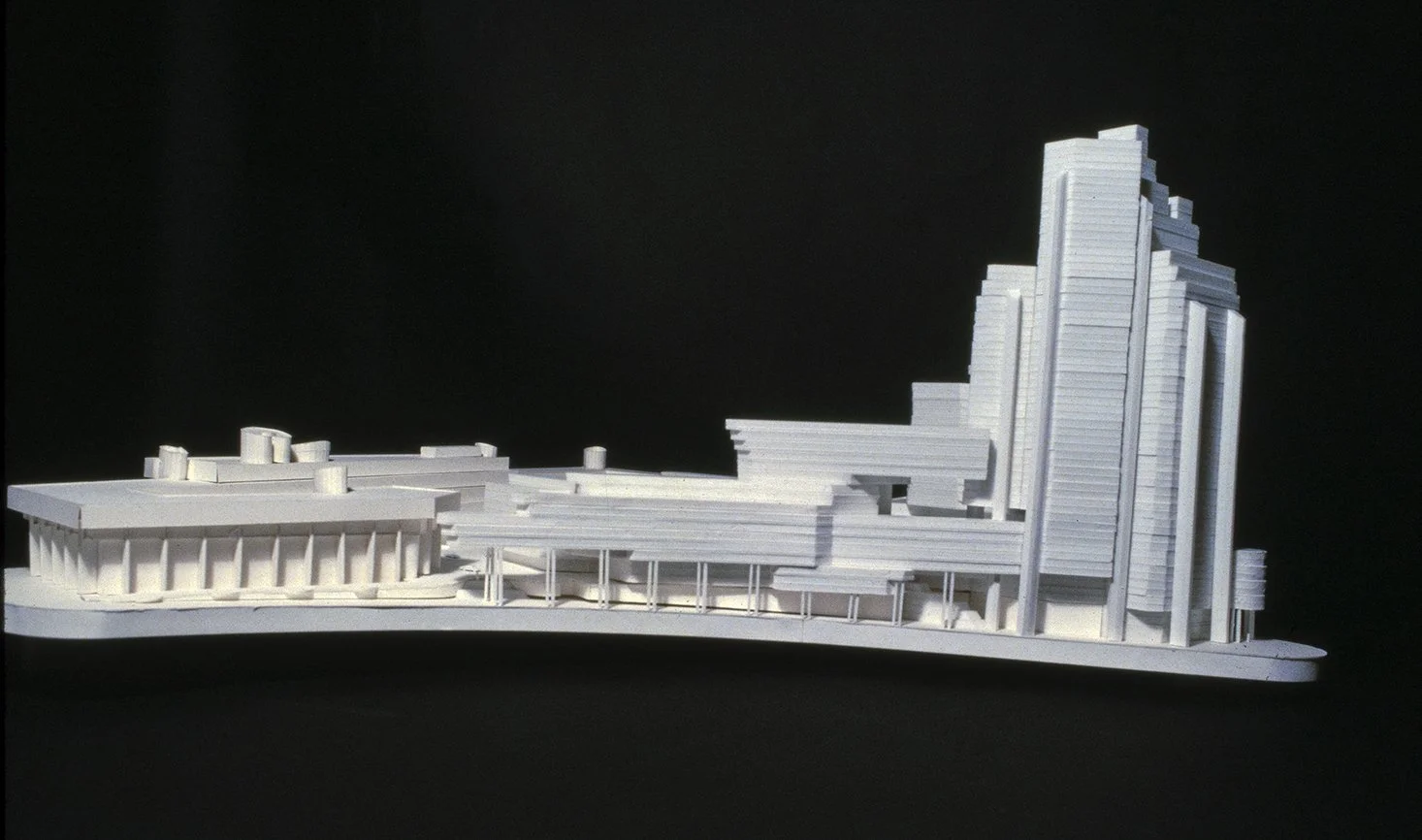
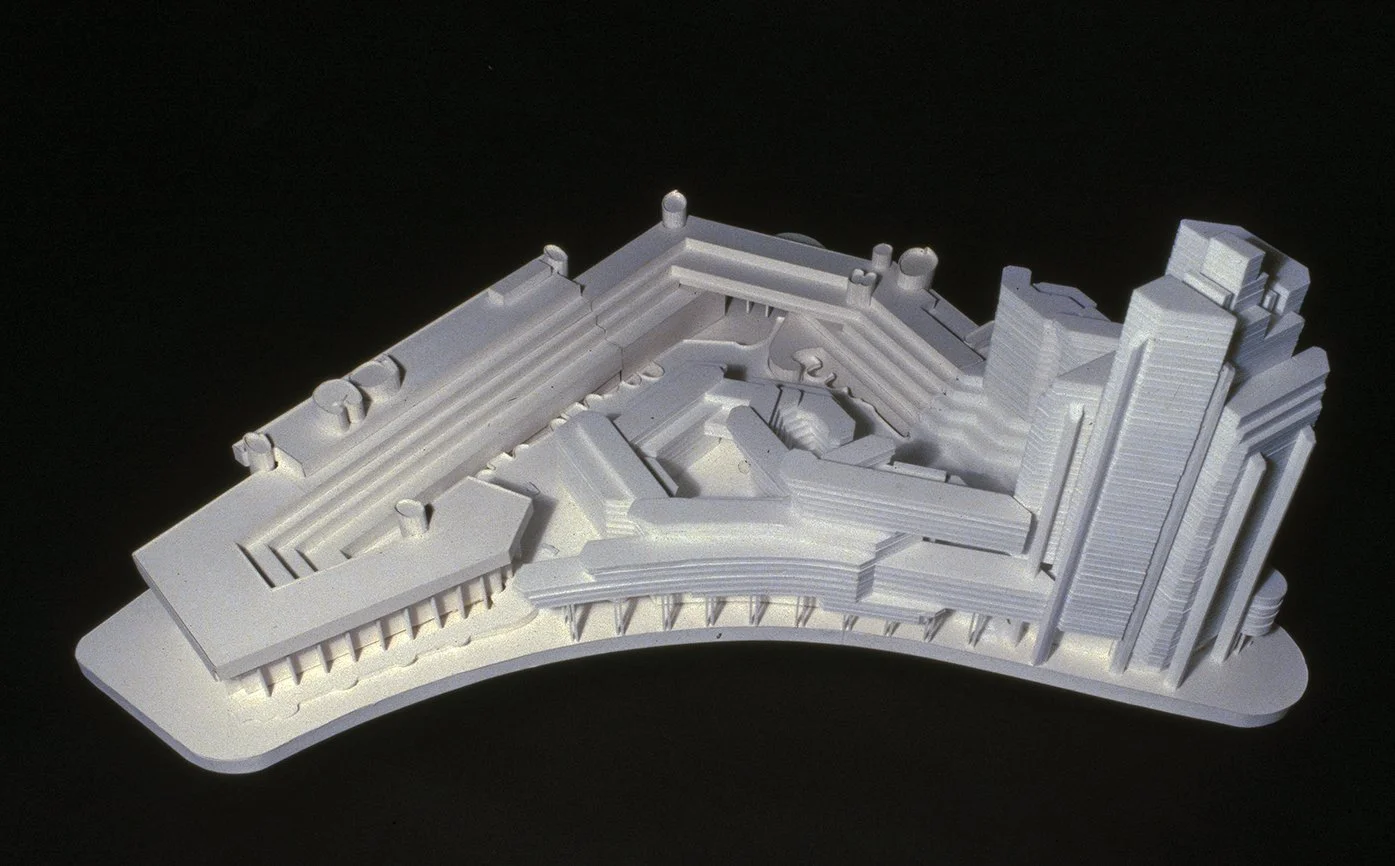
PHOTOS - During Construction

PHOTOS - Completed Project

PHOTOS - Current Conditions

LINKS FOR MORE INFORMATION
RELATED DOWNLOADS
PROJECT BIBLIOGRAPHY
“Budget Fight Shifts to House.” The Transcript [North Adams, Masssachusetts], 22 June 1981.
“Building Site at 20 Years: Vacant Lot.” The Telegraph [Nashua, NH], 26 Mar. 1983.
David Nyhan. “When Politics Clash with an Affordable-Housing Plan.” Boston Globe [Boston, Massachusetts], 26 June 1990.
Jerry Ackerman. “Time Catches up with the New Boston.” Boston Globe [Boston, Massachusetts], 24 Dec. 1989.
Lizabeth Cohen. Saving America’s Cities: Ed Logue and the Struggle to Renew Urban America. Farrar, Strauss and Giroux, 2019.