
Welcome to the Archives of The Paul Rudolph Institute for Modern Architecture. The purpose of this online collection is to function as a tool for scholars, students, architects, preservationists, journalists and other interested parties. The archive consists of photographs, slides, articles and publications from Rudolph’s lifetime; physical drawings and models; personal photos and memorabilia; and contemporary photographs and articles.
Some of the materials are in the public domain, some are offered under Creative Commons, and some are owned by others, including the Paul Rudolph Estate. Please speak with a representative of The Paul Rudolph Institute for Modern Architecture before using any drawings or photos in the Archives. In all cases, the researcher shall determine how to appropriately publish or otherwise distribute the materials found in this collection, while maintaining appropriate protection of the applicable intellectual property rights.
In his will, Paul Rudolph gave his Architectural Archives (including drawings, plans, renderings, blueprints, models and other materials prepared in connection with his professional practice of architecture) to the Library of Congress Trust Fund following his death in 1997. A Stipulation of Settlement, signed on June 6, 2001 between the Paul Rudolph Estate and the Library of Congress Trust Fund, resulted in the transfer of those items to the Library of Congress among the Architectural Archives, that the Library of Congress determined suitable for its collections. The intellectual property rights of items transferred to the Library of Congress are in the public domain. The usage of the Paul M. Rudolph Archive at the Library of Congress and any intellectual property rights are governed by the Library of Congress Rights and Permissions.
However, the Library of Congress has not received the entirety of the Paul Rudolph architectural works, and therefore ownership and intellectual property rights of any materials that were not selected by the Library of Congress may not be in the public domain and may belong to the Paul Rudolph Estate.

LOCATION
Address: 4200 Country Club Road South
City: Winter Haven
State: Florida
Zip Code: 33881
Nation: United States
STATUS
Type: Leisure & Sport
Status: Demolished
TECHNICAL DATA
Date(s): 1958-1960
Site Area: 196 acres
Floor Area:
Height: 18’-0”
Floors (Above Ground): 2
Building Cost: $500,000 (1960) including the pool and adjacent professional golf school
PROFESSIONAL TEAM
Client: Lake Region Golf & Country Club
Architect: Paul Rudolph
Rudolph Staff: Jack Jetton
Associate Architect: Gene Leedy; Harry Merrit
Landscape:
Structural: Sidney L. Barker
MEP: Ebaugh & Goethe
QS/PM:
SUPPLIERS
Contractor: Frank W. Pinkley
Subcontractor(s):
Lake Region Yacht & Country Club
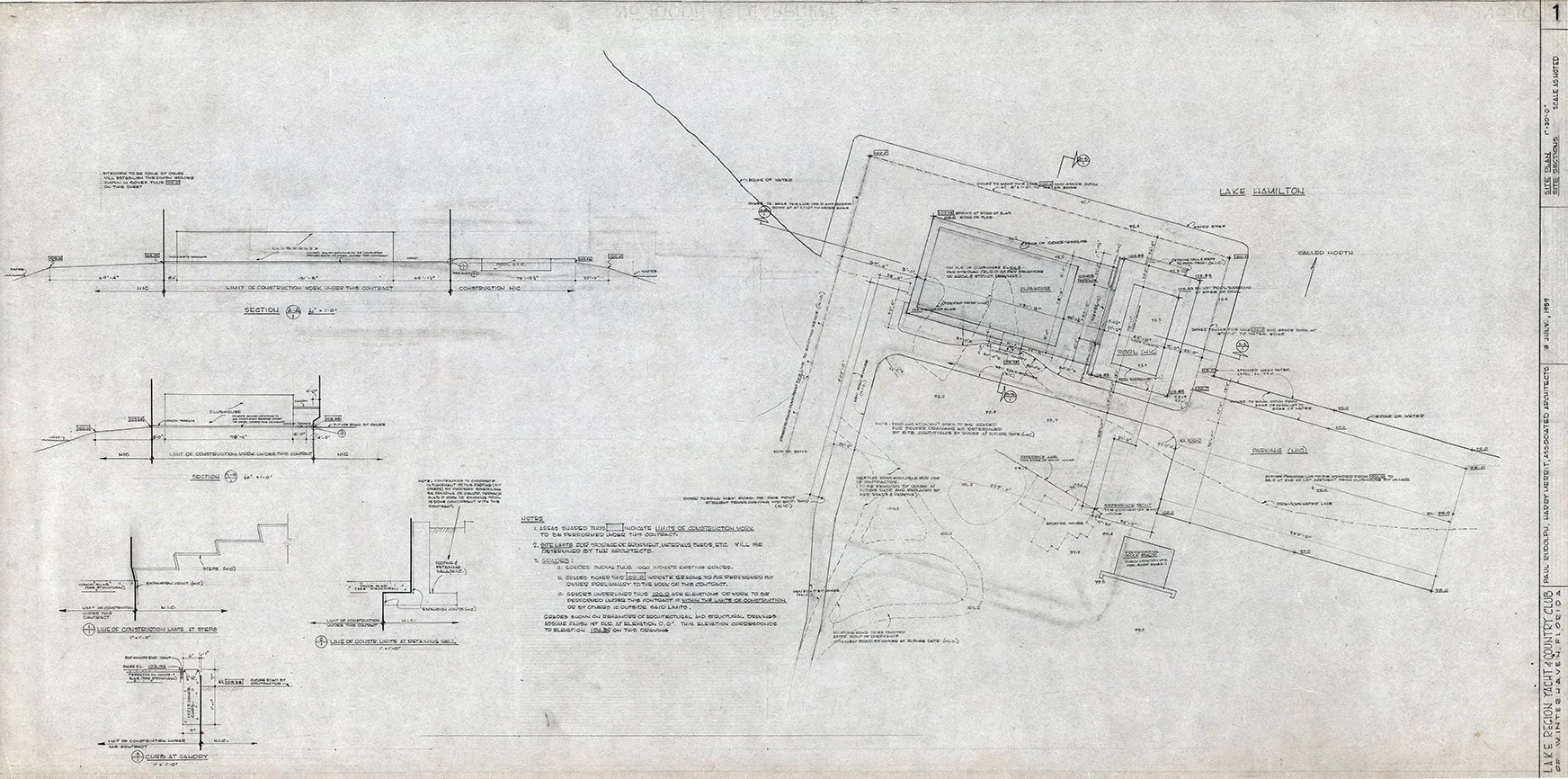
In November 1958, Winter Haven’s new Lake Region Yacht and Country Club makes final arrangements to obtain $325,000 USD to promote a building project that will include a new club building and other recreational facilities on Lake Hamilton, northeast of the city. The club, run by Dr. Richard D. Field, will take over the old facilities of the Lake Region Golf and Country Club. Louis Skidmore, Paul Rudolph and Harry Merritt are chosen to be the architects.
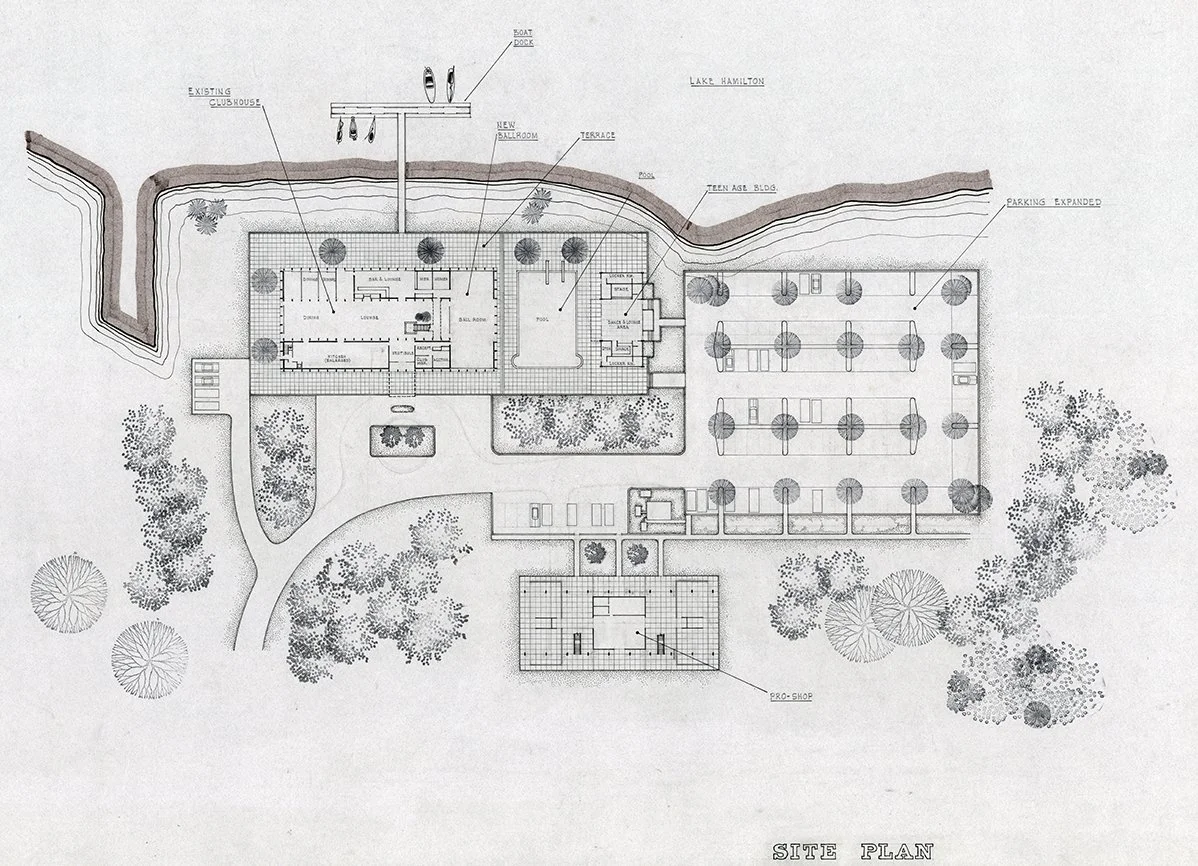
The project scope is for a country club to be located on a site that features a pool and 18-hole golf course. Future facilities for yachts are planned after a proposed canal linking the lake to the Gulf is completed. The country club was originally founded in 1923.
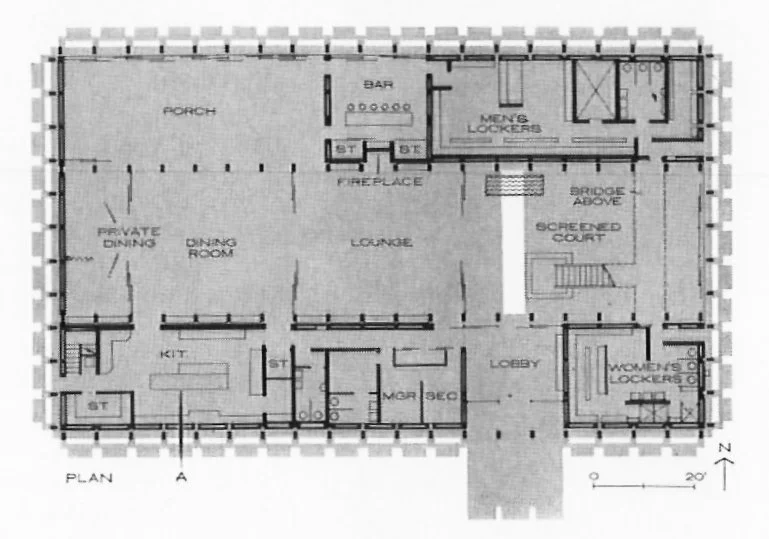
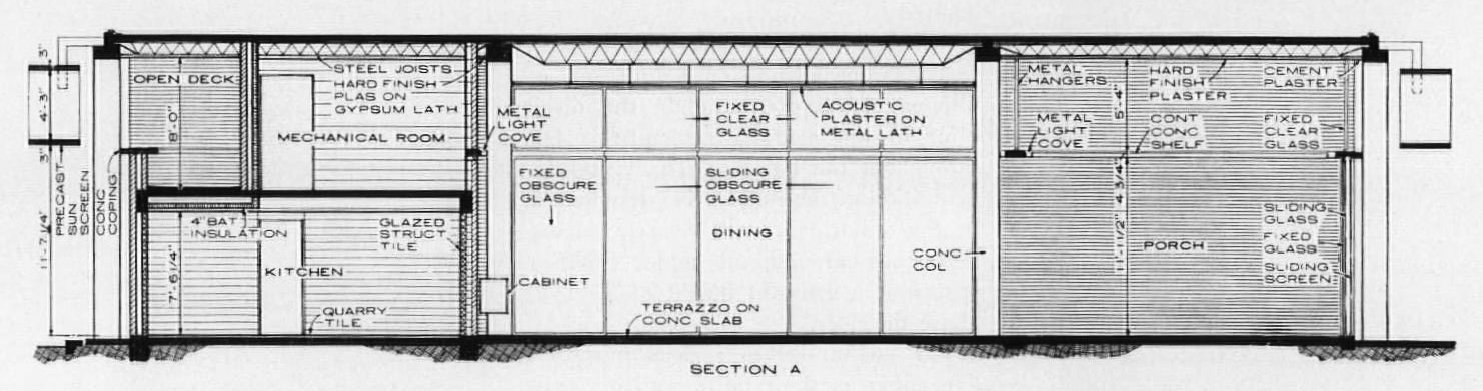
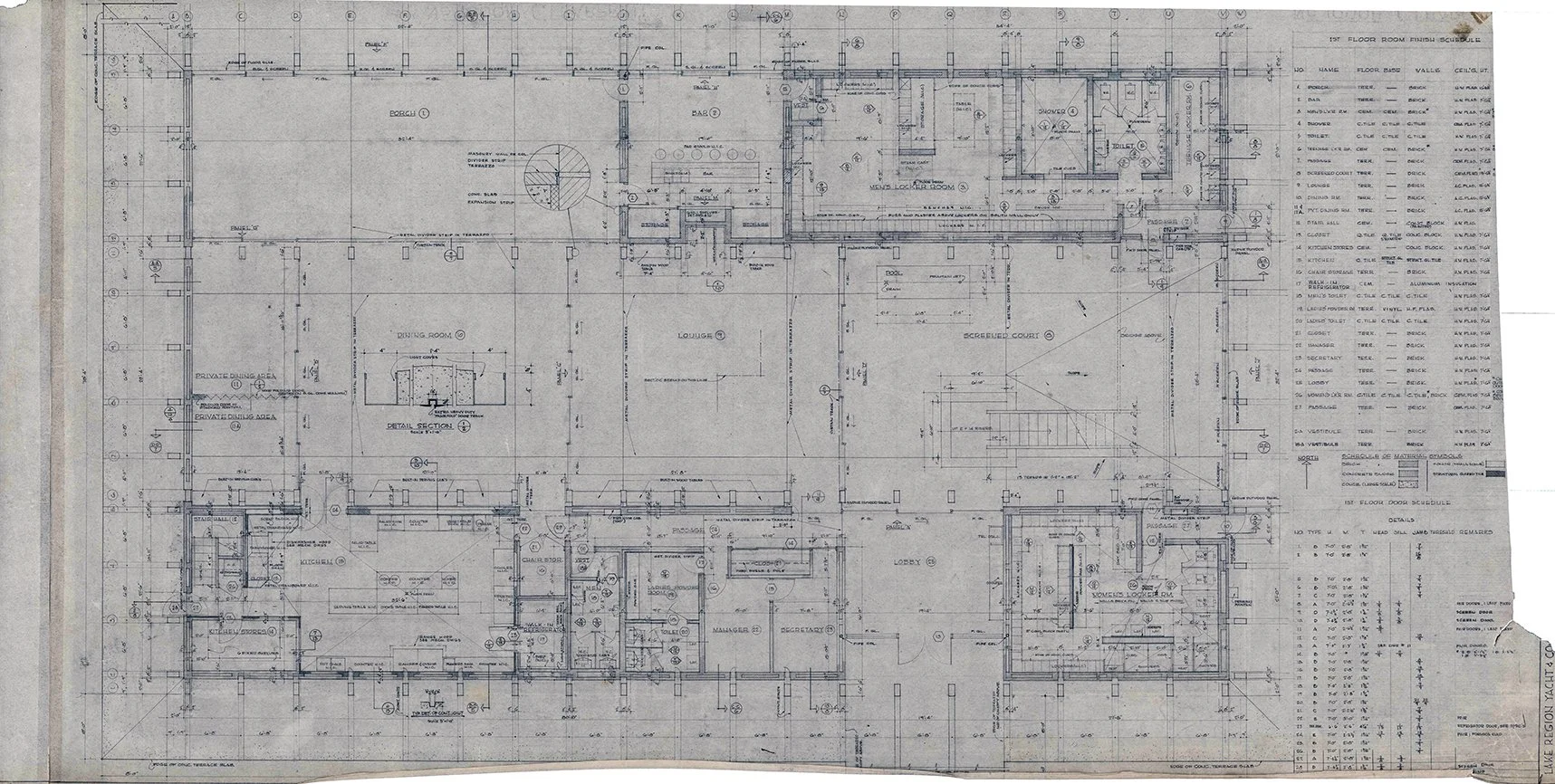
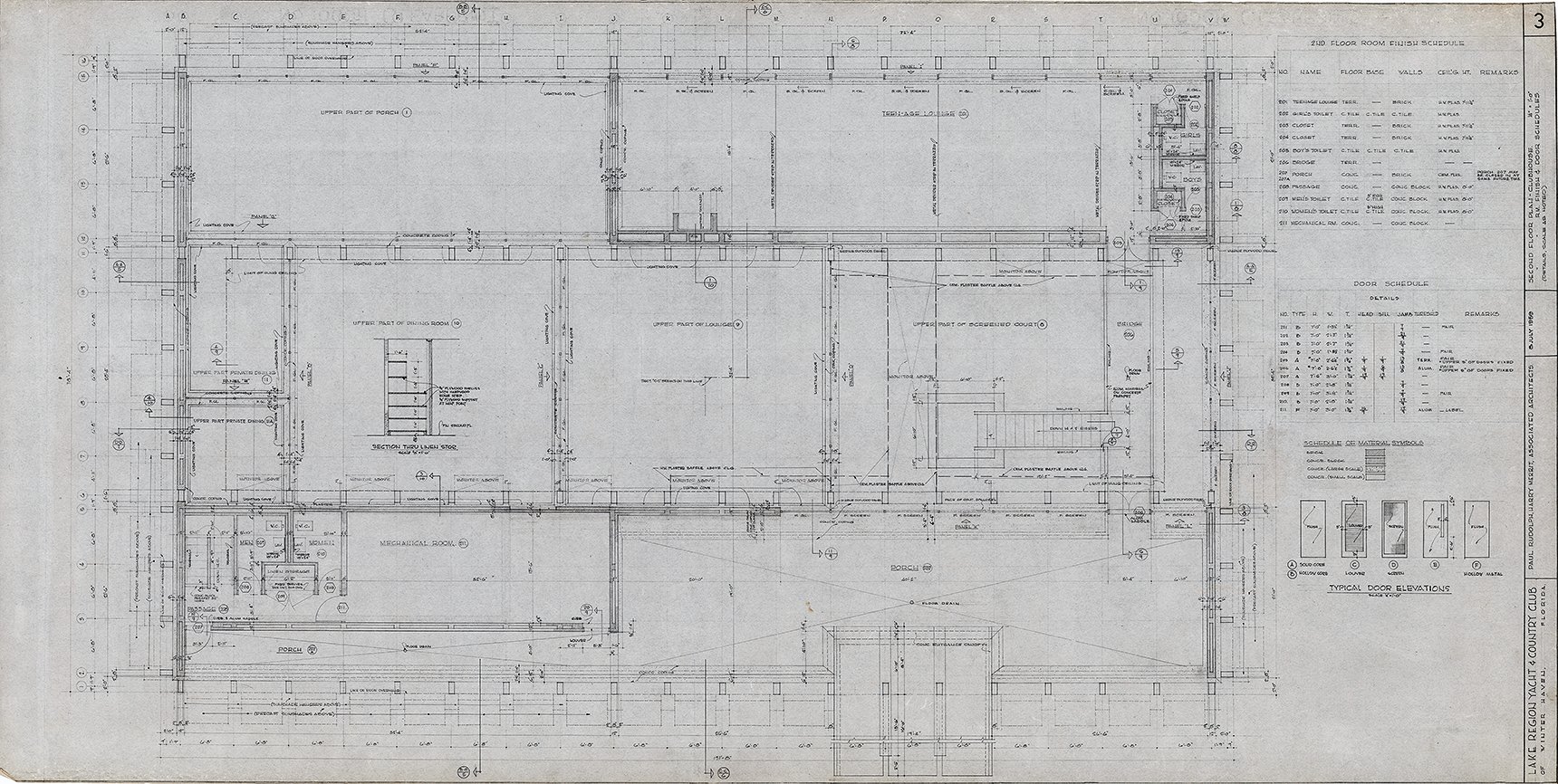
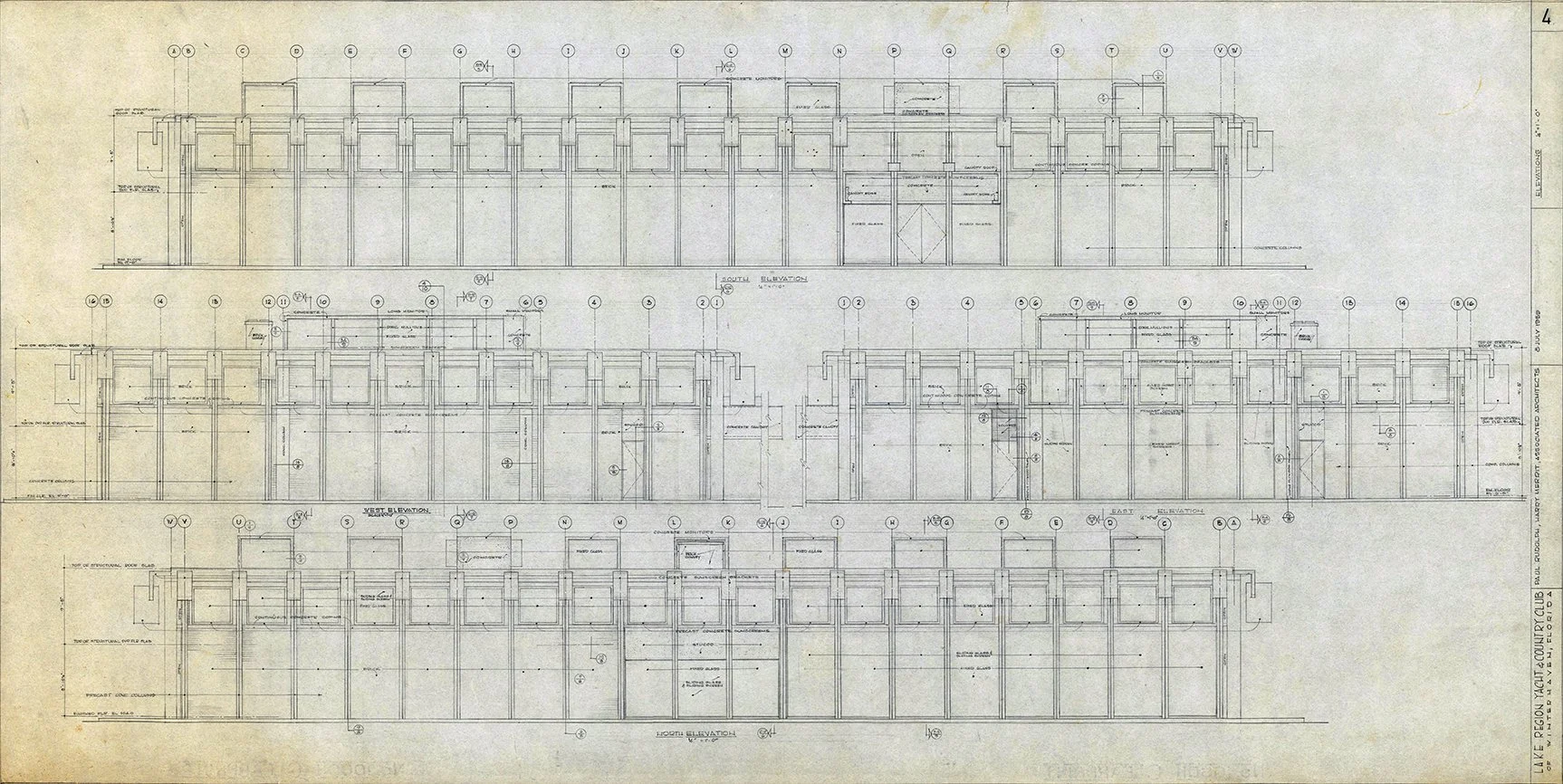
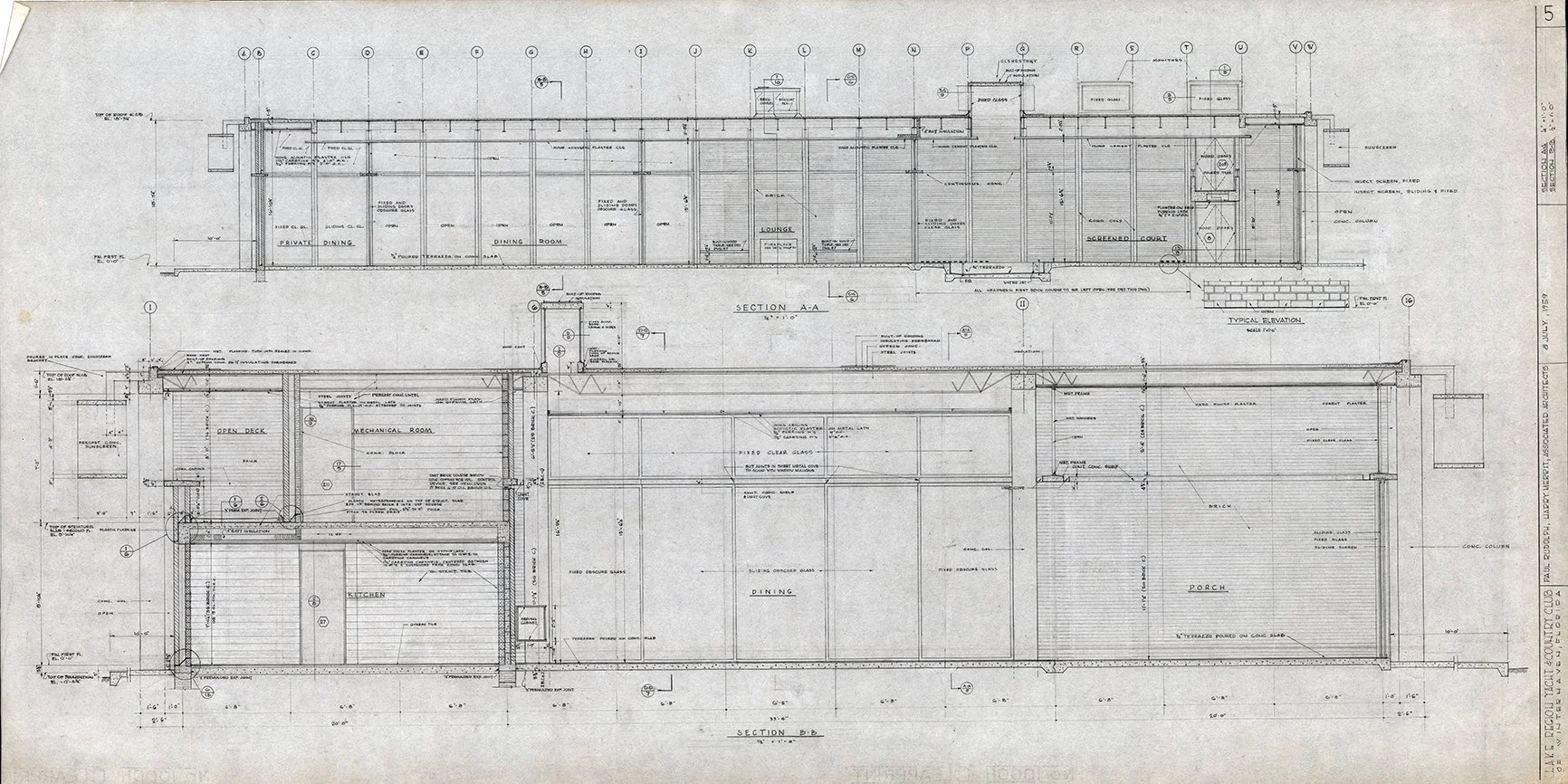
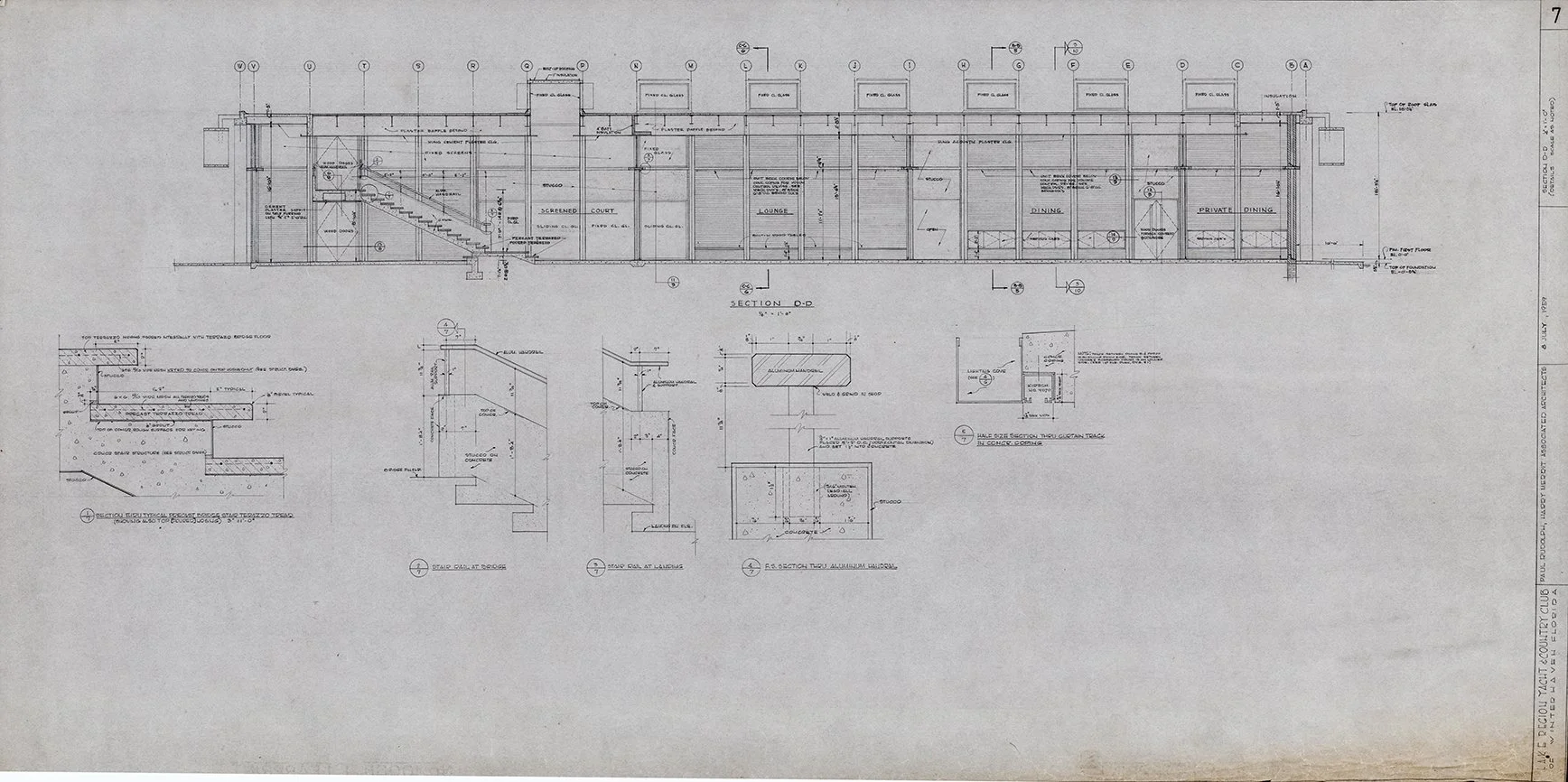
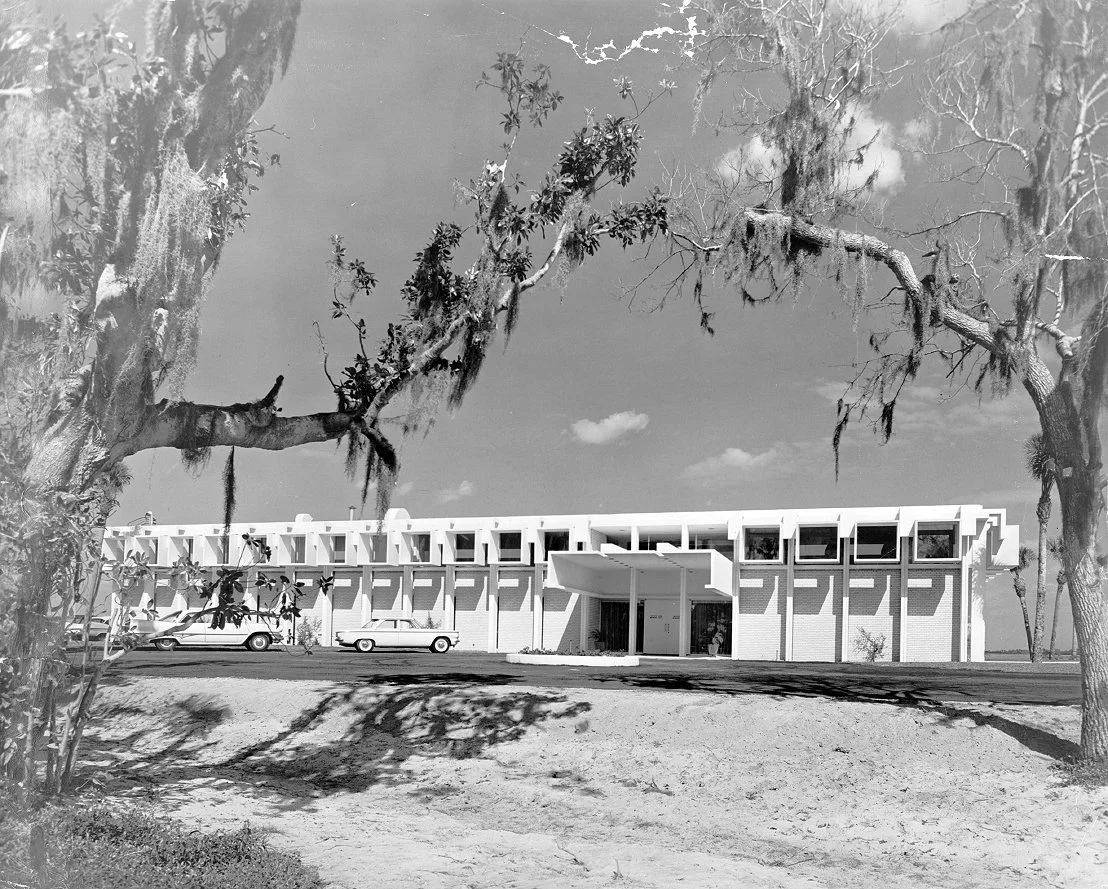
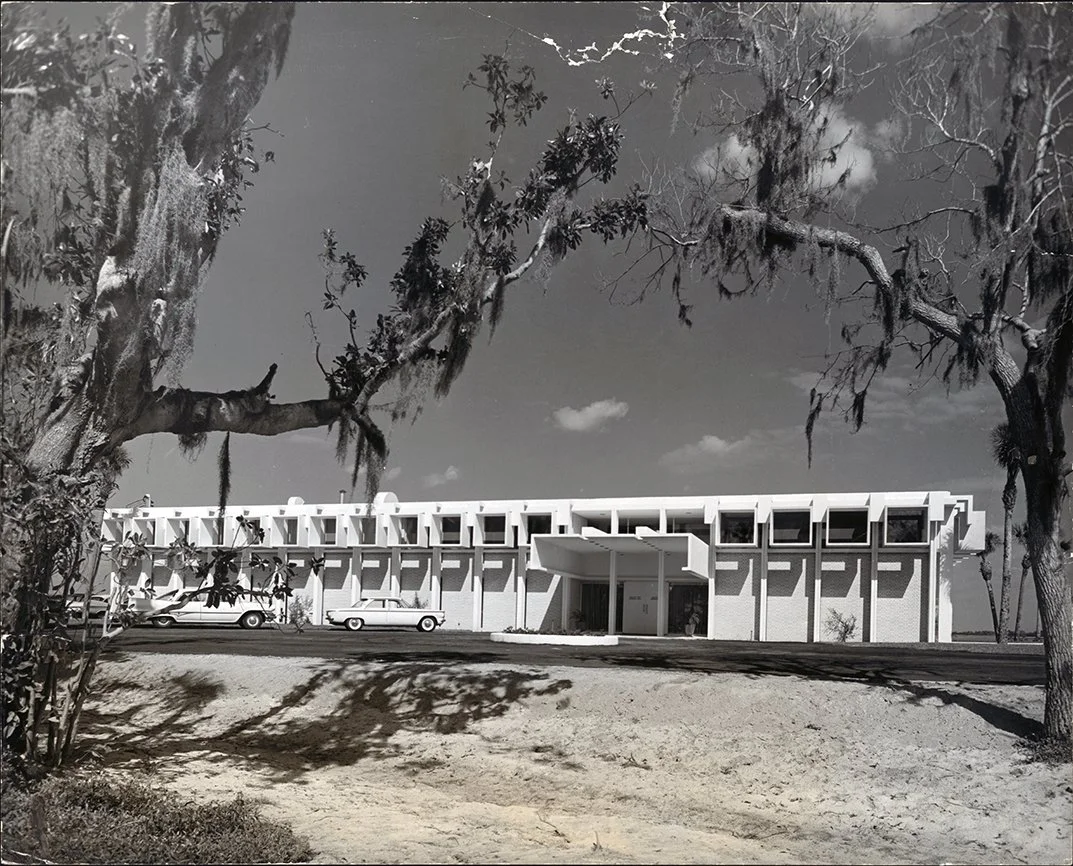
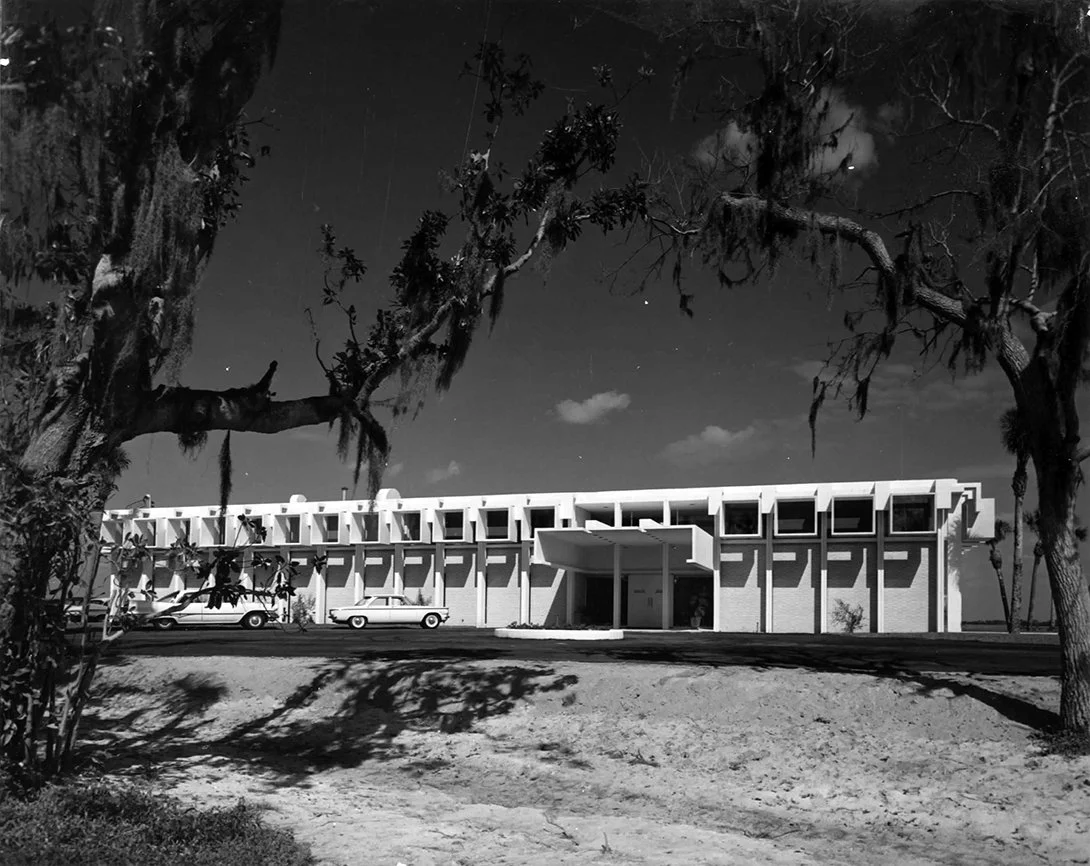
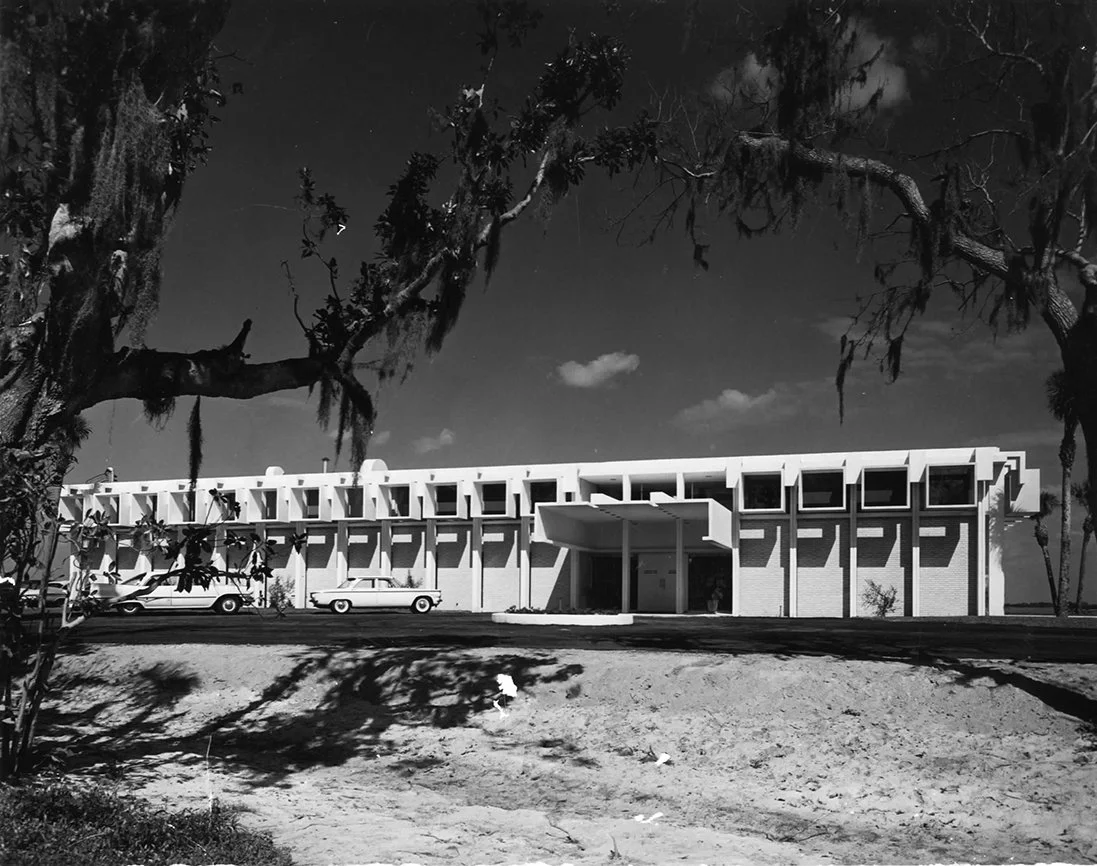
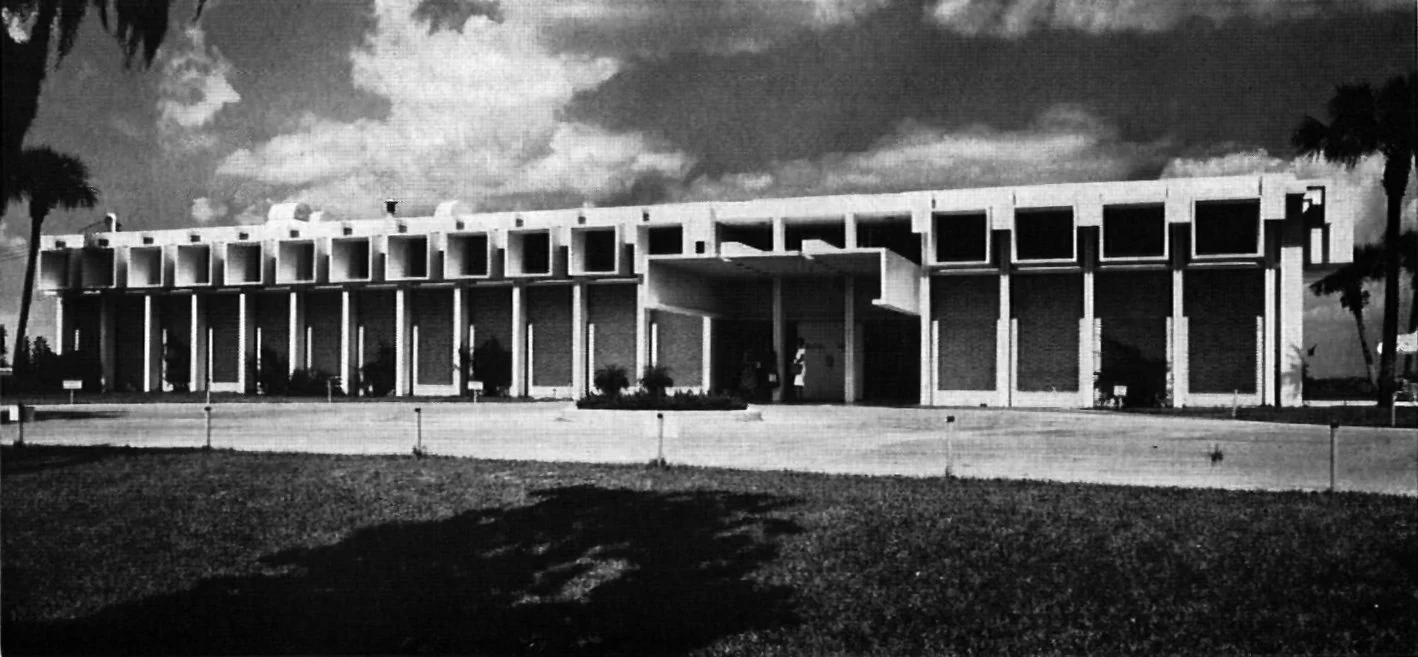
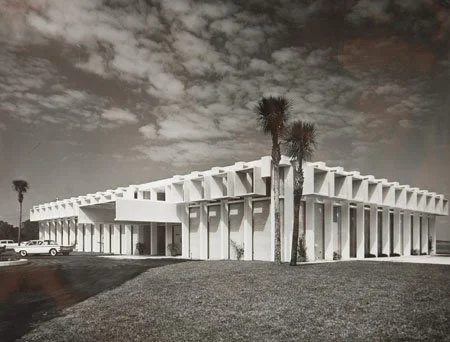
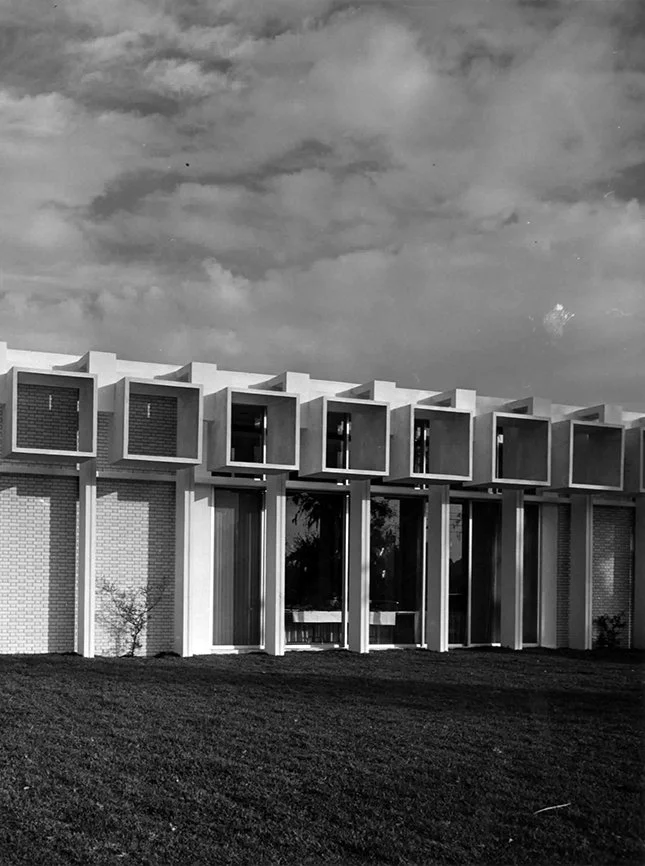
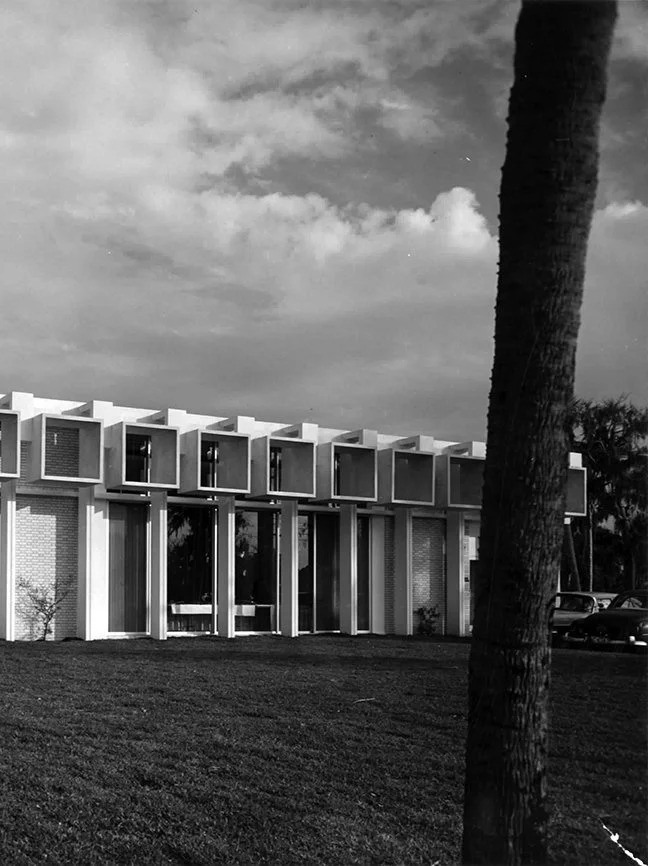
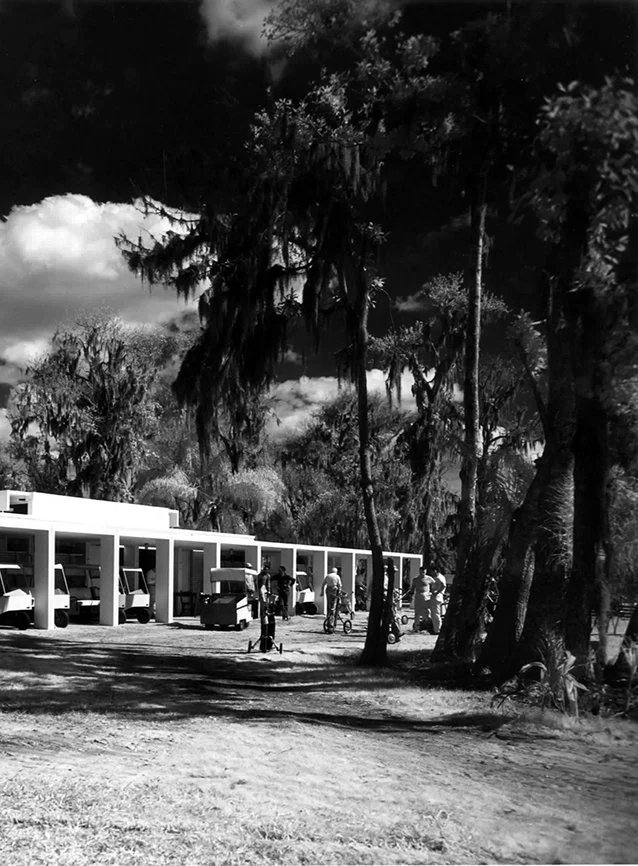
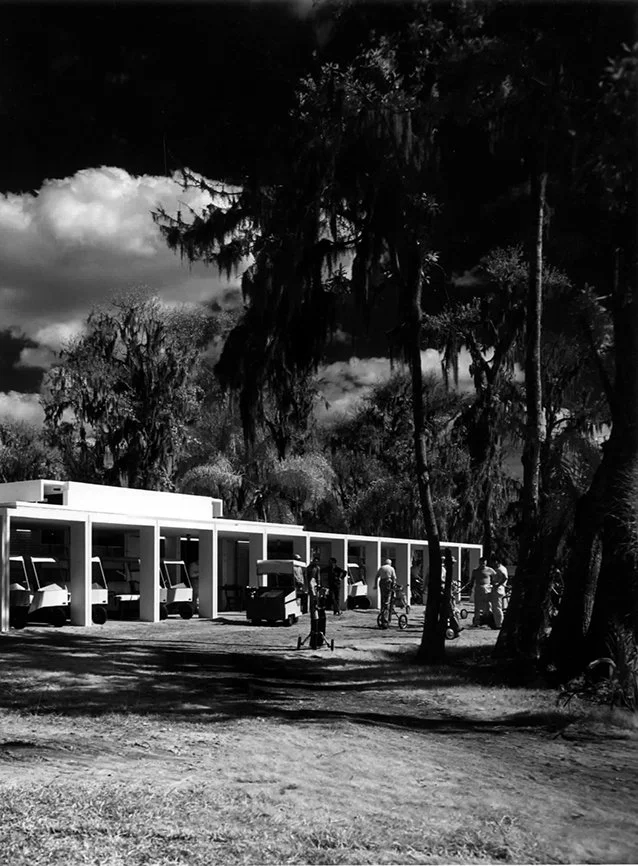
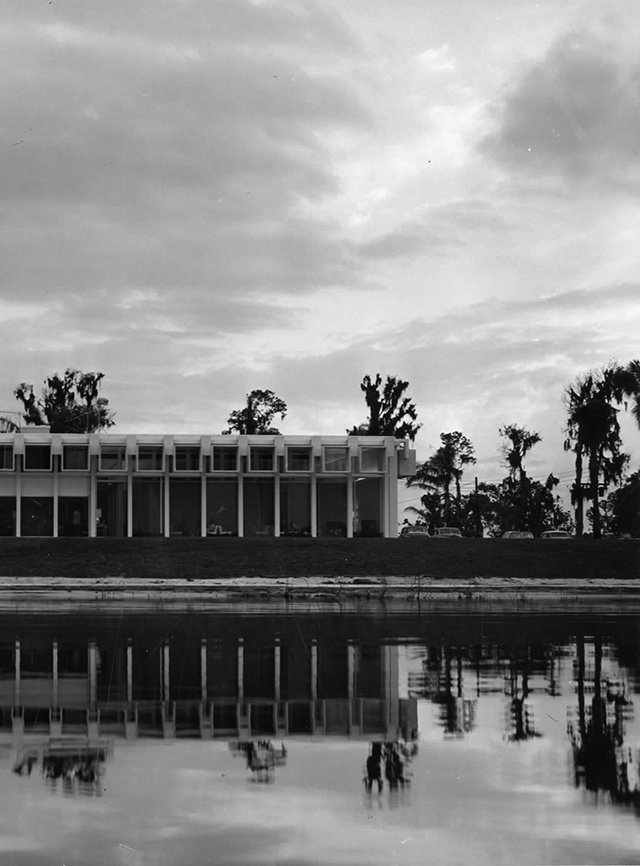
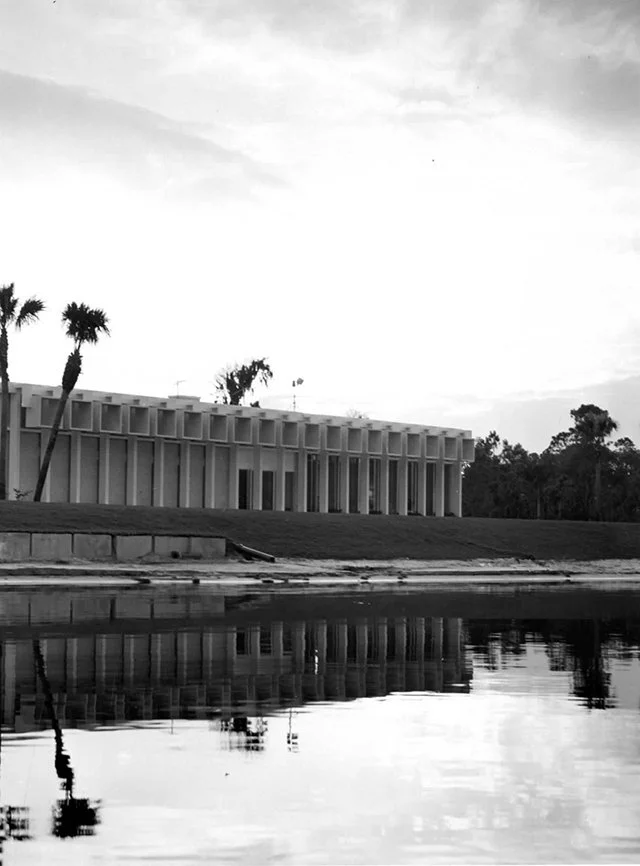
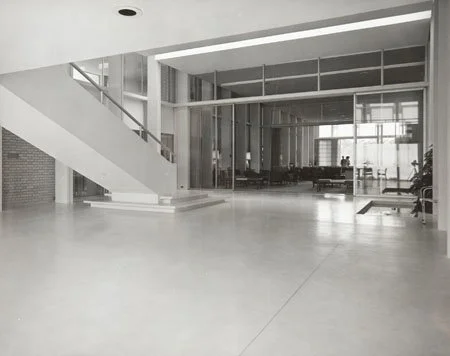
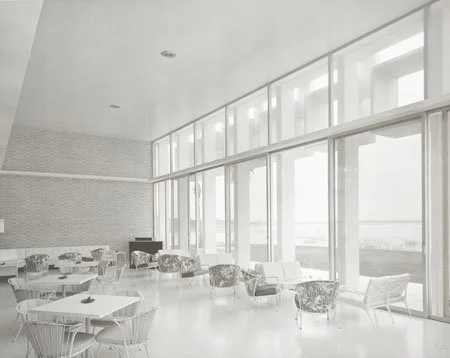
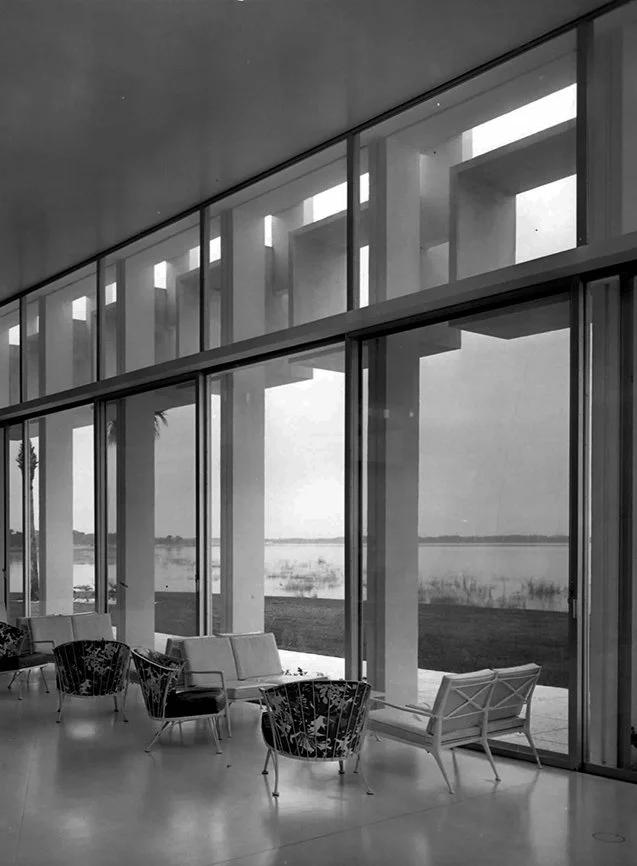
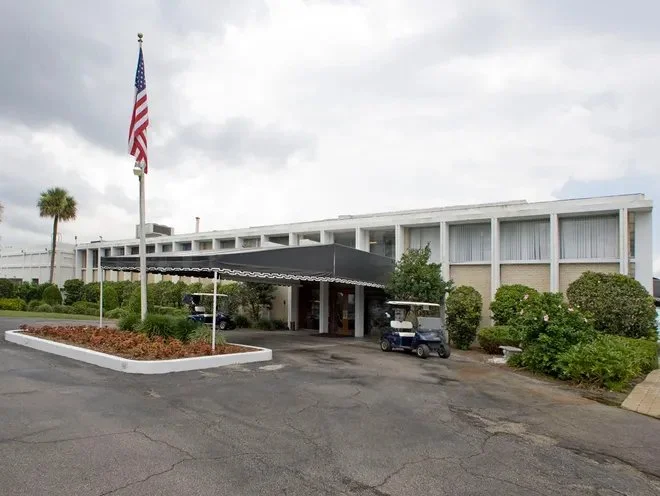
The building is composed to two parallel two-story pavilions, each 128’-0” long by 21’-0” wide and 18’-0” high, standing within a peristyle of columns on 6’-8” centers. Between them is a large roofed hall of the same height, unbroken except by glass partitions and translucent curtains. The sides of the pavilions that face the central space are similar to the outer facades of the building, except for the omission of sun shades.
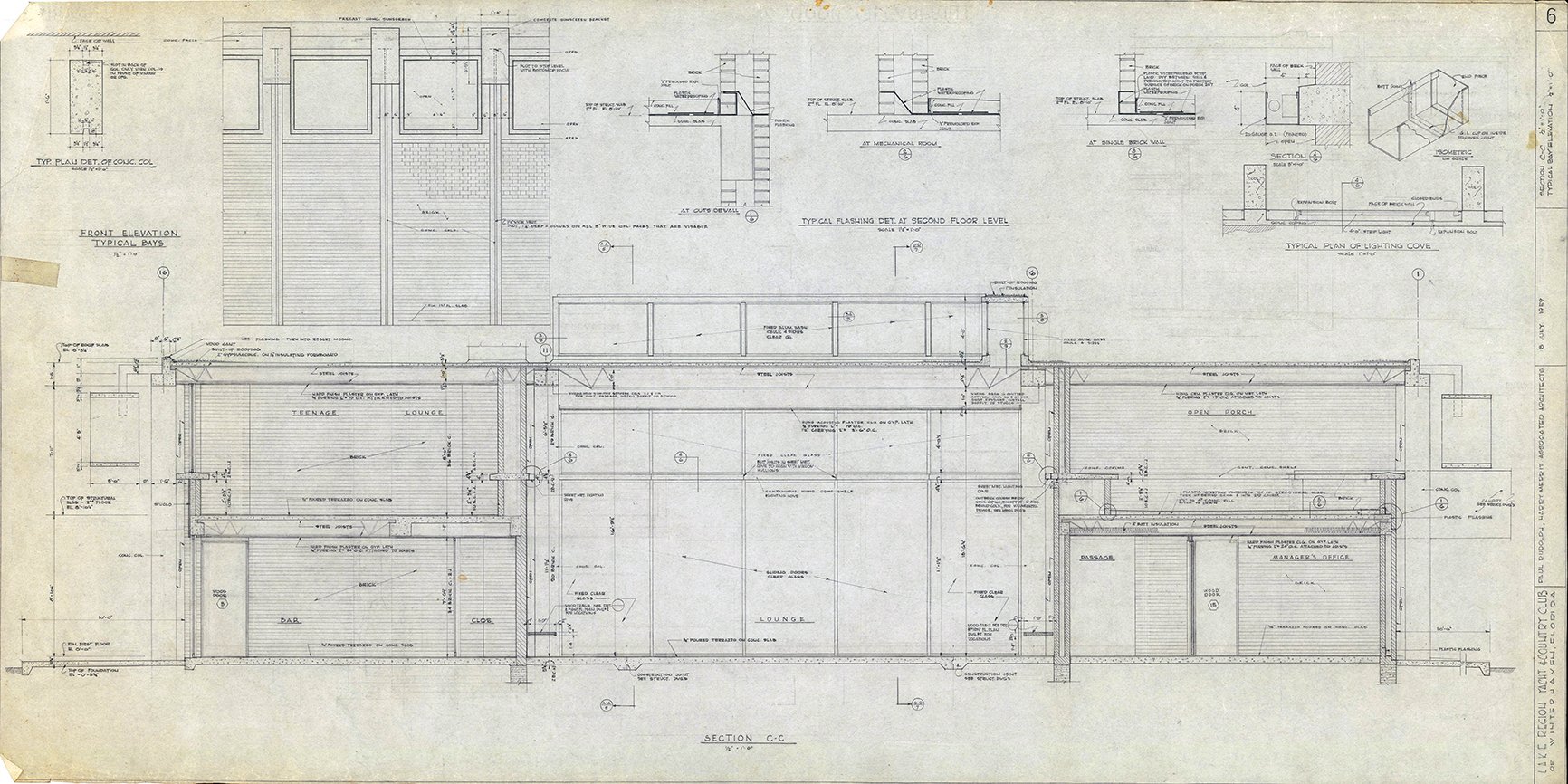
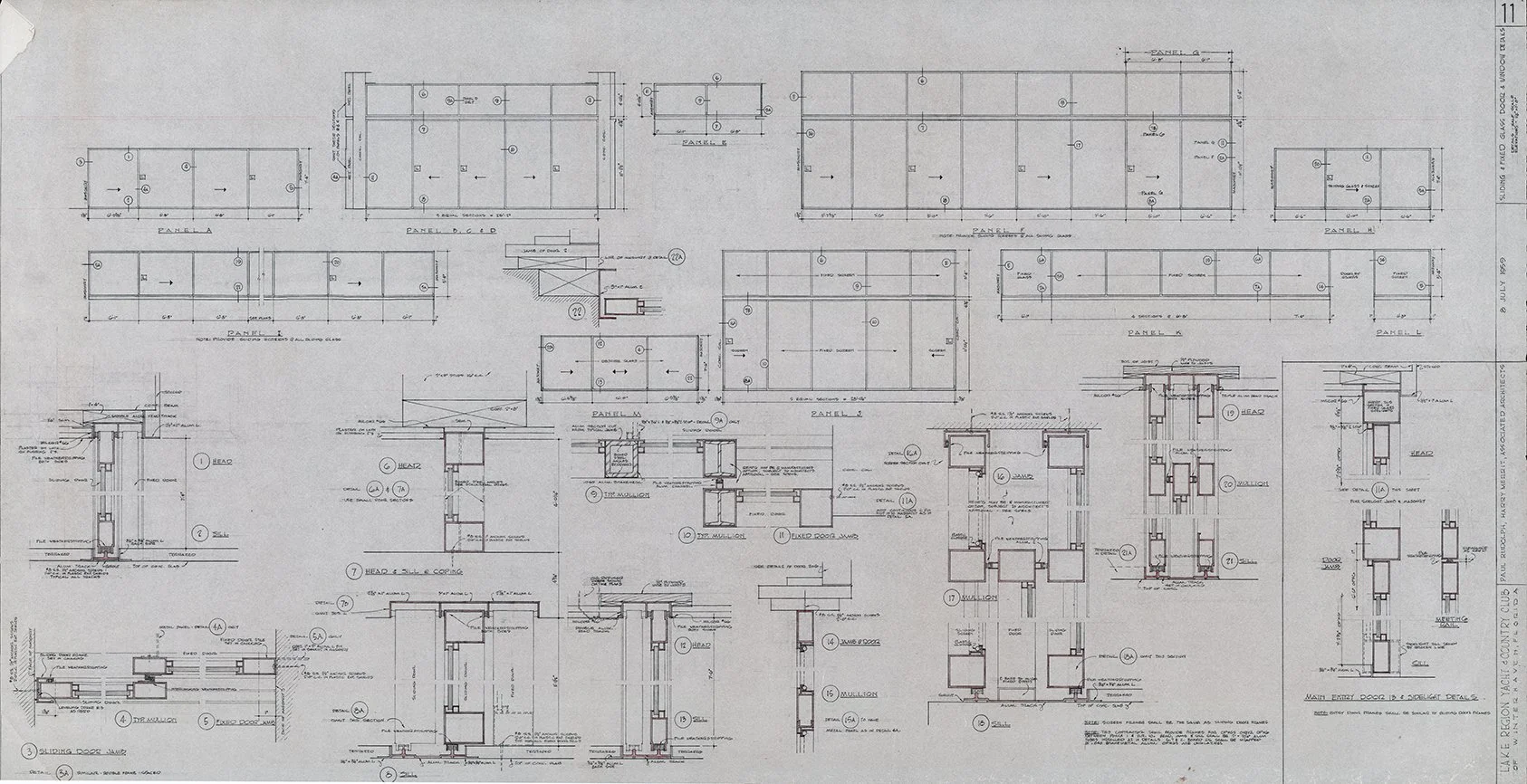
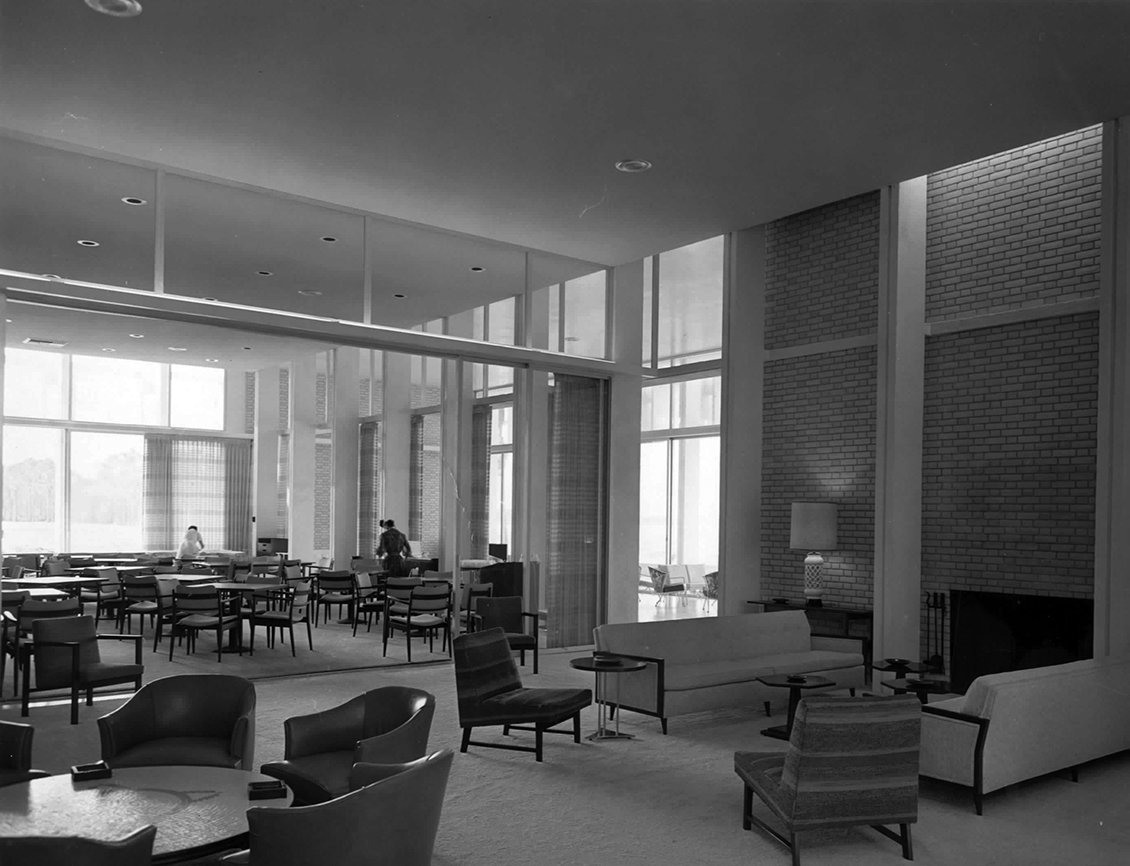
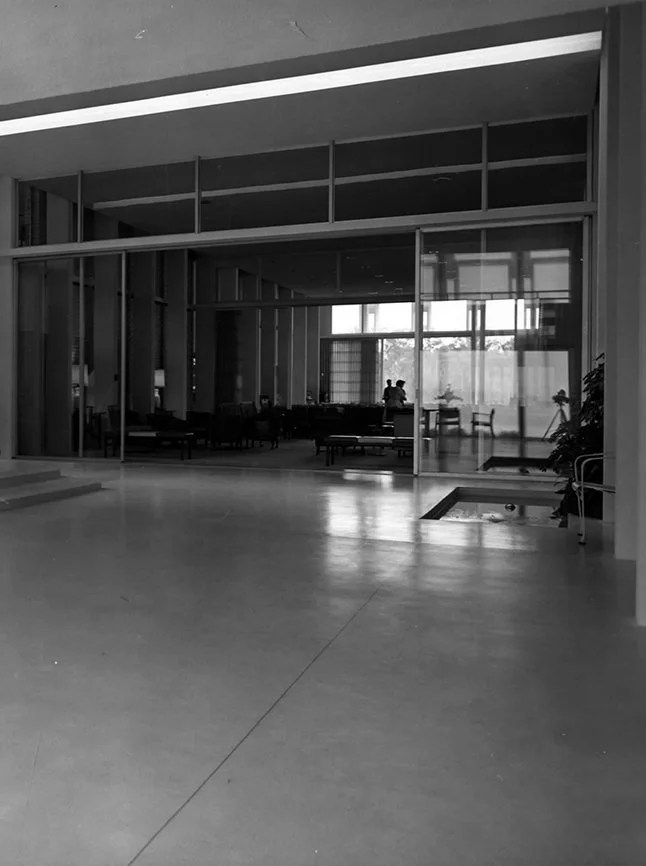
Despite varying ceiling and window heights according to the functions of different parts of the structure, the visual organization of the interior is strengthened by a uniform precast concrete coping that runs around all of the major spaces at a height of 11’-1 1/2” above the floor. The coping serves various purposes - supporting tracks for sliding doors and windows and frames for fixed glass and insect screens; a cornice between brick courses; a suspended curtain track. On all sides of interior spaces it includes a continuous metal light fixture.
The entrance to the building is under a cantilevered concrete canopy suspended at 7’-6” above floor level. The entrance is kept low to emphasize the space of the higher skylighted hall beyond.
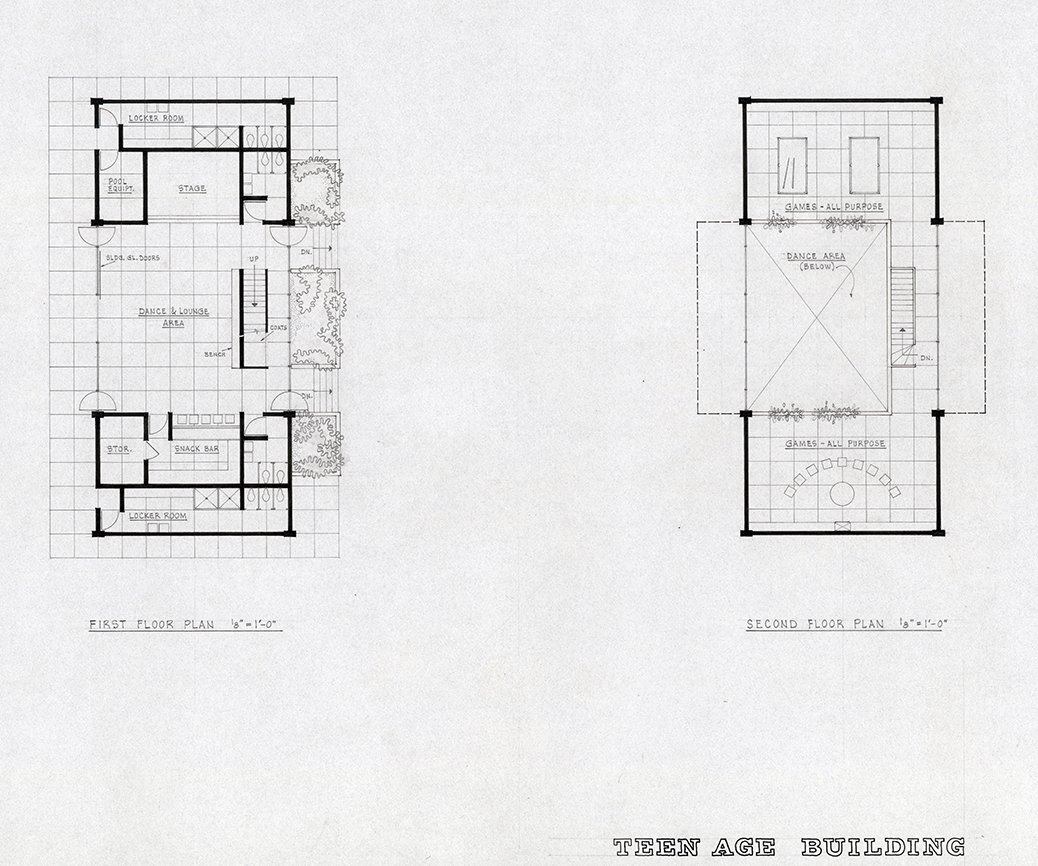
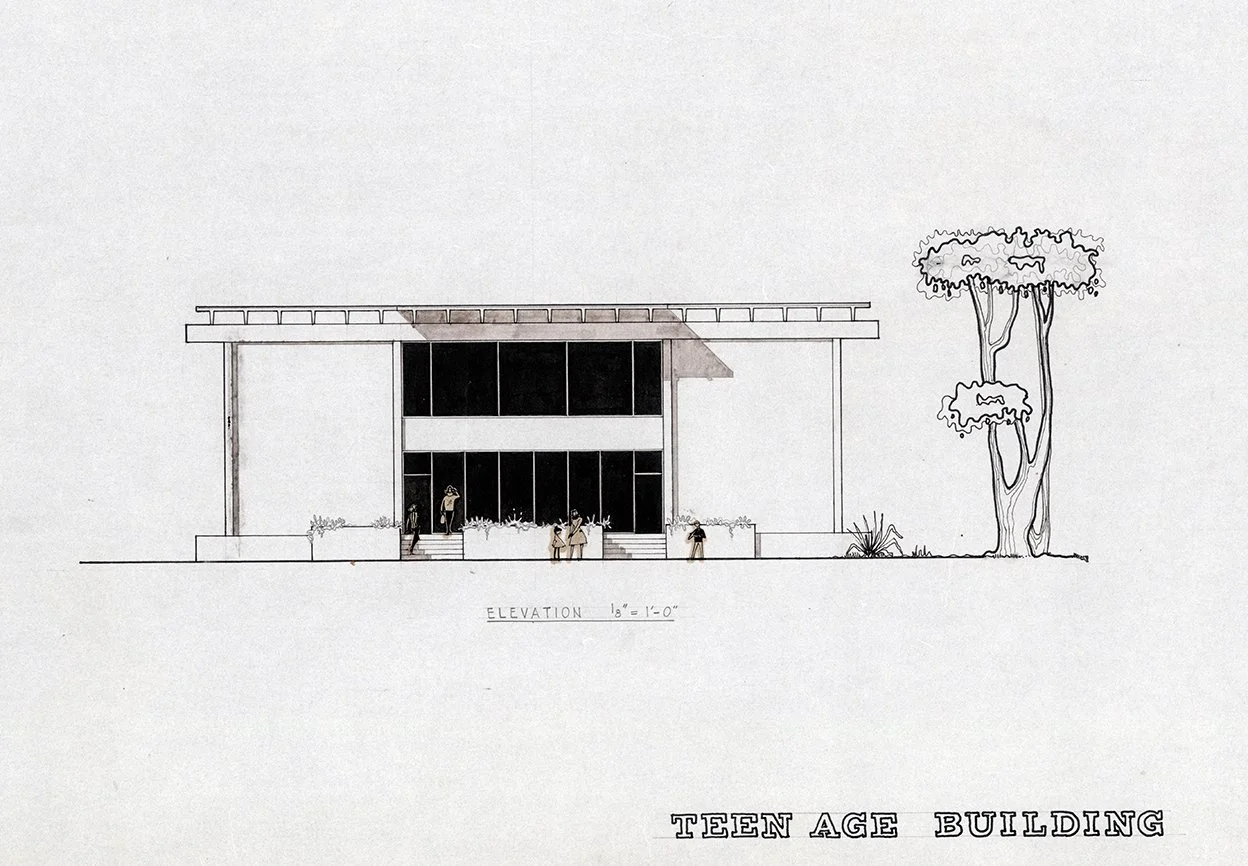
The upper floors of the pavilions on either side of the central hall are reserved for mechanical spaces and an open porch on the building’s south side with a teenage clubroom located on the north side.
A special feature of the design is for teenagers. A total of $45,000 USD is spent for a special room to be used by teenagers only. This room, according to Dr. Field, will have a private entrance and no adults will be allowed to enter unless they are accompanied by a teenager.
On September 22, 1959 officials of the country club sign a contract for the construction of the project. Dr. Richard Field, president of the club signs the contract for $450,000 USD which includes the new club house, swimming pool, pro club and general improvements of greens and fairways.
Frank Pinkley of Lakeland is chosen as the general contractor following a low bid of $306,000 USD. Pinkley - who has been in Lakeland, Florida for 15 years - has constructed the First Federal Savings and Loan Association building, the modern chapel at the First Methodist Church and an addition to the city hall. A total of 150 working days are expected to complete the project.
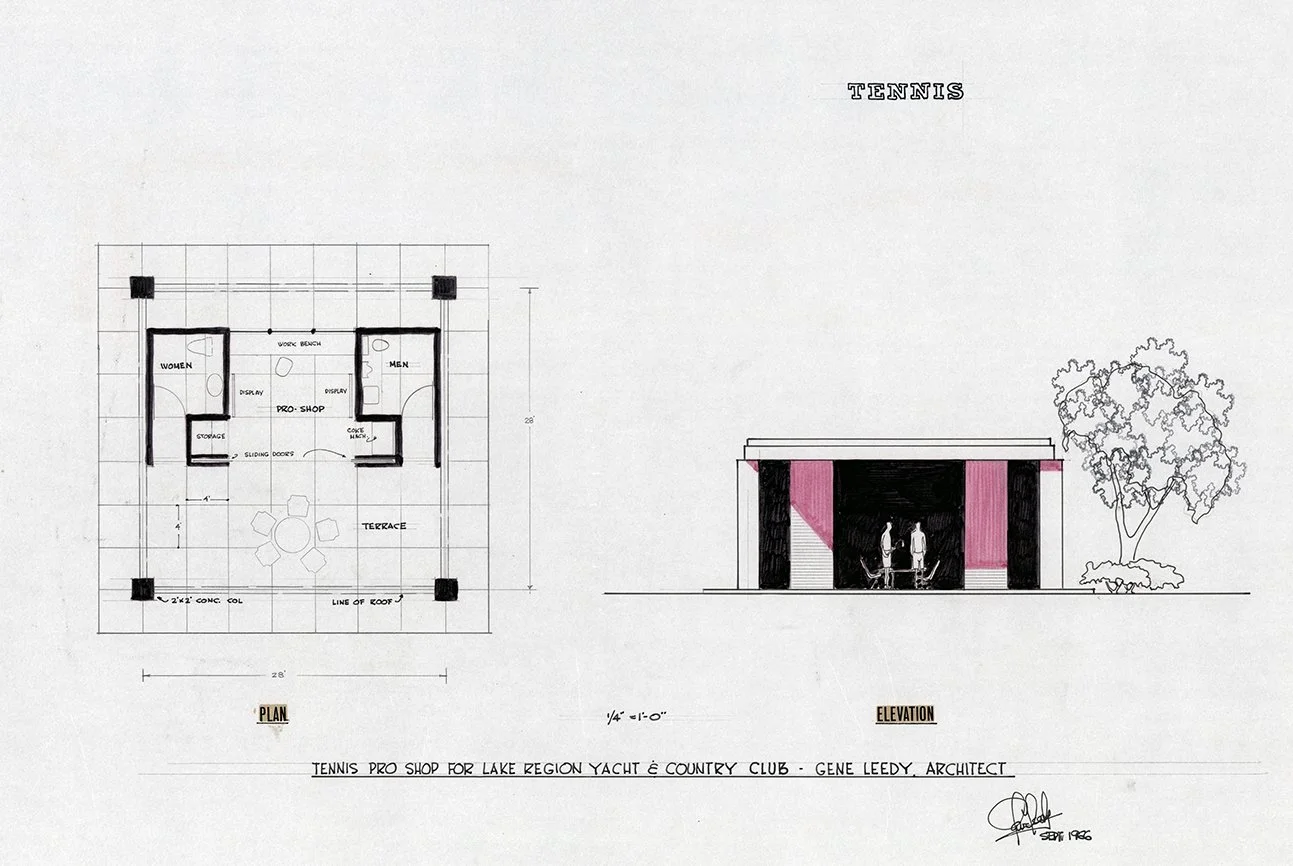
Future plans for the club include a boat marina, tennis courts and riding stables.
Construction is expected to begin on October 12, 1959 although some work begins as soon as the contract is signed. Around 35,000 cubic yards of white sand is pumped from Big Lake Hamilton to be used as a foundation base for the structure and swimming pool, which takes two months to move. The cost of the swimming pool is $80,000 USD for site development, water supply and sewerage.
Buck Money is the building superintendent for the country club project. Jack Jetton of Rudolph’s office is the project manager.
Construction is estimated to be completed by the summer of 1960. The existing old pro shop and country club buildings will be demolished as soon as the new buildings are ready for occupancy.
The country club opens to the public on December 18, 1960. Several hundred members of the club and their guests attend the opening.
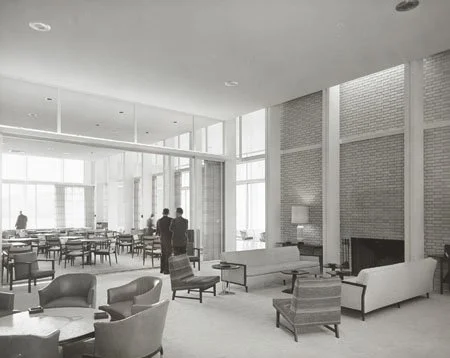
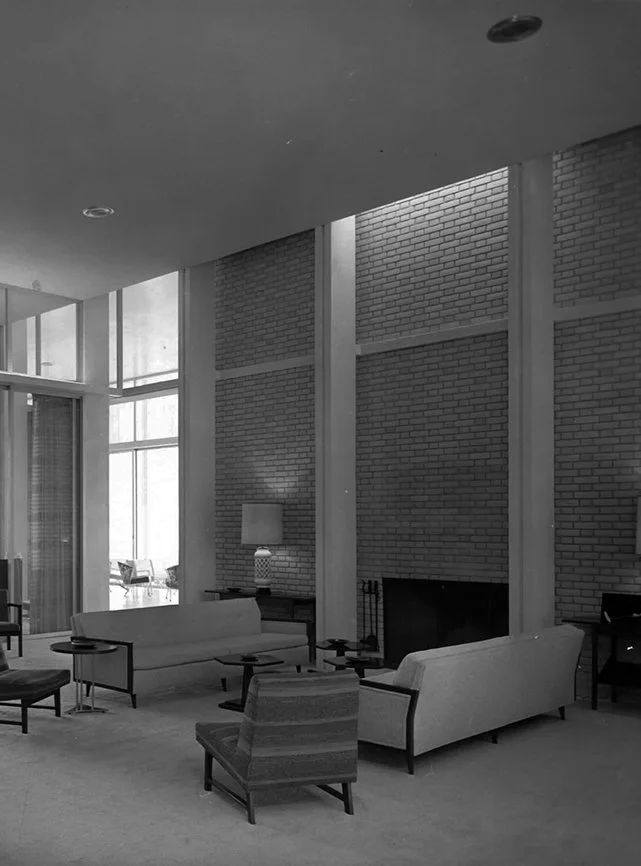
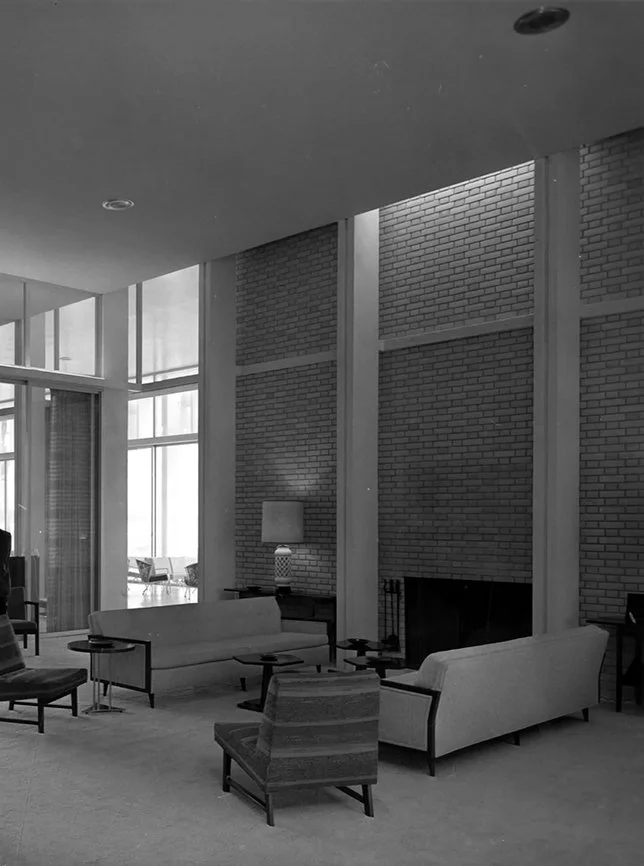
The cost of the completed project is $500,000 USD. Inside, the interior is composed of beige colored brick and white walls with a color scheme of orange, cobalt blue and avocado green. Sliding glass doors decorated with sheer fabric drapes extending from ceiling to floor separate the foyer from the hall leading to other parts of the building. A red carpet marks the entrance and there is wall to wall carpeting over the terrazzo floors in the main lounge.
The building is fully air-conditioned with music piped into every room through a public address system.
At the time of the opening, the club has 470 members.
When it opens, the country club’s restaurant is one of only three restaurants in the city. Dr. Field says it is “one of the best restaurants in the state of Florida.”
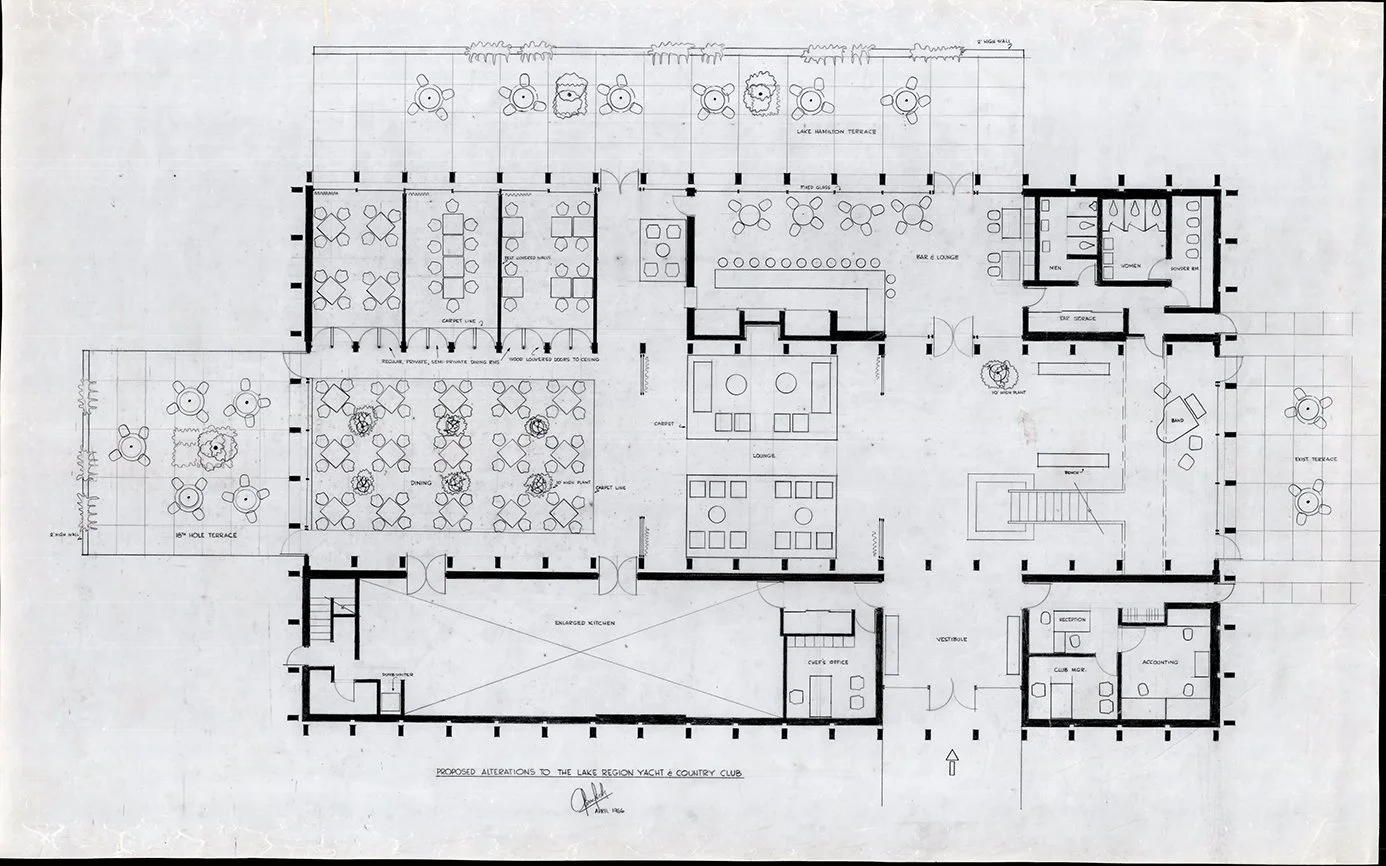
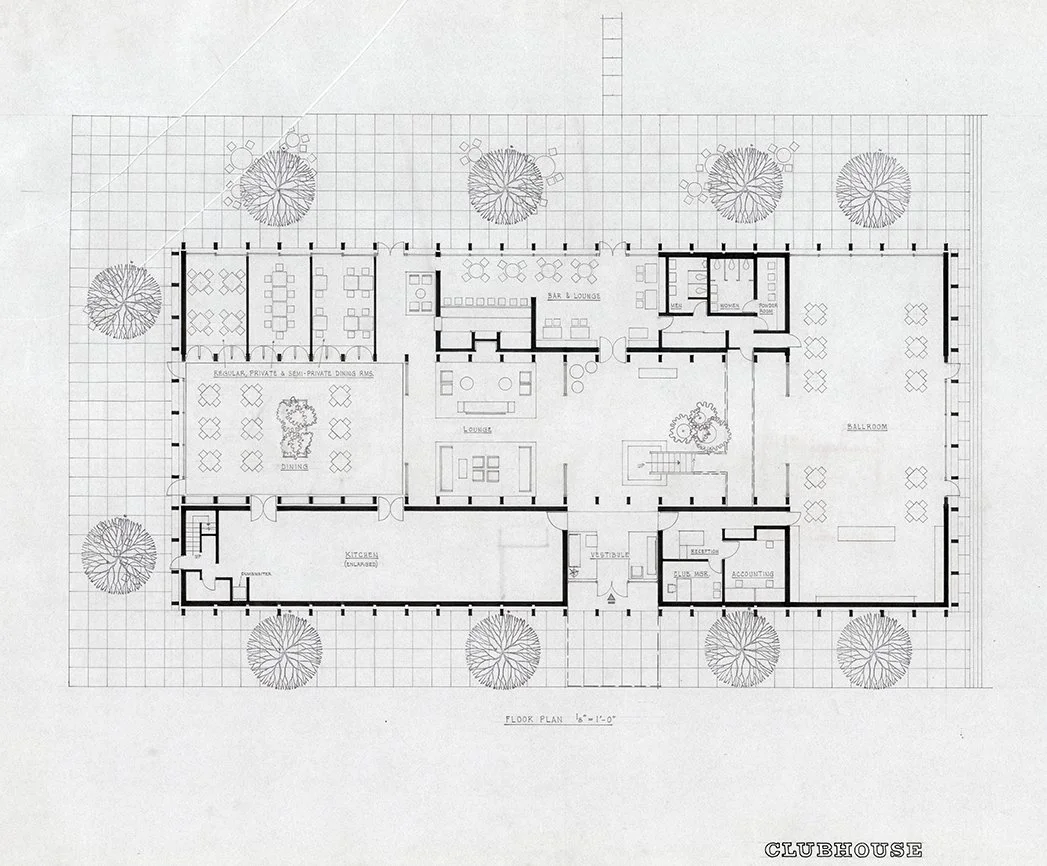
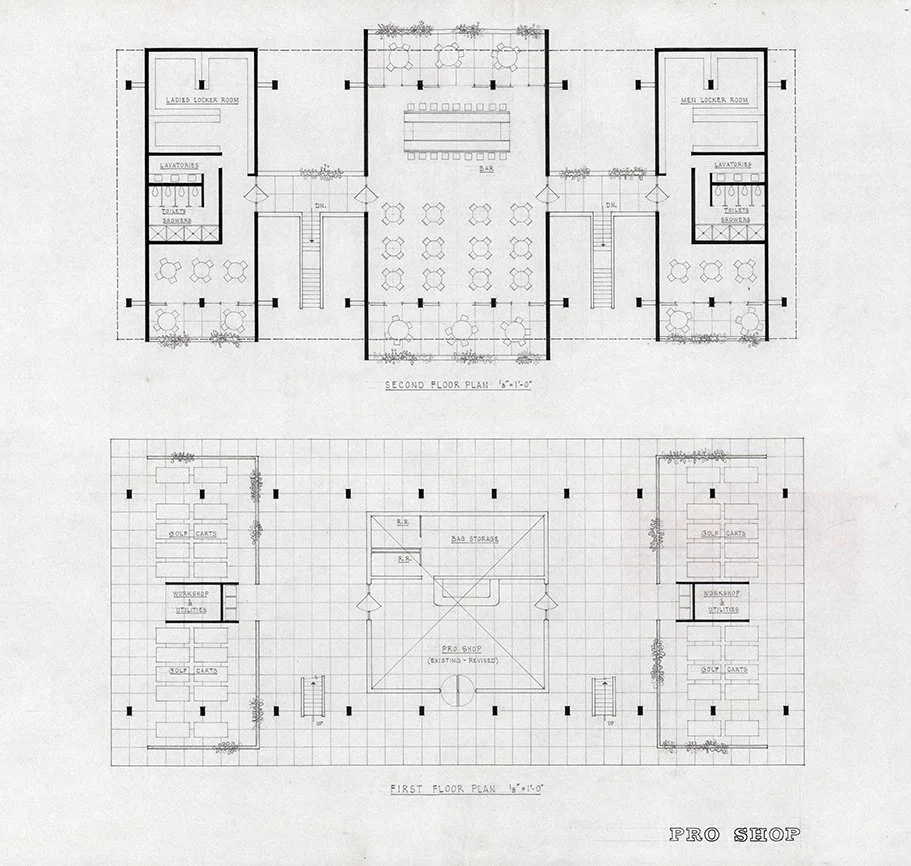
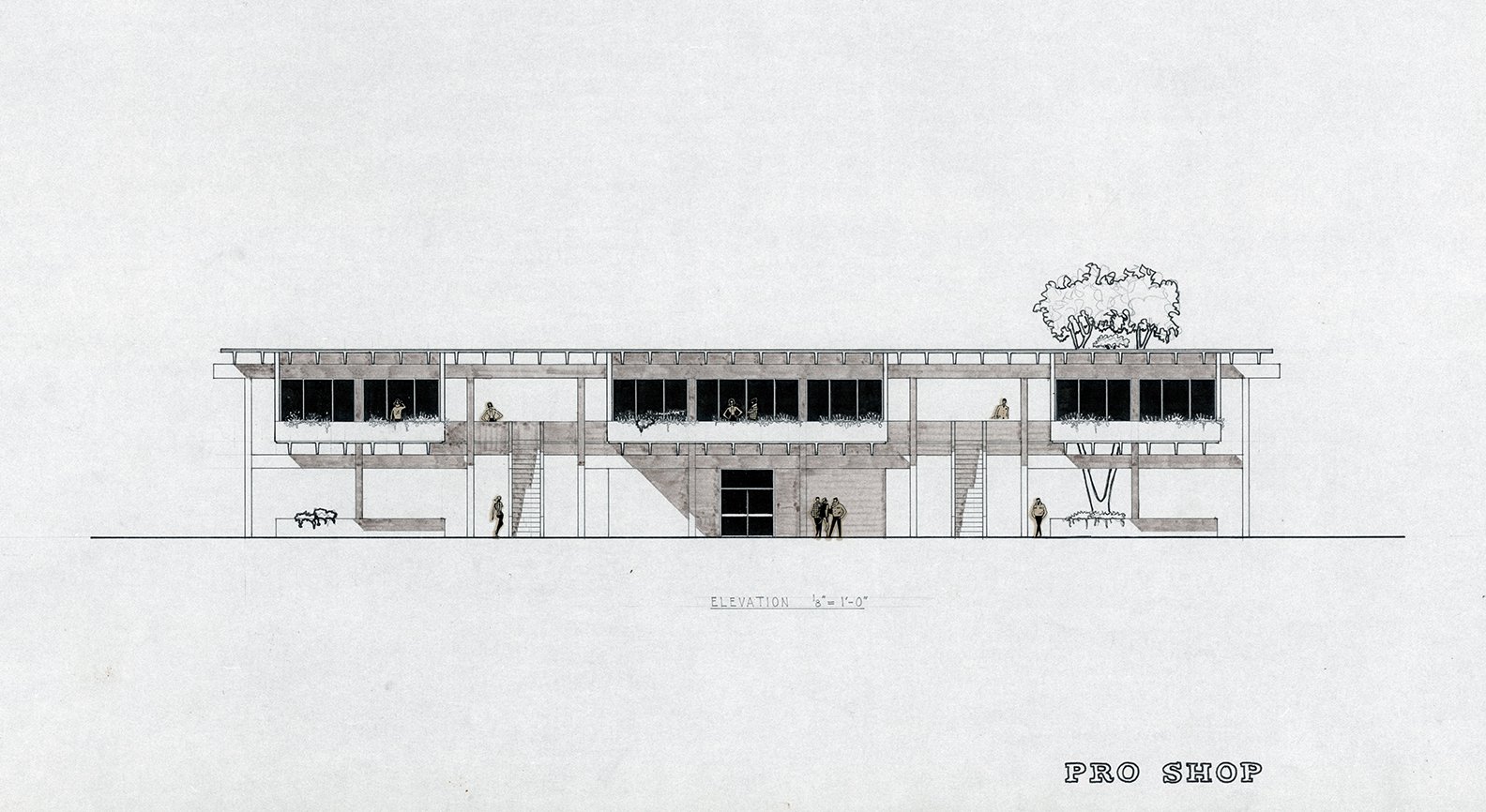
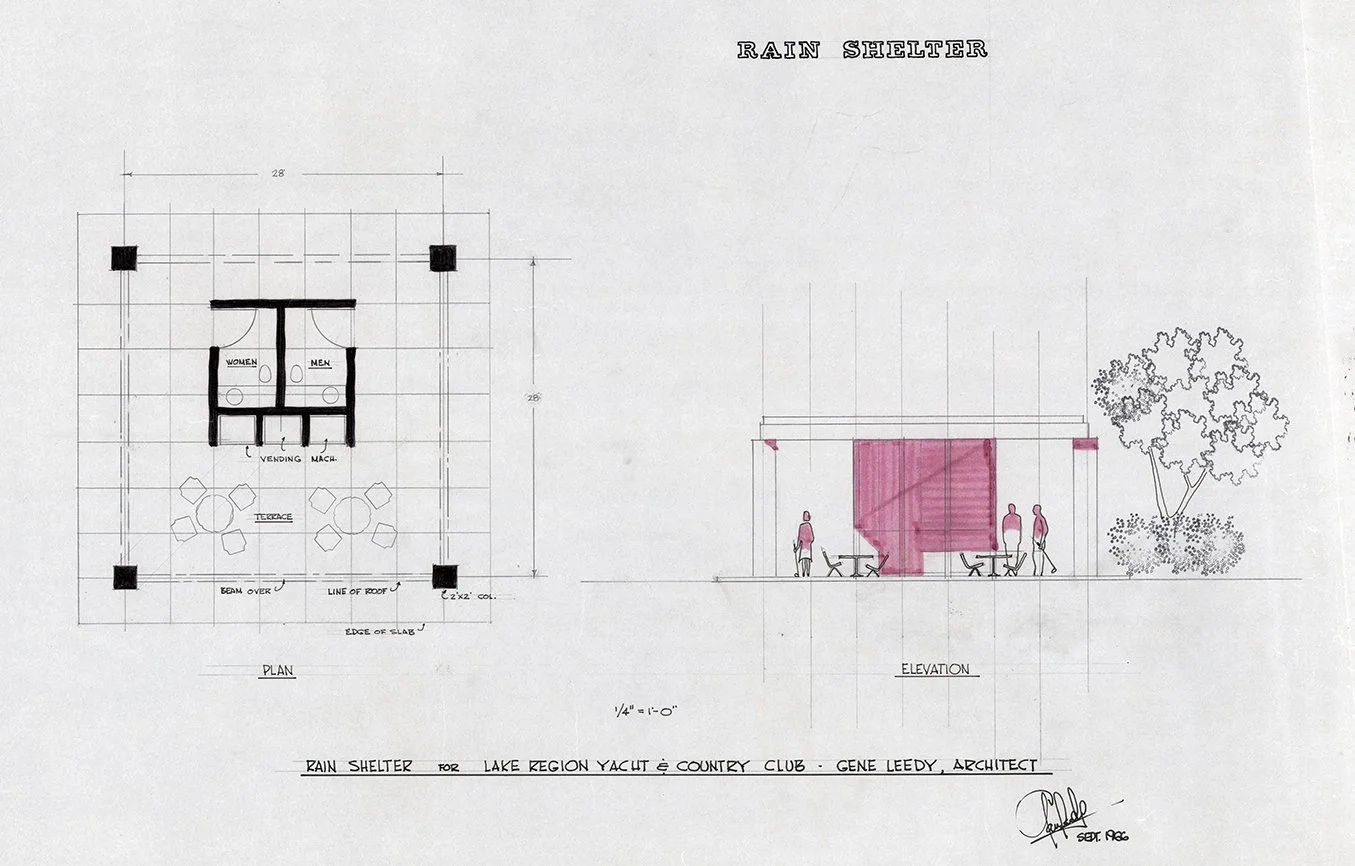
In 1966, Gene Leedy designs alterations to the project including revisions to the existing clubhouse, a new teenage building and a new pro shop.
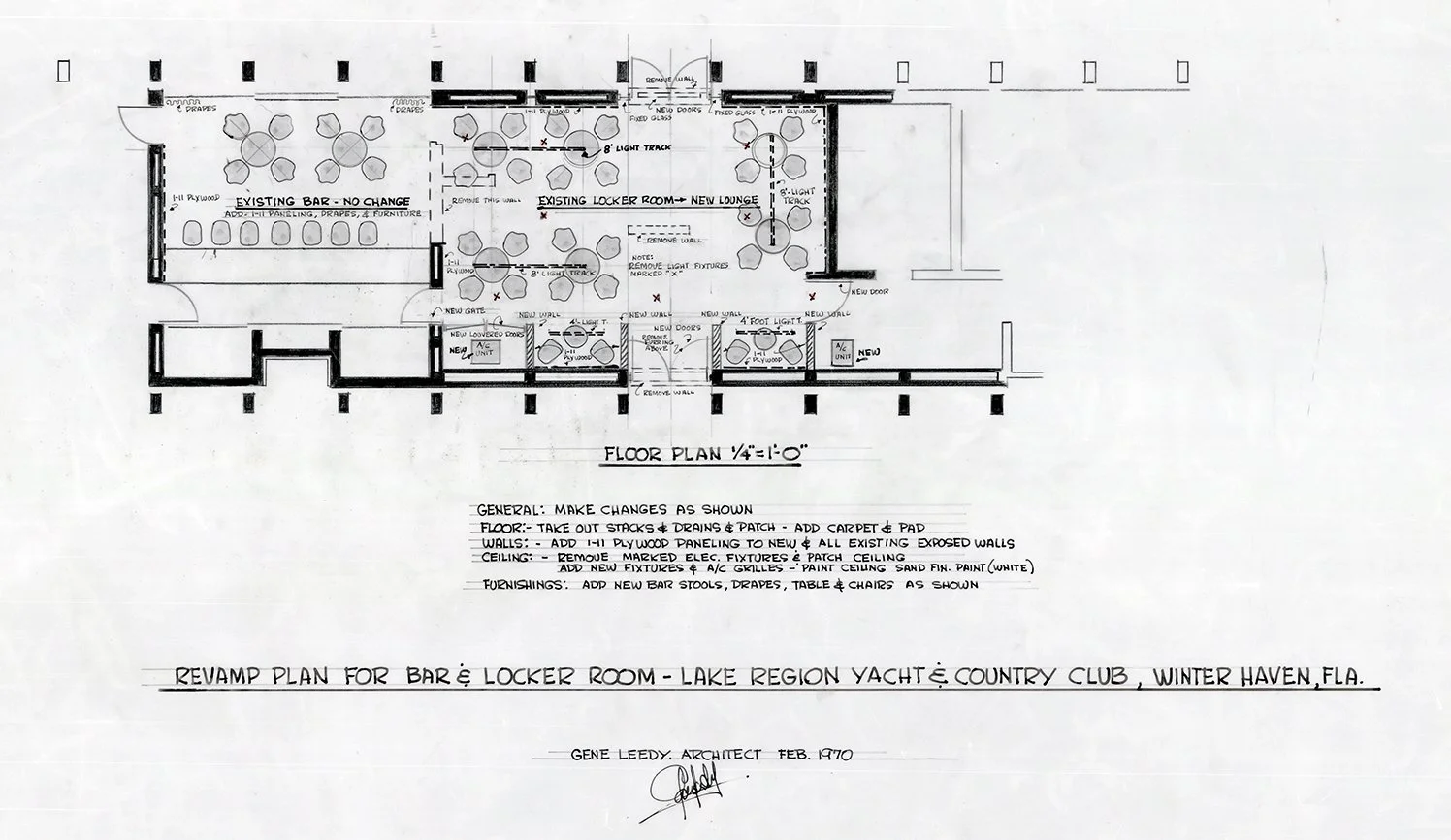
In 1970, Gene Leedy designs alterations to the bar and locker room of the existing clubhouse.
On April 06, 2013 the stockholder club members vote to decide the fate of the facility - to either create a new country club or to auction the 290-acre facility. Memberships in the club that had once reached 900 members has dwindled to 240. The club's two clubhouses, tennis courts and the golf course are showing their age, according to some members. The country club is sold to a group of equity members and renamed The Country Club of Winter Haven.
The building is demolished in 2013.
““Standing on a man-made terrace at the edge of Lake Hamilton, the club has the composure of a classical temple. Uniform rows of white concrete columns and precast sunshades surround the structure on all sides, interrupted only at the entrance. Their repetitive forms dominate all views into and out of the building.””
DRAWINGS - Design Drawings / Renderings
DRAWINGS - Construction Drawings
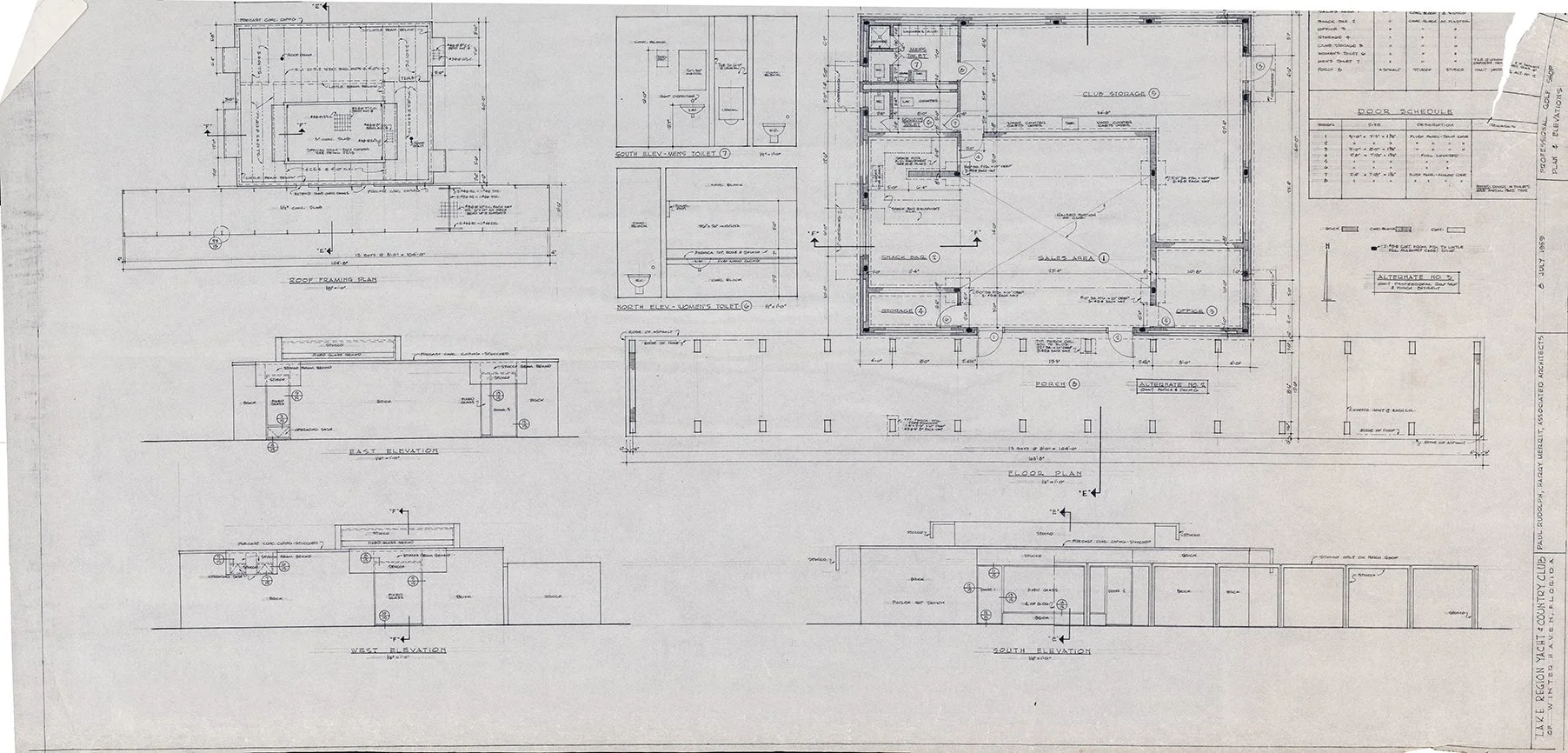
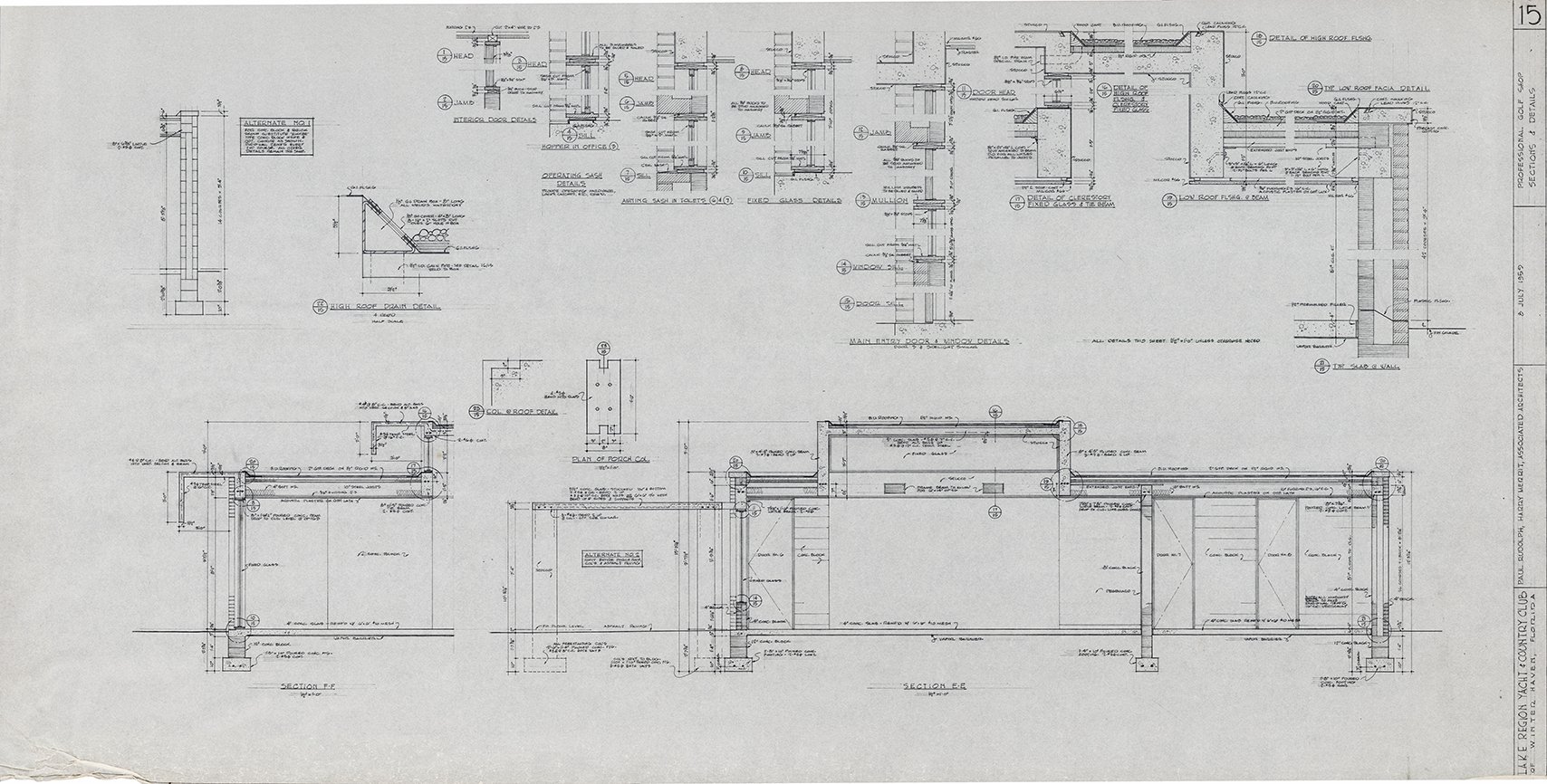
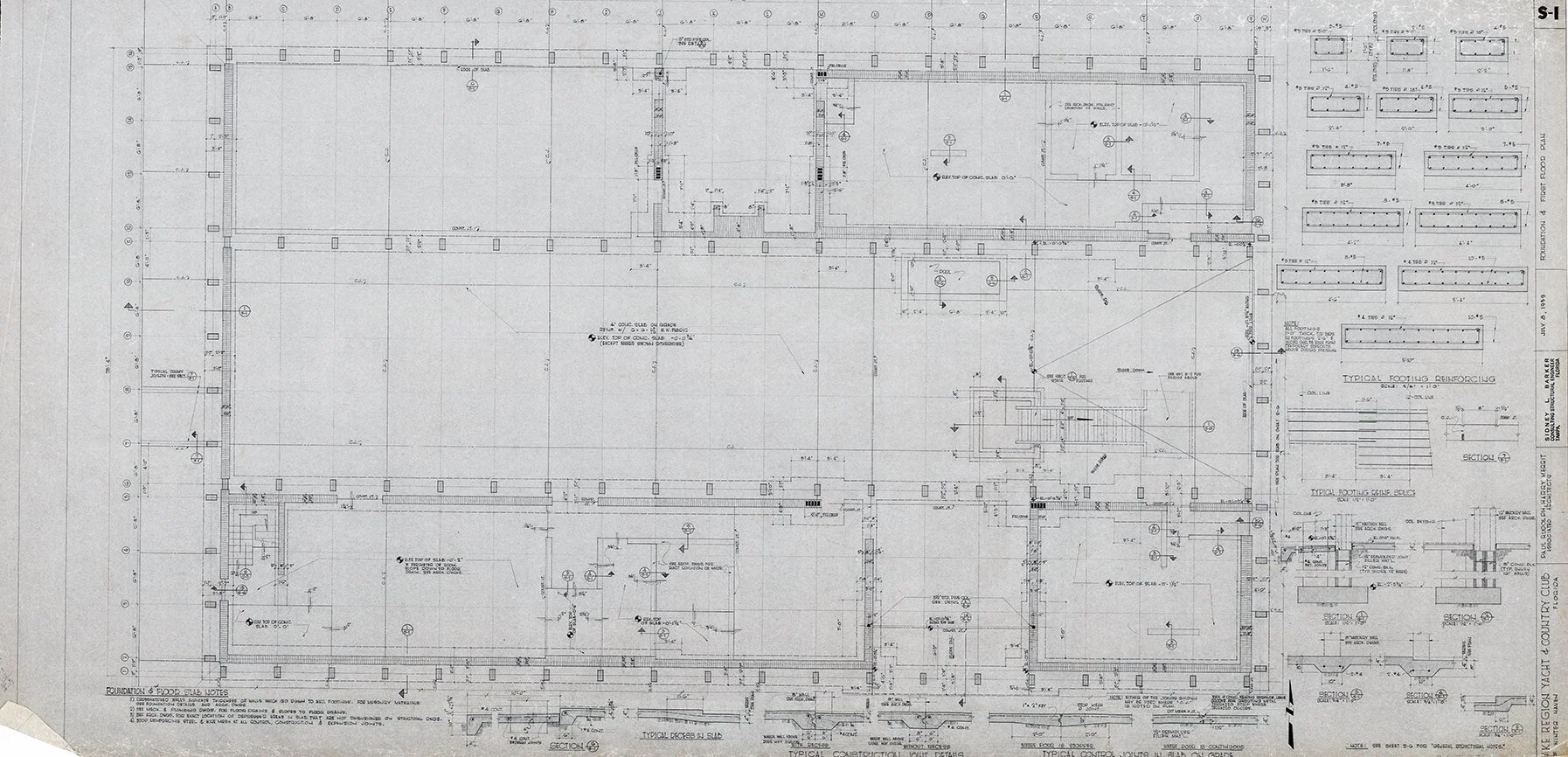
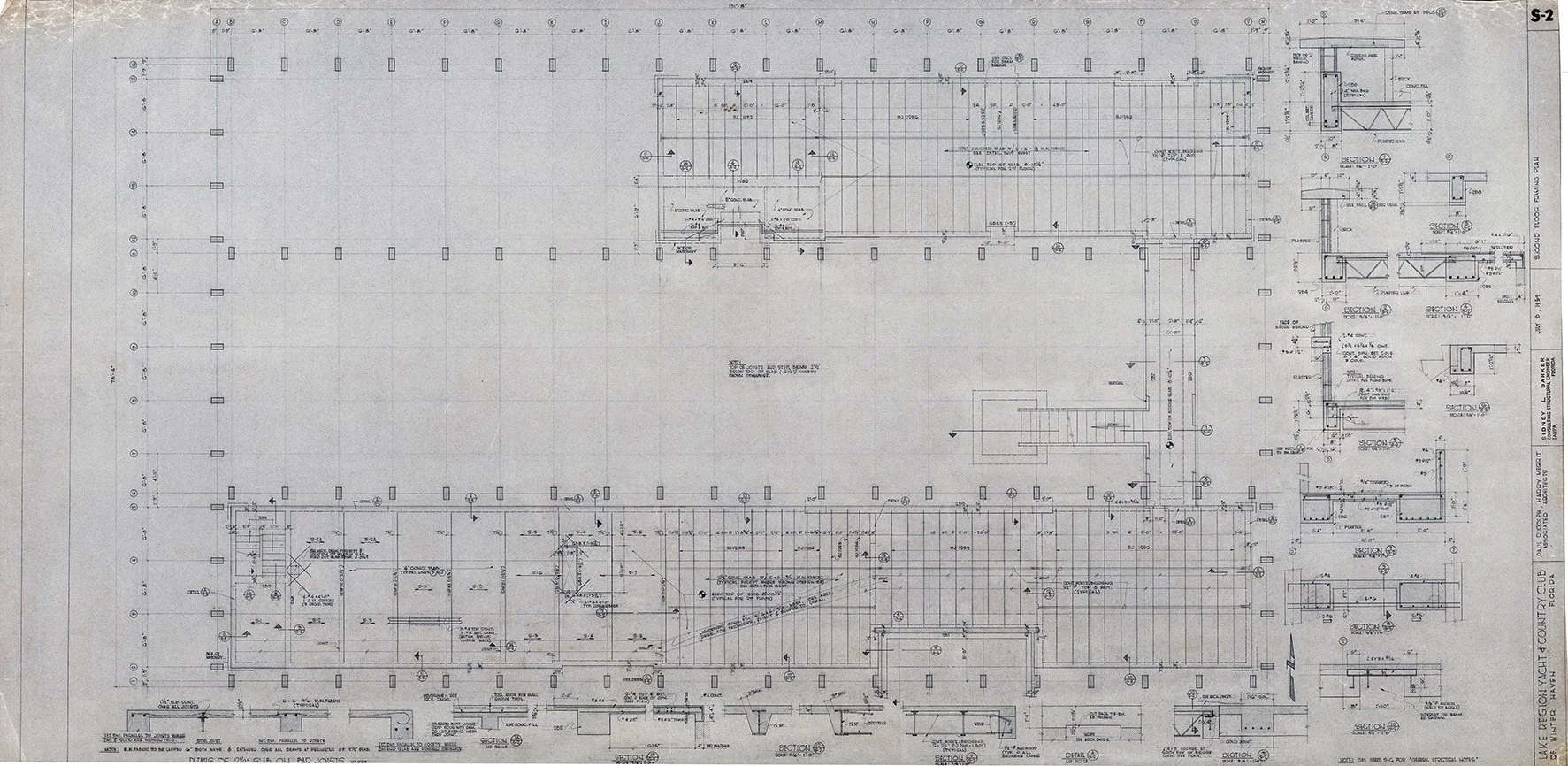
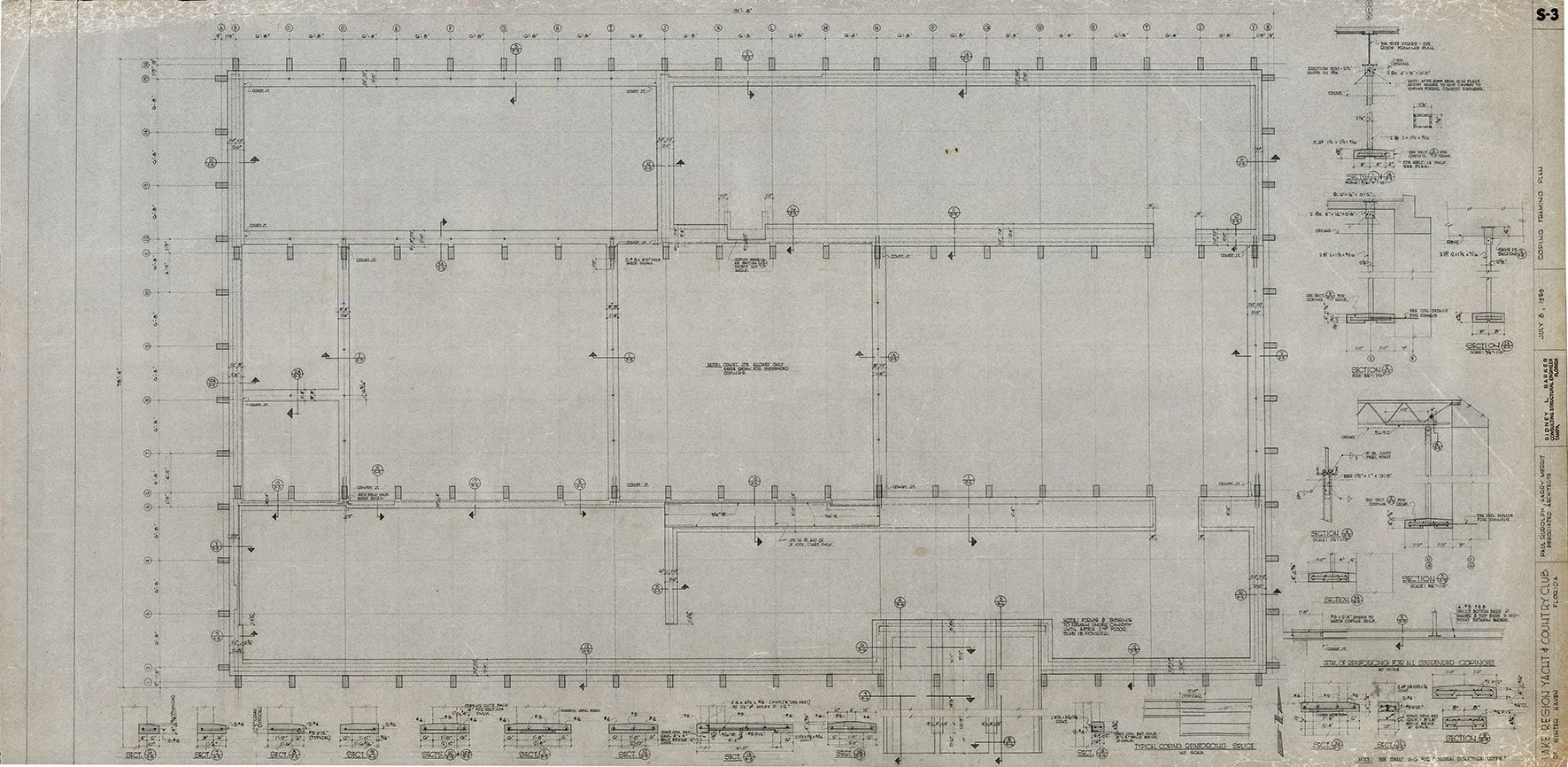
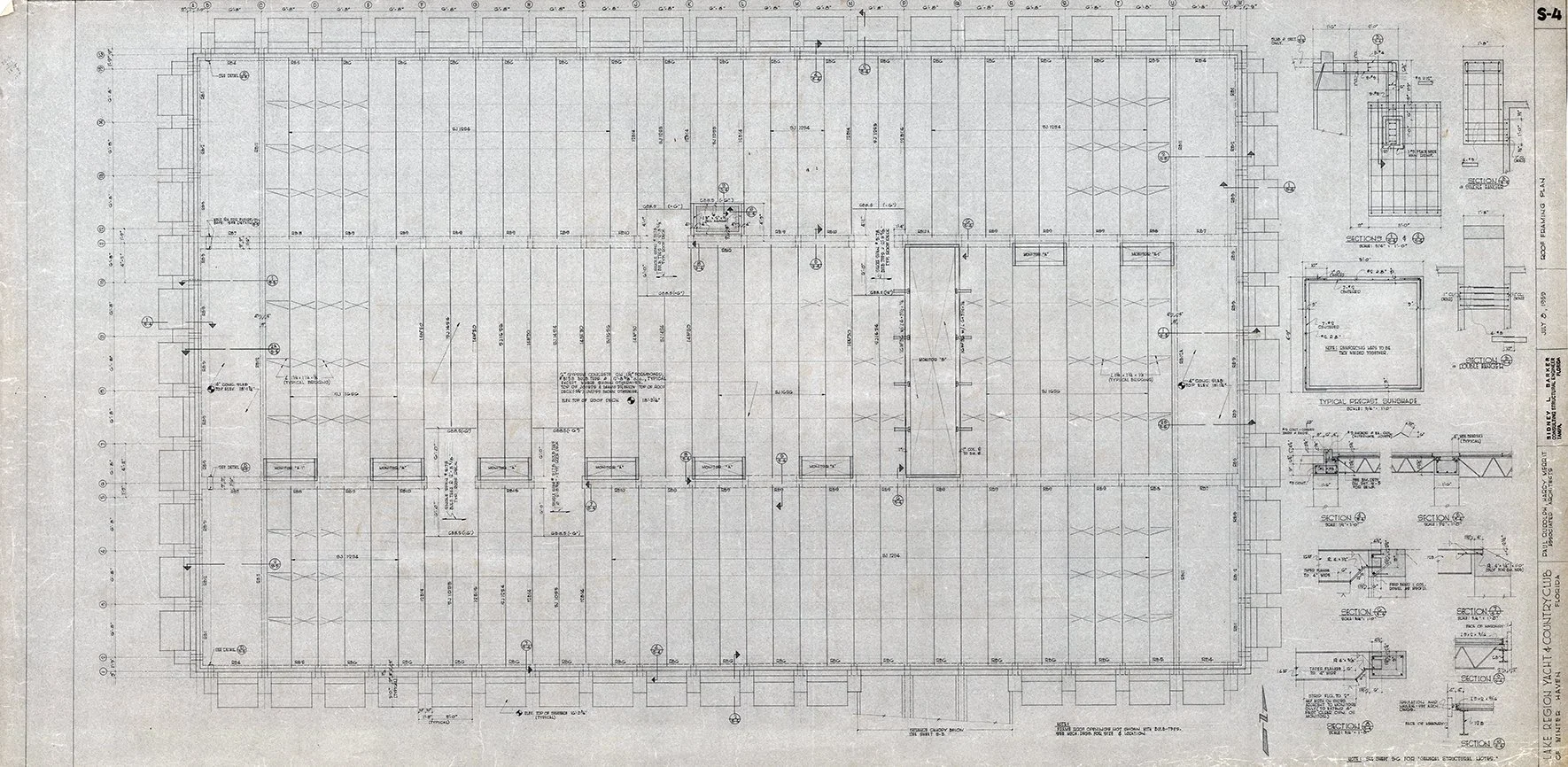
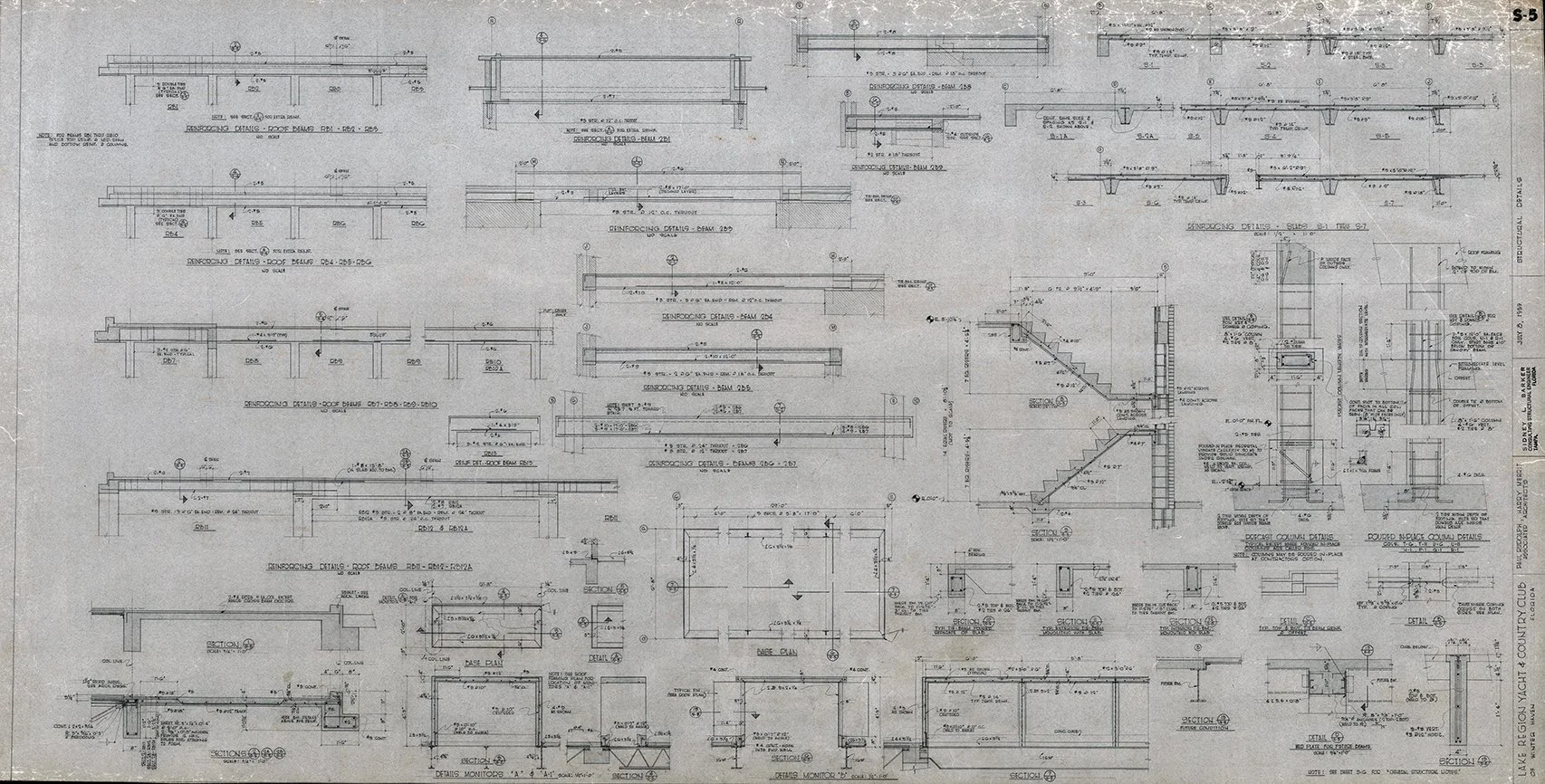
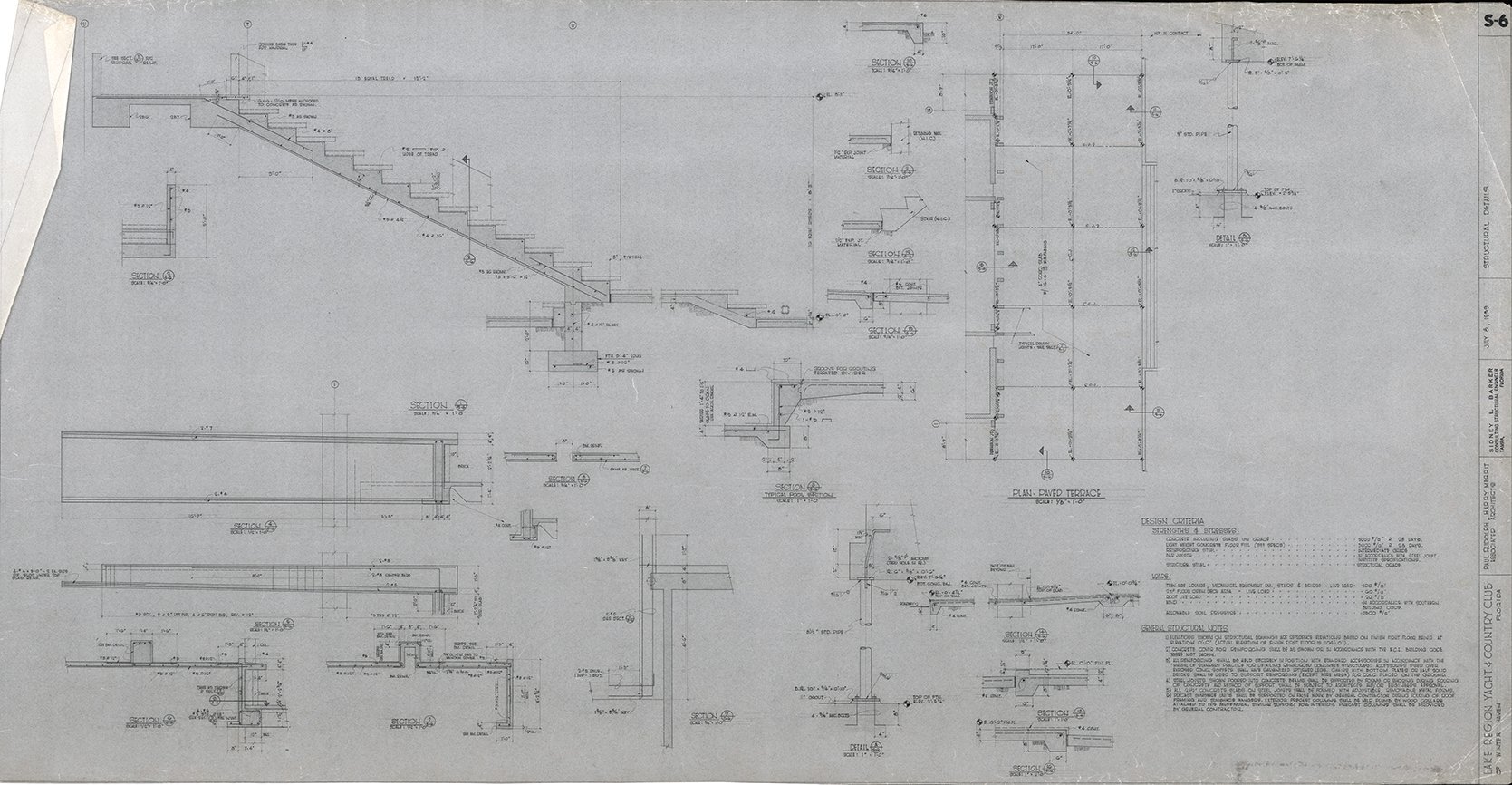
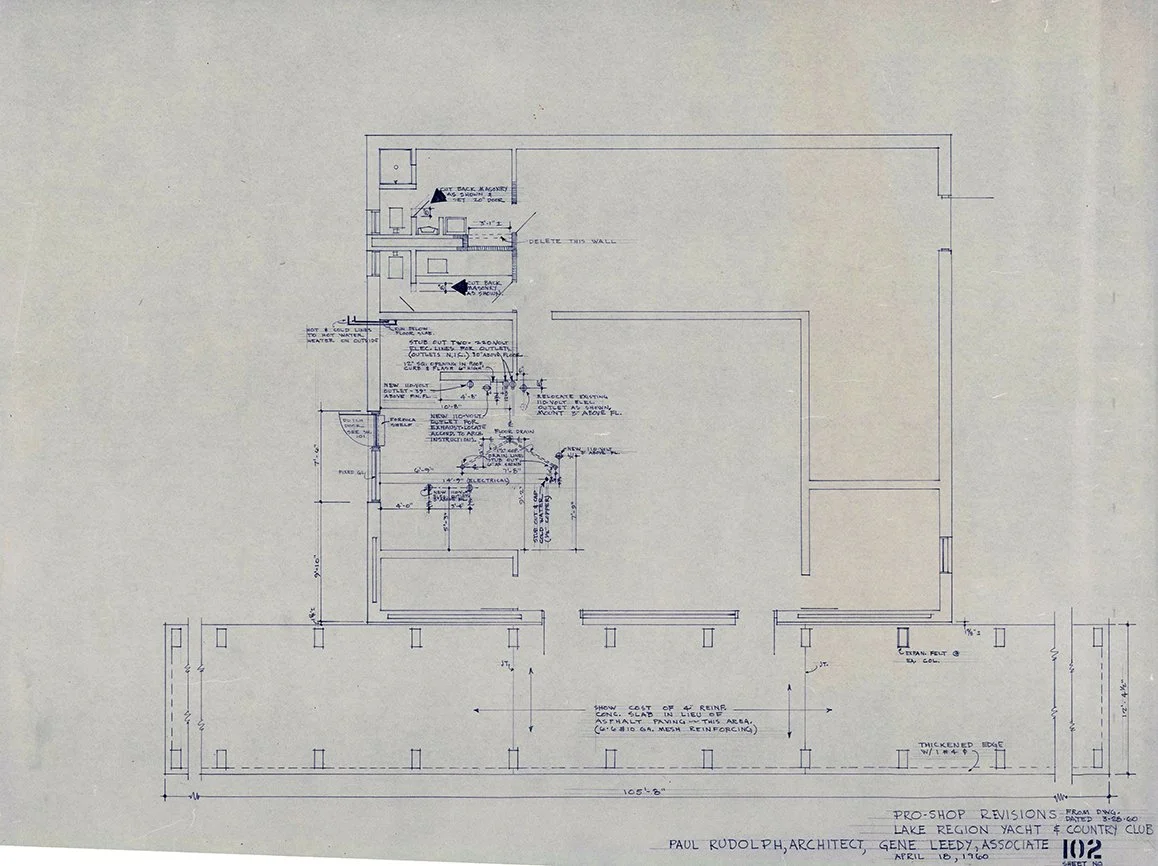
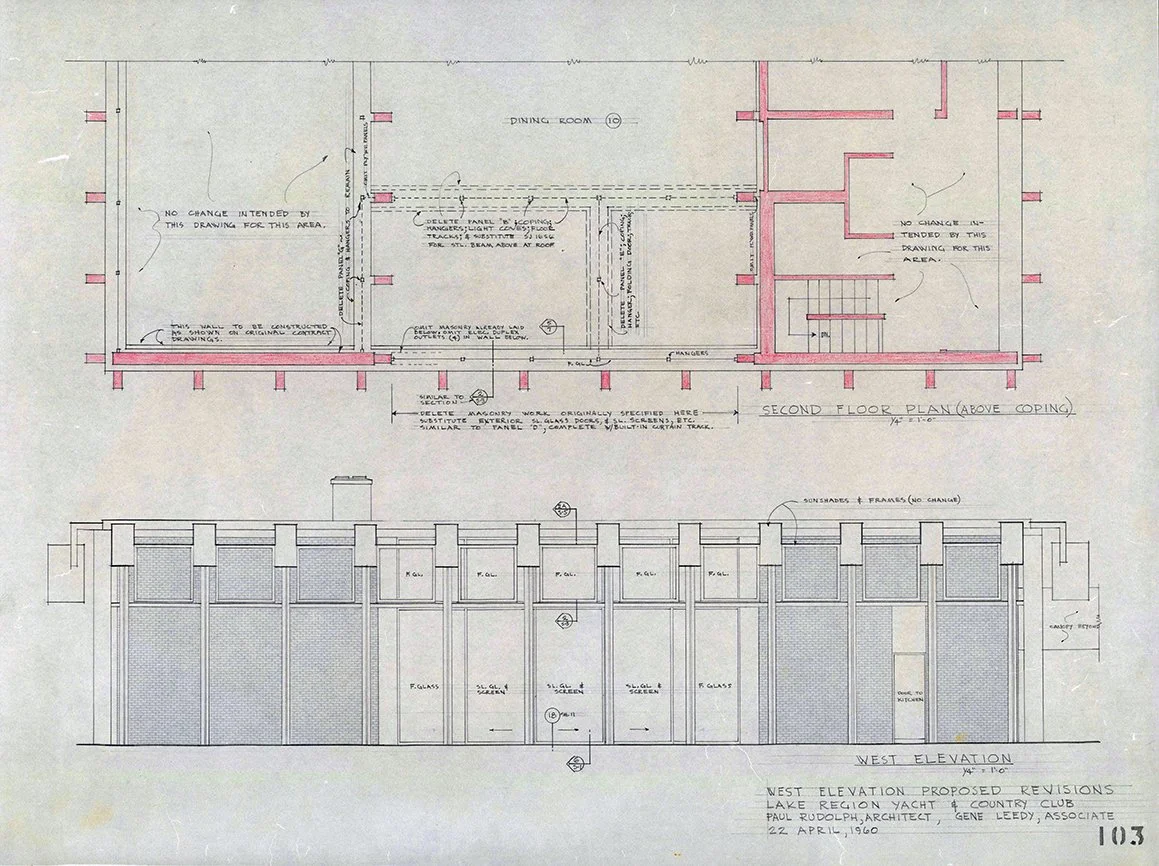
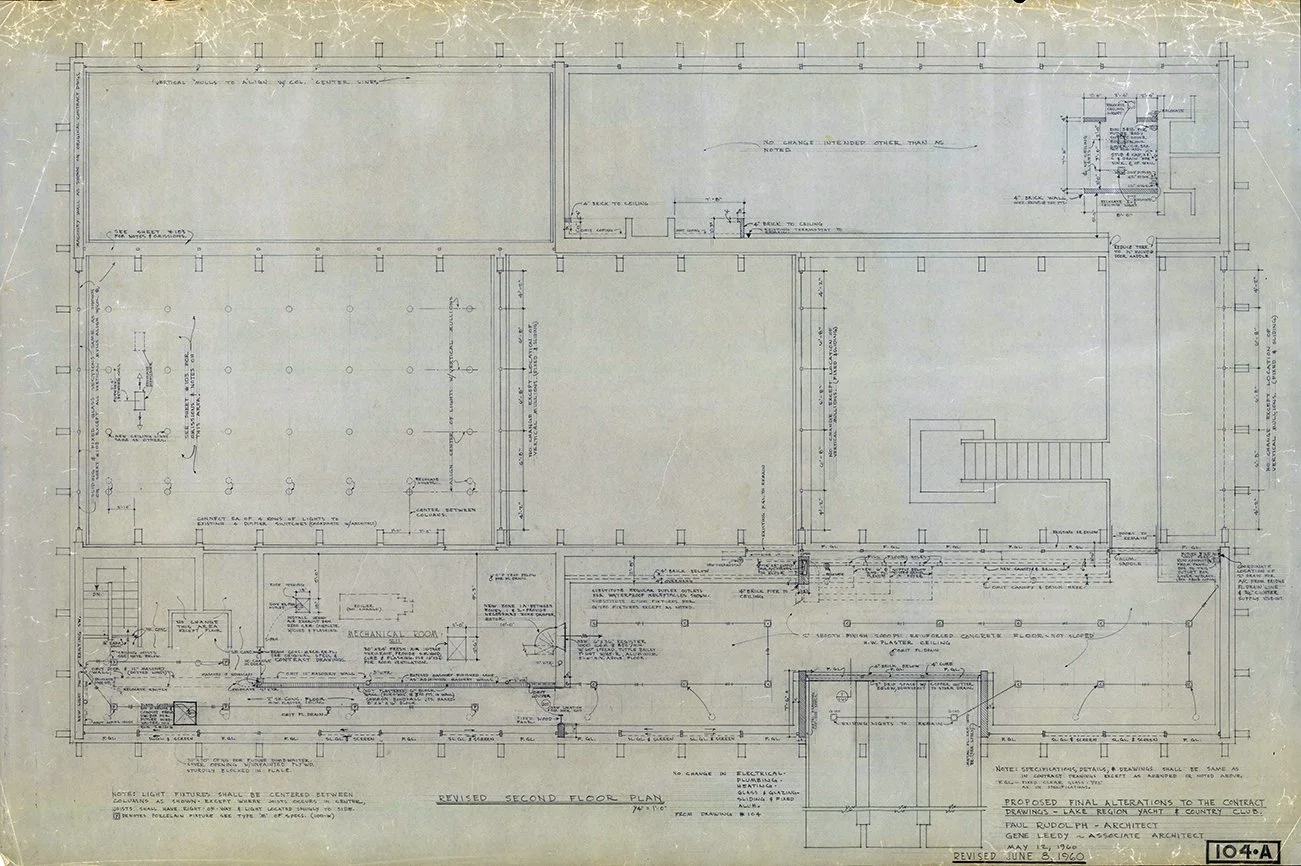
DRAWINGS - Shop Drawings

PHOTOS - Project Model

PHOTOS - During Construction

PHOTOS - Completed Project
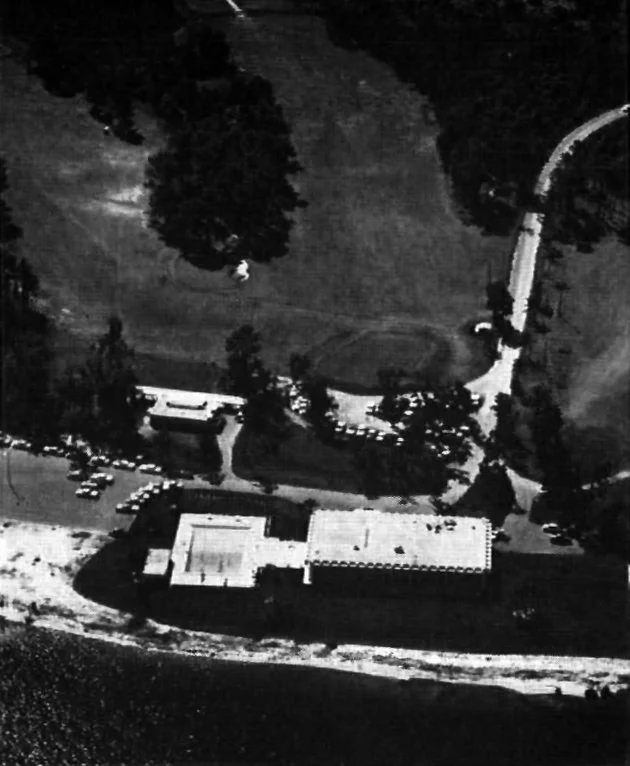
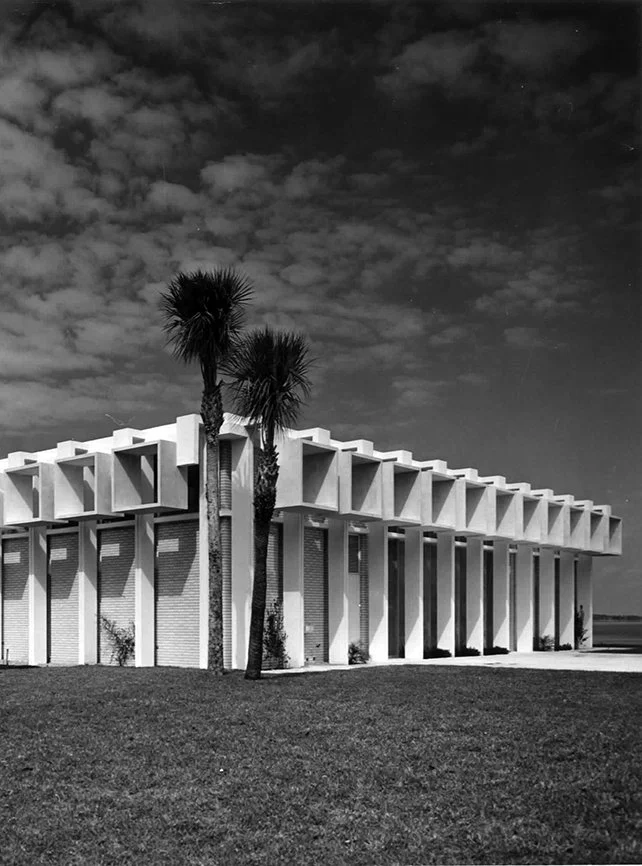
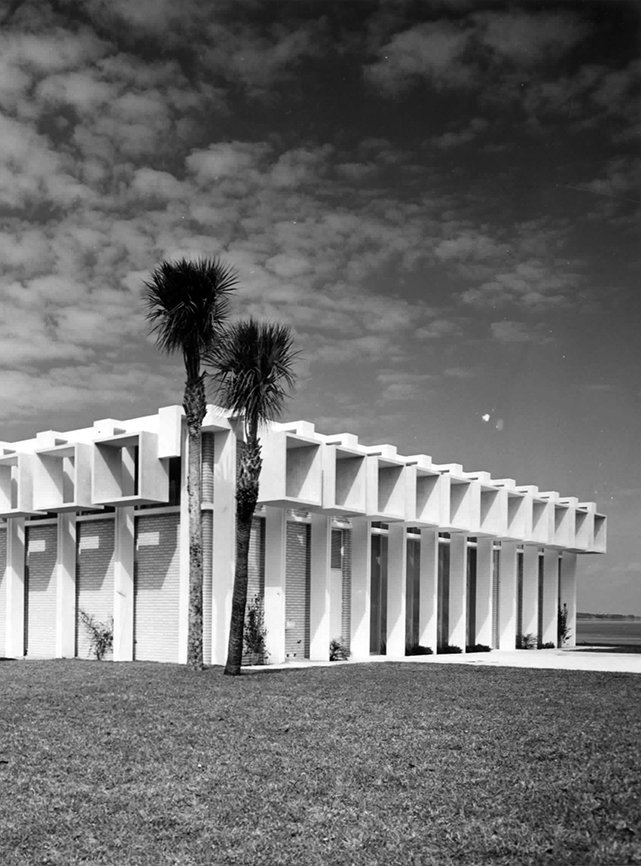
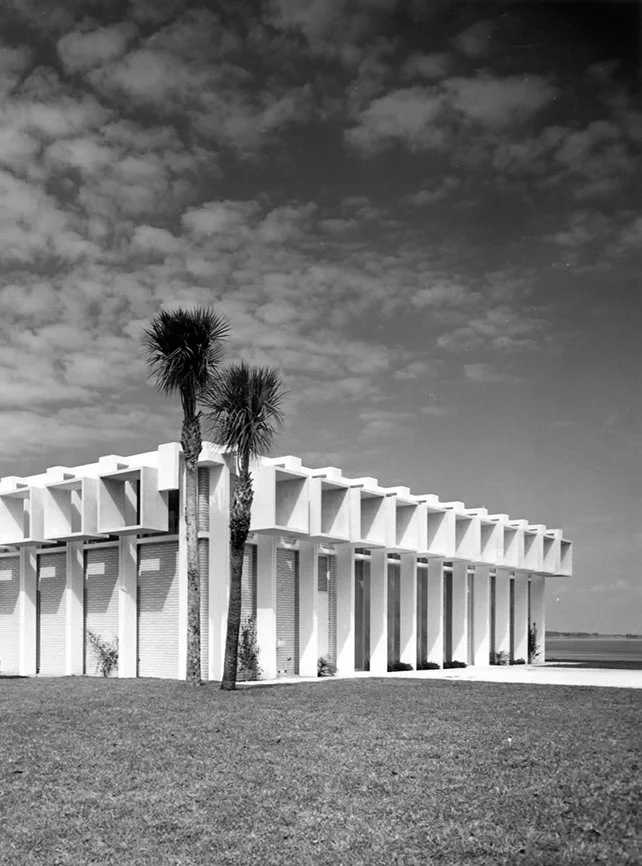
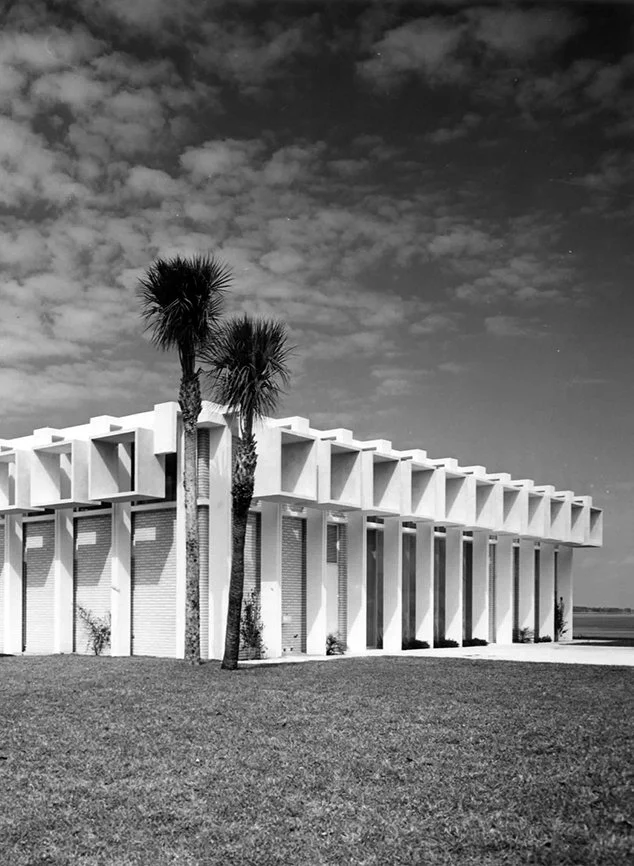
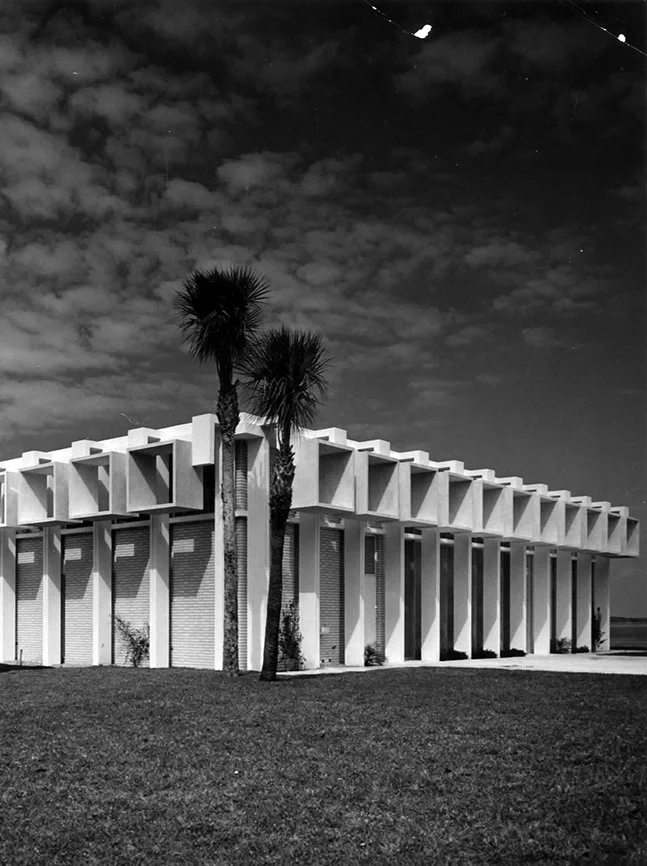
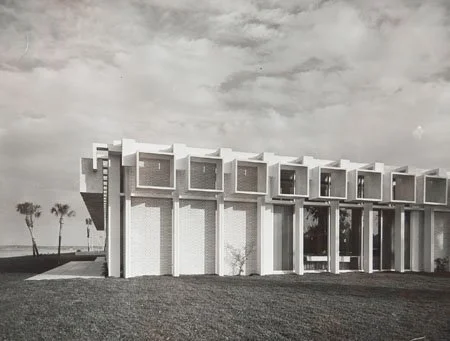
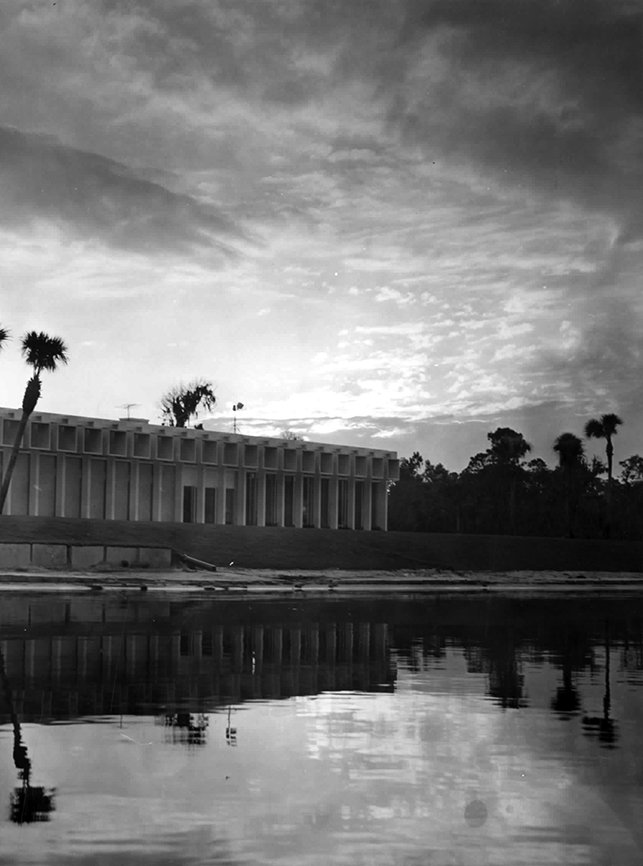
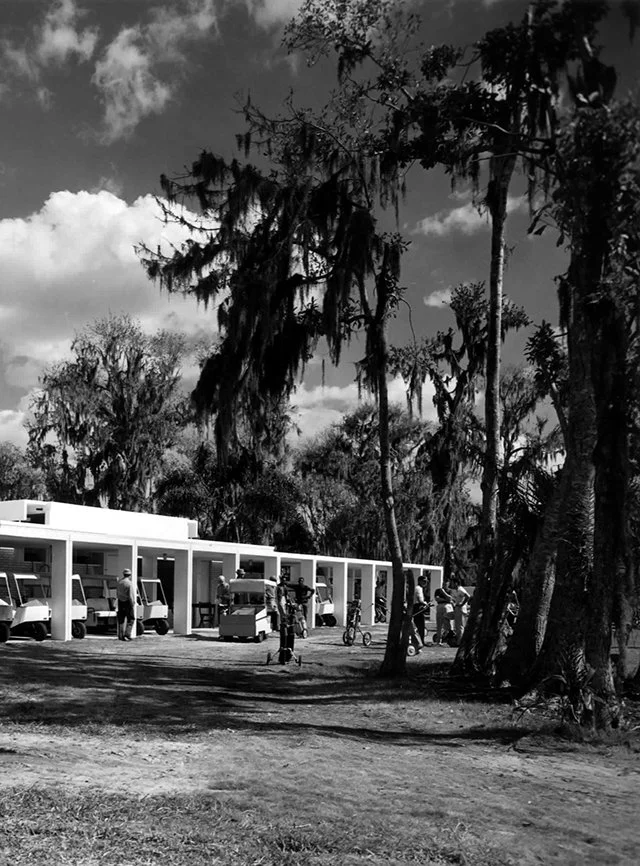
PHOTOS - Current Conditions
LINKS FOR MORE INFORMATION
The Country Club of Winter Haven website
RELATED DOWNLOADS
PROJECT BIBLIOGRAPHY
Art Maier. “Lake Region Country Club Opens.” The Ledger [Lakeland, Florida], 23 Dec. 1960.
Giulia Veronesi. “Paul Rudolph.” Zodiac, no. 8, 1961.
Merlisa Lawrence Corbett. “The Unexpected Place You Need to Visit to See Stunning Mid-Century Modern Architecture.” Aprtment Therapy, 24 Oct. 2022, https://www.apartmenttherapy.com/le-creuset-alpine-outdoor-collection-summer-gifts-37546715.
“Modern Yacht and Country Club Is Opened Near Winter Haven.” The Tampa Tribune [Tampa, Florida], 20 Dec. 1960.
“New Winter Haven Country Club Planning Building.” The Tampa Tribune, 9 Nov. 1958.
“Pinkley Builds Lake Region Country Club.” The Ledger, 5 Feb. 1961, p. 32.
Ryan E. Little. “Lake Region Yacht & Country Club to Close, Could Be Put on Auction Block.” The Ledger, 6 Apr. 2013, https://www.theledger.com/story/news/2013/04/07/lake-region-yacht-country-club/8117225007/.
“Sarasota Golf.” Sarasota Herald Tribune, February 19, 1961. p. 44
Sheeny White. “Building to Begin at Country Club.” Orlando Sentinel [Orlando, Florida], 21 Sept. 1959.
———. “Lake Region Club Construction Under Way.” Orlando Sentinel [Orlando, Florida], 13 Jan. 1960.
“Yacht and Country Club.” Progressive Architecture, no. 43, July 1962.